How Much Electricity Does an AC Use?
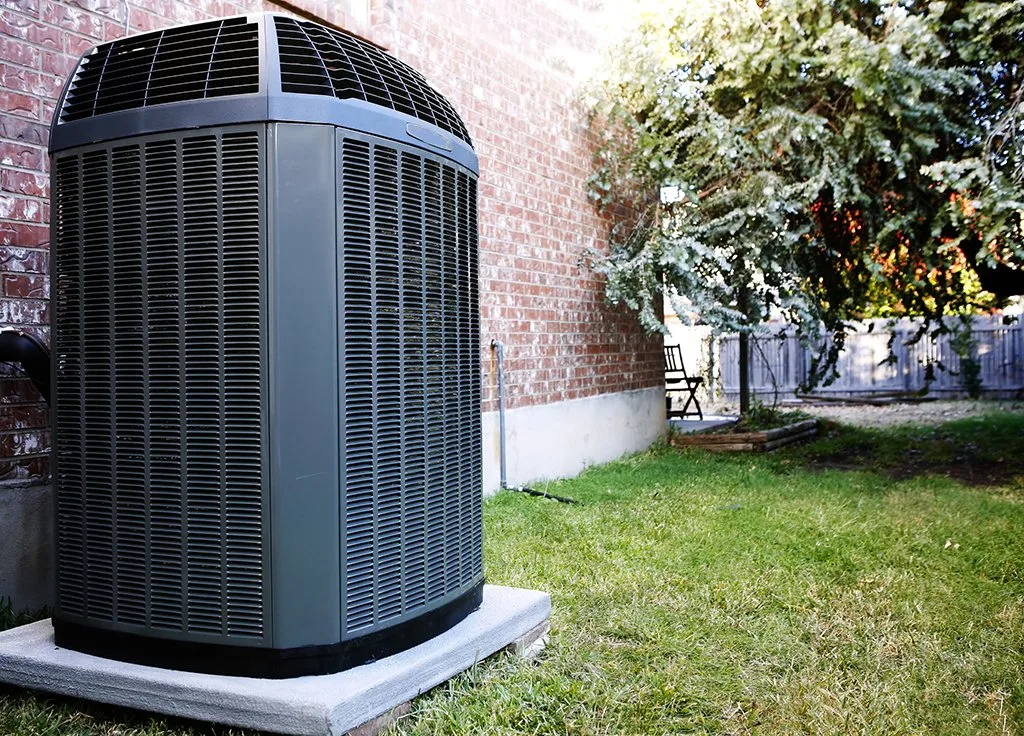
Image source: Bing (Web (fair-use with source credit))
So, you're curious about how much electricity your air conditioner actually uses? It's a question that pops up a lot, especially when you see those summer bills climb. The short answer is that it really varies, but understanding the factors involved can help you manage your usage and keep costs in check.
The amount of power your AC draws depends on its size, its efficiency rating (like SEER), and even the weather outside. Manufacturer specifications indicate that a typical central AC unit can consume anywhere from 1,500 to over 5,000 watts while running. We'll break down exactly what that means for your home.
The Big Picture: What Controls Your AC's Power Draw
The amount of electricity your air conditioner uses isn't a single, fixed number. Think of it as a spectrum, with many different factors influencing where your AC lands on that spectrum. The primary goal is to cool your home, but how hard it has to work to achieve that temperature is the key to understanding its power consumption.
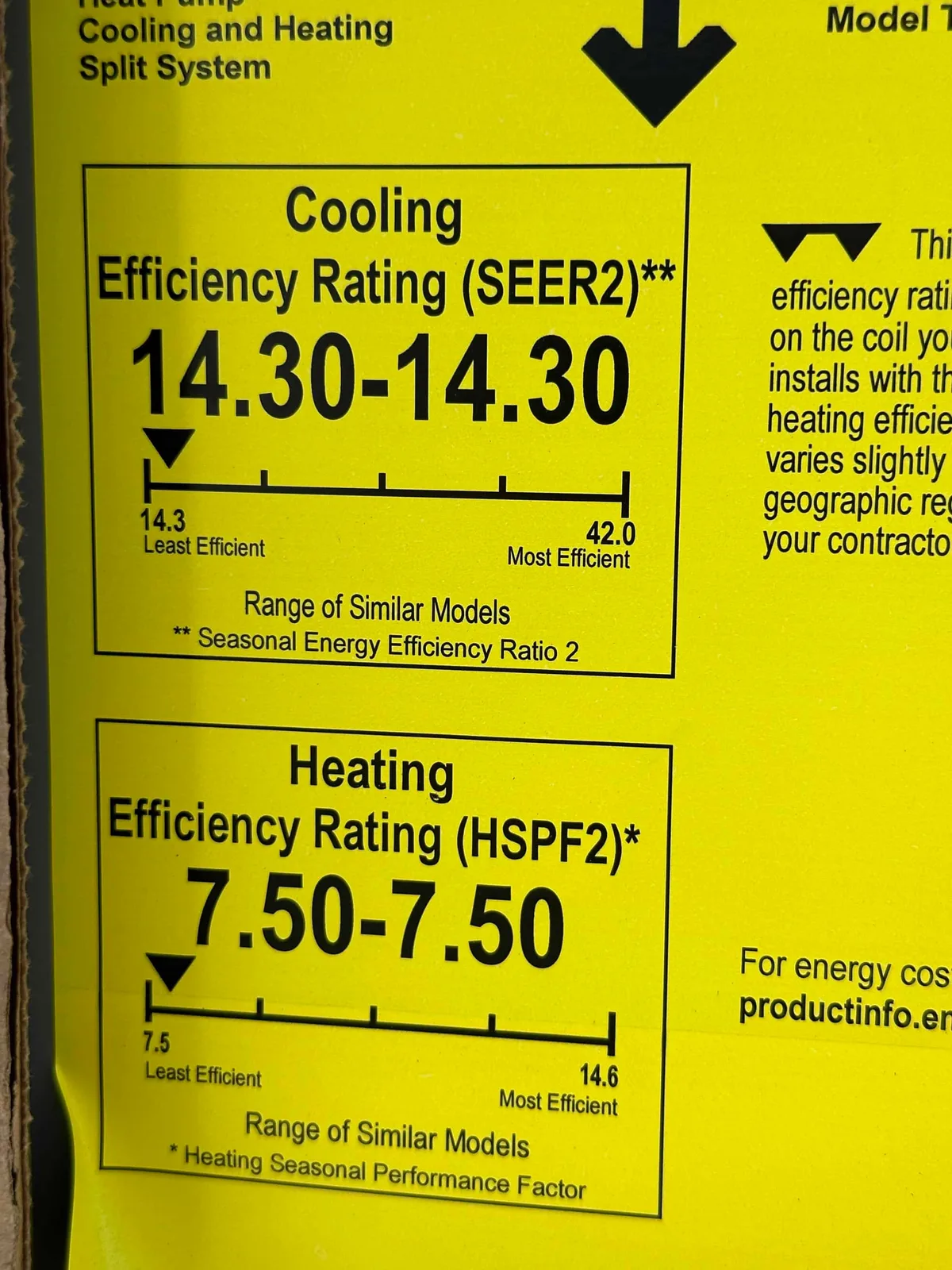
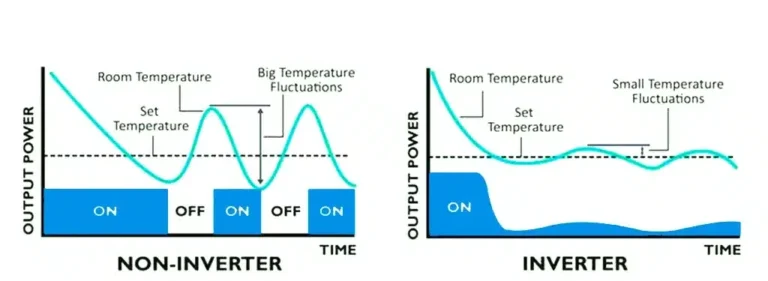
Image source: Web (Bing) / unicolorado.com (Web image (fair-use with source credit))
Several major elements come into play, and understanding them is the first step to managing your AC's energy footprint. These include the specifications of the unit itself, the environment it operates within, and even simple choices you make about its settings. Per tests from the U.S.
Department of Energy, understanding these variables is crucial for homeowners.
Finding Your AC's Wattage: The Starting Point
The most direct way to understand your AC's potential electricity use is to find its wattage. This tells you the rate at which it consumes power when it's actively cooling. You'll typically find this information listed in watts (W).
Reading the Label and Manual
Most air conditioning units have a data plate or label attached to them, usually on the side or the back. This label is a treasure trove of technical specifications. Look for a line item that states "Rated Power," "Watts," "W," or sometimes "Amps" and "Volts." If you have the unit's original owner's manual, that's another excellent place to find these details.
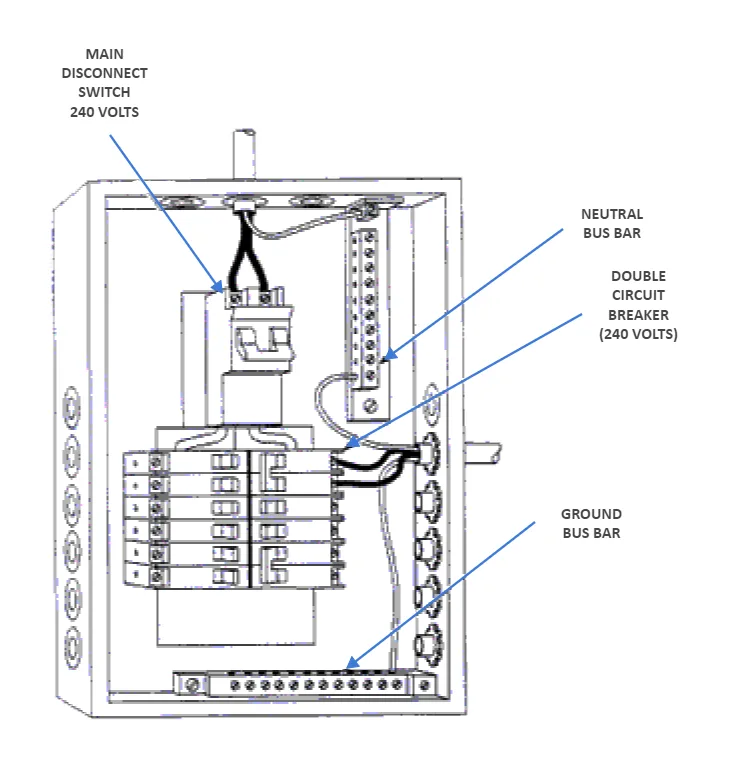
Image source: Web (Bing) / edrawmax.com (Web image (fair-use with source credit))
What Running Watts Mean
You might see different wattage figures on the label, including "starting watts" (the surge of power needed to kick the compressor on) and "running watts" (the continuous power draw once it's operating). For understanding typical electricity consumption, you'll want to focus on the running watts. These numbers can vary significantly; for example, a window unit might run around 500 to 1,500 watts, while a central air conditioner could range from 1,500 to 5,000 watts or even higher for larger systems.
Estimating Your AC's Daily Run Time
Once you know how many watts your AC uses, the next critical piece of the puzzle is figuring out how many hours per day it actually runs. This isn't a number you can usually find on the unit itself; it's something you'll need to estimate based on your usage and environmental factors. This is where the "decision tree" aspect really comes into play for your home.
Honesty About Usage Habits
Be realistic about how often you use your air conditioner. Do you set it to a consistent, cool temperature and leave it on all day? Or do you tend to turn it off when you leave the house, come home to a warm environment, and then crank it down?
Do you only use it during the absolute hottest parts of the day, or do you run it even on milder summer evenings? Your habits directly translate into run hours.
How Climate and Home Play a Role
The external environment and your home's construction heavily influence how long your AC needs to run. If you live in a region with extremely hot and humid summers, your AC will inevitably be working harder and longer to maintain a comfortable temperature compared to someone in a more temperate climate. Similarly, how well your home is insulated, the age and condition of your windows and doors, and the amount of direct sunlight your home receives all contribute to the cooling load, and thus, the AC's runtime.
Calculating Your AC's kWh and Cost
Now that you have a handle on your AC's wattage and estimated daily run time, you can calculate its actual electricity consumption in kilowatt-hours (kWh), which is the unit your utility company uses for billing. This calculation transforms abstract numbers into concrete costs.
Breaking Down the Math
To find your daily kWh usage, you'll use a simple formula:
- Convert Watts to Kilowatts: Divide the AC's running watts by 1,000. (Watts / 1000 = Kilowatts).
- Calculate Daily kWh: Multiply the result by the estimated hours your AC runs per day. (Kilowatts * Hours Used = kWh).
For instance, if your central AC unit has running watts of 3,000, that's 3 kW. If you estimate it runs for 10 hours a day during peak summer heat, your daily usage for that AC would be 3 kW * 10 hours = 30 kWh.
Turning kWh into Dollars and Cents
To estimate the cost, you need to know your electricity rate. This is usually found on your monthly utility bill, stated as a price per kWh. Multiply your daily kWh usage by your electricity rate to get the daily cost.
For example, if your rate is $0.16 per kWh and your AC uses 30 kWh per day, that's 30 kWh * $0.16/kWh = $4.80 per day. Multiply this by the number of days in the month to get your monthly AC electricity expense. As of 2026, electricity rates can fluctuate, so checking your latest bill is key.
Smart Ways to Cut Your AC's Electricity Use
Knowing your AC's consumption is great, but the real goal is usually to reduce it. Fortunately, there are many effective strategies to make your air conditioner more energy-efficient without sacrificing comfort. These range from simple habit changes to minor home improvements.
Thermostat Tactics
Your thermostat is the command center for your AC. Setting it just a few degrees higher can lead to significant energy savings. Using a programmable or smart thermostat is highly recommended.
You can set these devices to automatically raise the temperature when you're asleep or away from home, and then cool things down before you need it. This avoids unnecessary cooling and prevents the system from working overtime to recover from extreme heat.
Sealing Up Your Home
Air leaks are silent energy thieves. Gaps and cracks around windows, doors, electrical outlets, and where pipes or wires enter your home allow cool air to escape and hot, humid air to infiltrate. Using caulk and weatherstripping to seal these areas is a relatively inexpensive but highly effective way to reduce your AC's workload.
You want your home to act like a well-sealed thermos, keeping the cool air inside.
Maintenance and Upgrades
Regular maintenance is crucial for AC efficiency. This includes changing or cleaning your air filters monthly during the cooling season, as a clogged filter restricts airflow and makes the unit work harder. Also, consider professional tune-ups annually.
If your AC unit is more than 10-15 years old, it's likely significantly less efficient than newer models. Upgrading to a high SEER-rated unit, while an upfront cost, can offer substantial long-term savings on electricity bills.
Common AC Energy Use Mistakes to Avoid
Making a few common missteps can lead to your air conditioner using much more electricity than it needs to. One frequent error is setting the thermostat much colder than necessary. For instance, setting it to 65°F when 75°F would be comfortable doesn't cool your home faster; it just makes the AC run longer, consuming significantly more power.
Another mistake is neglecting regular maintenance. Think of your AC like a car; it needs tune-ups. Dirty air filters, blocked vents, or unserviced components force the unit to work harder.
This inefficiency translates directly into higher energy bills and can even shorten the lifespan of your appliance. Failing to seal obvious air leaks around windows and doors is also a huge energy drain that many people overlook.
Why Using Fans Matters
Many people underestimate the power of fans in conjunction with their AC. A ceiling fan or even a portable fan can create a "wind chill" effect, making the air feel several degrees cooler than it actually is. This means you can often raise your thermostat setting by 3-4°F, leading to a 10-15% reduction in cooling energy use, and the fan itself uses far less electricity than the AC.
Don't just rely on the AC to do all the heavy lifting.
The "Set It and Forget It" Trap
While convenient, leaving your thermostat at a constant low temperature when you're away can be a major energy waster. If no one is home to appreciate the arctic chill, that electricity is being spent for nothing. Smart thermostats are designed precisely to combat this by allowing you to program different temperature settings for different times of day, ensuring comfort when you're home and savings when you're not.
FAQs About AC Electricity Consumption
How much electricity does a window AC unit use compared to a central AC?
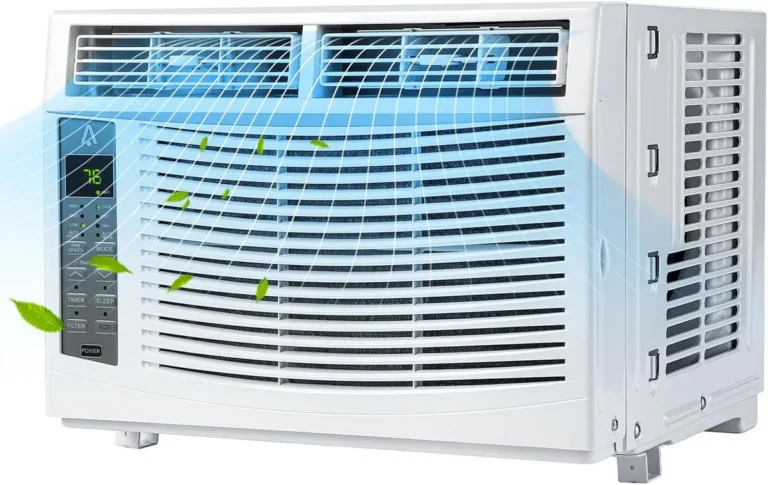
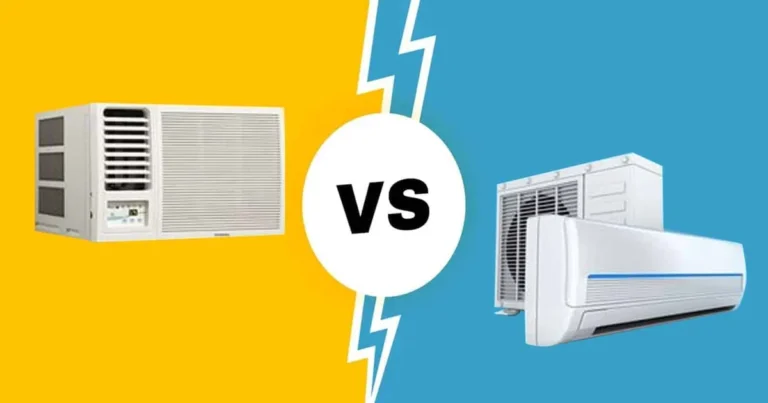
Window AC units generally use less electricity because they are designed to cool smaller, individual spaces. They typically range from 500 to 1,500 watts. Central AC systems, on the other hand, are designed to cool an entire house and can range from 1,500 to 5,000 watts or more, depending on their size and power.
Is it cheaper to run the AC all day at a low setting or turn it on and off?
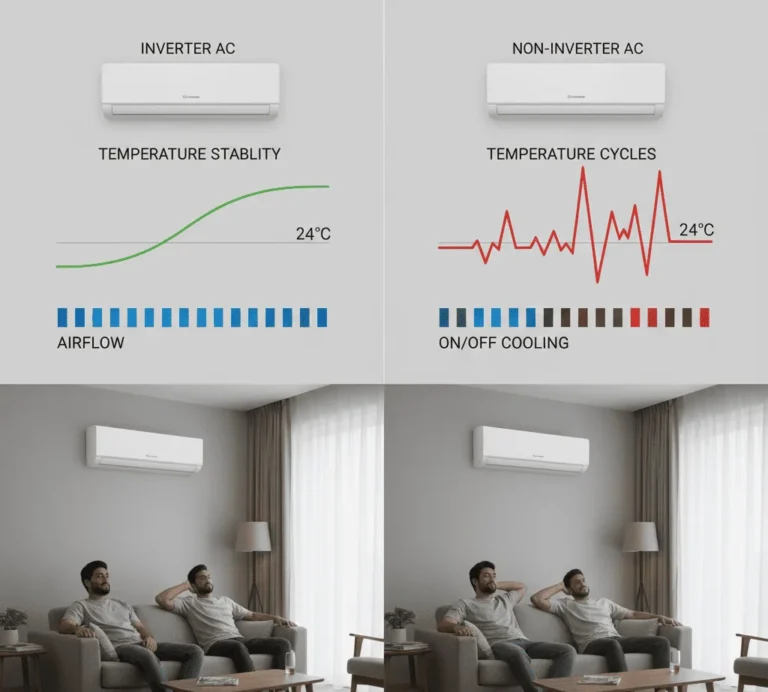
In most situations, it's more energy-efficient to keep your AC set at a moderate, consistent temperature rather than turning it completely off and then trying to cool a very hot house from scratch. Modern AC units are designed to maintain temperature efficiently. However, using a programmable or smart thermostat to raise the temperature significantly when you're away is often more cost-effective than leaving it set to a low, constant temperature.
Can I use a portable AC unit to save electricity?
Portable AC units can be more energy-efficient than larger central systems if you only need to cool a single room, as they target specific areas. However, their efficiency can vary, and some models can still consume a significant amount of power, often between 900 to 1,500 watts. Always check the unit's wattage and its Energy Star rating for efficiency.
How does humidity affect my AC's electricity use?
Humidity makes the air feel hotter, forcing your AC to work harder not only to lower the temperature but also to remove moisture from the air. This de-humidification process requires extra energy. In very humid climates, your AC might run more often and consume more electricity simply to achieve the same perceived level of coolness compared to a drier environment.
Your Decision Guide: Making Sense of AC Power Use
Deciding how to manage your AC's electricity use comes down to understanding a few key variables and making informed choices. If your primary concern is the immediate electricity bill, focus on thermostat settings and using fans. Raising the thermostat by just 2-3 degrees Fahrenheit can often save you 10-15% on cooling costs.
If you're looking at long-term savings and comfort, consider the efficiency of your unit and your home's insulation. A higher SEER-rated AC, combined with a well-sealed and insulated home, will use significantly less electricity over time. Evaluate your current AC's age and efficiency; if it's over a decade old, an upgrade might pay for itself through energy savings.
One Comment