How Often Should AC Filters Be Cleaned?
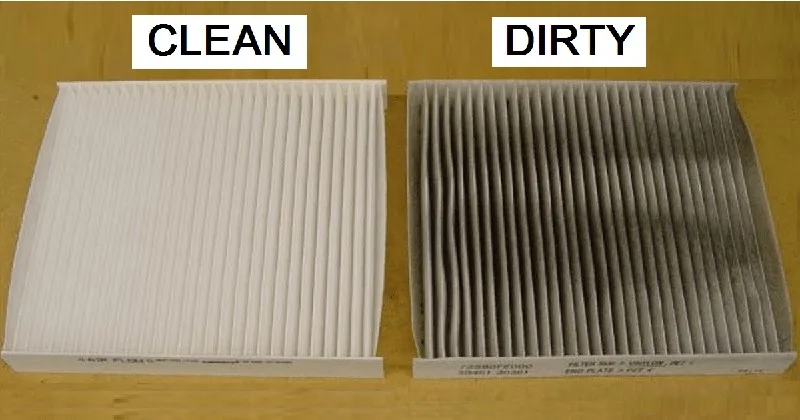
Image source: Bing (Web (fair-use with source credit))
How Often Should AC Filters Be Cleaned? It Depends.
You're probably wondering how often you should be cleaning your AC filters. It's a common question, and the truth is, there isn't one single answer that fits everyone. Your specific home environment and how you use your HVAC system play a huge role in determining the right schedule.
Getting this right can make a big difference in your home's air quality and your HVAC system's health. Manufacturer specifications often highlight that neglecting filter maintenance can lead to reduced airflow, impacting system efficiency. Let's break down what factors influence your filter cleaning routine.
Quick Answer
The exact frequency for cleaning AC filters varies widely, but a general guideline is every 1-3 months for standard disposable filters and monthly for reusable ones. However, factors like owning pets, dealing with allergies, or living in a dusty environment can require cleaning as often as every two weeks. Always inspect your filter monthly; if it looks dirty, it's time to clean or replace it.
Your AC Filter's Job: Cleaner Air for Your Home
Think of your AC filter as the gatekeeper for the air circulating throughout your home. Its primary mission is to trap all sorts of unwanted particles, dust, pollen, pet dander, mold spores, and even some bacteria, before they can get recirculated by your heating, ventilation, and air conditioning (HVAC) system. This simple component is vital for maintaining good indoor air quality, which directly affects your health and comfort.
Why Filter Cleaning Matters: Beyond Just Dust
Those trapped particles can become breeding grounds for mold and bacteria if left unchecked, especially in humid conditions. Cleaning or replacing your filter regularly is one of the most cost-effective ways to ensure your home's air is as clean as possible and to prevent more serious issues down the line.
Dirty Filters Are Making Your HVAC Work Harder
When your AC filter gets clogged with debris, it restricts the airflow going into your HVAC system. Imagine trying to breathe through a thick mask, it takes a lot more effort. Your HVAC system faces the same challenge.
This extra strain forces the system to work harder and longer to achieve the desired temperature, leading to increased energy consumption and wear and tear on its components.
When to Clean or Replace Your AC Filter: The Key Factors
Since there's no one-size-fits-all answer, we need to look at what makes your situation unique. Your household's specific circumstances will dictate how frequently you need to check and potentially clean or replace your air filter.
The Pet Factor: Fur and Dander Add Up Fast
If you share your home with furry friends, you're likely dealing with a constant supply of pet hair and dander. These microscopic skin flakes are a common allergen and can quickly clog up an AC filter. Pet owners should aim to inspect their filters at least once a month, and often need to clean or replace them every 30-60 days, sometimes even more frequently if they have multiple pets or long-haired breeds.
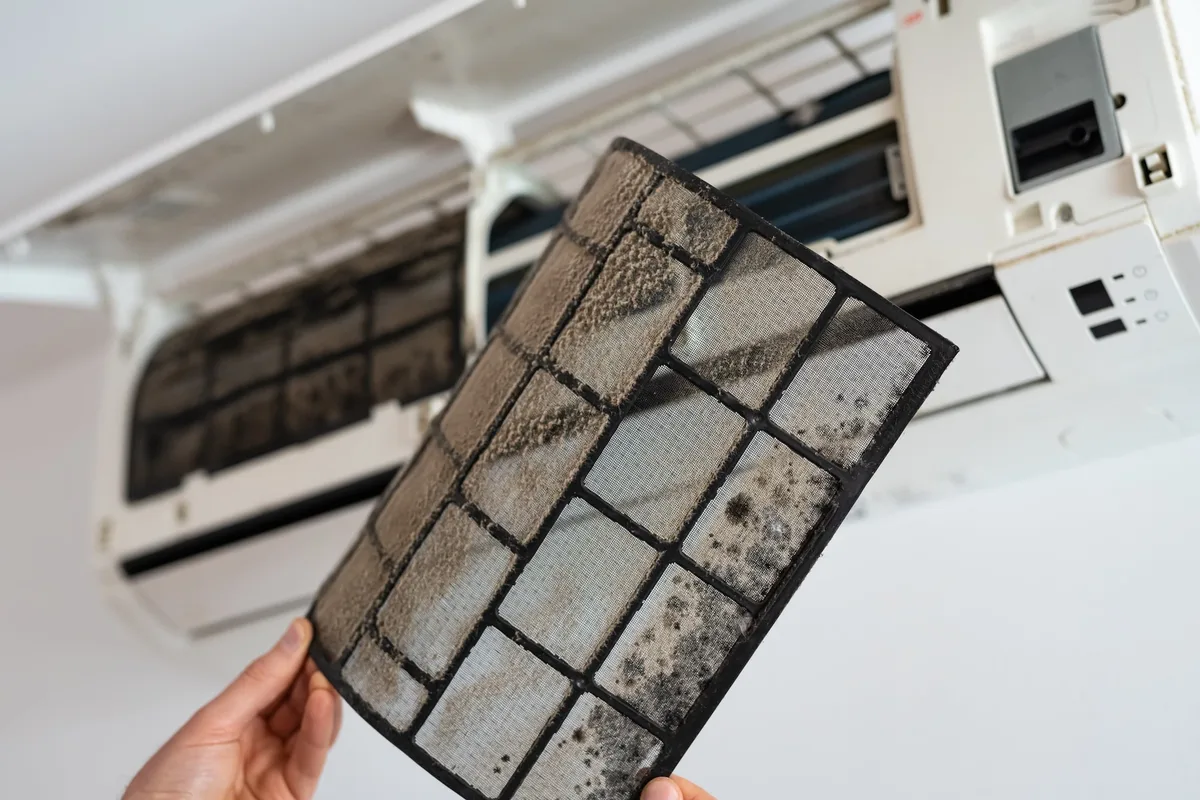
Image source: Bing (Web (fair-use with source credit))
Allergy Season and Pollen Counts: Breathe Easier
Living in an area with high pollen counts, especially during peak allergy seasons, means your filter is working overtime. Pollen, mold spores, and other airborne allergens can enter your home through open windows and doors, and your filter is the first line of defense. During these times, it's wise to inspect your filter more often, perhaps every 2-3 weeks, and be prepared to clean or replace it more frequently than usual to keep allergy symptoms at bay.
Smoking Indoors and Air Quality
Smoking inside your home introduces smoke particles, tar, and other combustion byproducts into the air. These are particularly fine particles that can quickly embed themselves in your AC filter, reducing its effectiveness and potentially leaving an odor. If you or someone in your household smokes indoors, plan on cleaning or replacing your filter at least monthly, and possibly every two weeks, to maintain better air quality and control lingering smells.
Home Environment: Dust, Dust Everywhere!
Your home's environment plays a significant role. If you live in a rural area with a lot of dust from unpaved roads, or if you're doing a lot of construction or renovation work, your filter will likely get dirty much faster. In exceptionally dusty conditions, you might need to check your filter every couple of weeks and clean or replace it more often than the standard recommendation.
A dirty filter can also contribute to increased dust buildup on your home's surfaces.
HVAC Usage: Constant Use vs. Seasonal
How much you use your HVAC system directly impacts how quickly your filter gets dirty. If your air conditioning or heating runs year-round, or for many hours each day, your filter will accumulate debris faster than in a home that only uses its HVAC system seasonally. For systems that are constantly in operation, checking the filter monthly is a good practice, with cleaning or replacement needed possibly every 30 days.
Decoding Your Filter: What to Look For
Not all AC filters are created equal, and understanding a few key specifications can help you choose the right one and know what to expect in terms of maintenance.
MERV Ratings Explained: A Quick Guide
MERV, which stands for Minimum Efficiency Reporting Value, is a standard used to rate the effectiveness of air filters. It measures how well a filter captures particles of different sizes. Ratings range from 1 to 20, with higher numbers indicating better filtration.
- MERV 1-4: Basic filtration, mainly captures larger particles like lint and dust bunnies. Often found in older systems.
- MERV 5-8: Good for general home use, capturing smaller particles like mold spores and pet dander. A common and effective range for most households.
- MERV 9-12: Captures finer particles like microscopic dust, auto emissions, and lead dust. Great for allergy sufferers.
- MERV 13-16: High-efficiency filters that can trap bacteria, viruses, and even finer particles. Often used in hospitals and cleanroom environments.
- MERV 17-20: True HEPA (High-Efficiency Particulate Air) filters. These are designed for the most critical applications, capturing 99.97% of particles 0.3 microns in size.
When choosing a filter, consider your HVAC system's capabilities, as higher MERV ratings can sometimes restrict airflow if the system isn't designed for them. Always check your HVAC manufacturer's recommendations before opting for a very high MERV rating.
Filter Thickness and Size: Does It Really Matter?
Filter thickness usually comes in 1-inch, 2-inch, and 4-inch varieties. Thicker filters generally have more surface area, meaning they can capture more particles before becoming clogged and may last longer. However, your HVAC system has a specific slot designed for a certain filter thickness; always use the size recommended by your system's manufacturer to ensure a proper fit and seal.
A filter that's too thick won't fit, and one that's too thin might allow air to bypass it, reducing its effectiveness.
Your AC Filter Cleaning Checklist: A Step-by-Step
Knowing when to clean or replace is one thing; actually doing it is another. Here’s a simple breakdown of how to handle your AC filter maintenance.
Inspecting Your Filter: The First Step
This is the easiest part. Most AC filters are located in a return air grille in your wall or ceiling, or in a slot near your furnace or air handler. Simply slide the filter out and hold it up to a light source.
If you can't see light through it, or if it's visibly coated in dust and debris, it's time for action.
Cleaning Washable Filters: The Best Way
If you have a washable filter, you're in luck, they can save you money over time.
- Remove: Gently slide the filter out of its housing.
- Vacuum: Use a soft brush attachment on your vacuum cleaner to remove loose dust and debris from both sides of the filter.
- Rinse: Take the filter outside and rinse it thoroughly with a garden hose, spraying from both sides. Avoid using high-pressure water, which can damage the filter material.
- Wash (Optional): For tougher grime, you can wash the filter with a mild detergent and water, then rinse. Manufacturer specifications often advise against harsh chemicals.
- Dry Completely: This is crucial. Let the filter air dry completely in the sun or a well-ventilated area for at least 24 hours. A damp filter can lead to mold growth inside your HVAC system. Never put a wet filter back into your system.
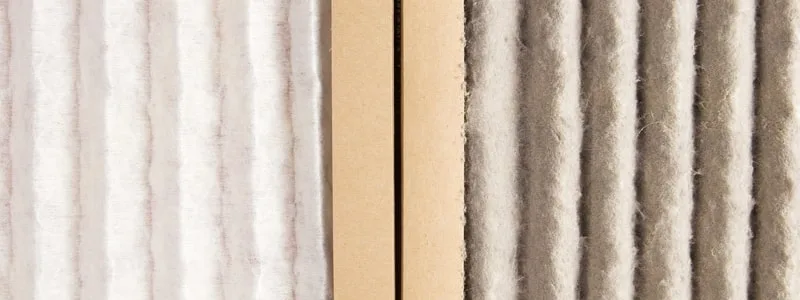
Image source: Bing (Web (fair-use with source credit))
When Replacement Is the Only Option
Disposable filters are convenient because you just toss them when they're done.
- Remove: Carefully take the dirty filter out of its slot.
- Dispose: Place the old filter in a trash bag and seal it.
- Install New: Note the airflow direction arrow on the new filter. Slide the new filter into the slot, ensuring the arrow points in the direction of airflow (usually towards the furnace or air handler).
Common AC Filter Mistakes That Cost You
We all make mistakes, but some common filter-related errors can end up costing you more in the long run, both in terms of repair bills and energy costs.
Ignoring the Schedule: The Biggest Slip-Up
This is the most common and detrimental mistake. People forget to check or replace their filters regularly. When a filter gets severely clogged, it restricts airflow so much that it can cause your HVAC system to overheat, freeze up (in the case of air conditioners), or even suffer damage to its motor or compressor.
This can lead to expensive repair calls or premature system failure.
Using the Wrong Filter Type
People sometimes opt for a filter that's too restrictive for their system (a very high MERV rating without checking compatibility) or one that's the wrong size. A filter that doesn't fit snugly can allow air and debris to bypass it entirely, rendering it useless. Always refer to your HVAC manufacturer’s recommendations for MERV ratings and filter dimensions to ensure optimal performance and prevent system strain.
Not Cleaning Them Thoroughly Enough
For washable filters, not allowing them to dry completely before reinstallation is a critical error. This moisture can encourage mold and mildew growth within your ductwork and HVAC components, which then gets distributed throughout your home. Additionally, simply rinsing a washable filter without a proper vacuuming or mild detergent wash might leave behind fine particles, reducing its filtering capacity for the next cycle.
FAQs About AC Filter Cleaning and Replacement
How often should AC filters be cleaned?
The frequency depends on your home, but generally, check monthly and clean or replace every 1-3 months for standard filters. Pet owners or those with allergies may need to check and clean much more often.
Can I just rinse my filter with water and put it back?
No. While rinsing is part of cleaning, you must ensure the filter is completely dry before reinstalling it. Damp filters can promote mold growth within your HVAC system.
What happens if I don't change my AC filter?
A clogged filter restricts airflow, forcing your HVAC system to work harder. This increases energy bills, can lead to system damage, and reduces indoor air quality, potentially worsening allergies and dust issues.
How do I know which MERV rating is right for my system?
Check your HVAC system's manual or the manufacturer's specifications. Using a filter with too high a MERV rating can restrict airflow and strain your system if it's not designed for it. A MERV 8-13 is suitable for most homes.
How do I tell which way the filter goes in?
Look for an arrow printed on the filter's frame. This arrow indicates the direction of airflow and should point towards the furnace or air handler unit in your system.
Making the Right Choice: Your Personal AC Filter Plan
Ultimately, the best way to determine how often you should clean or replace your AC filter is to establish a routine that works for your specific living situation. Start by inspecting your filter monthly. Pay close attention to how quickly it accumulates dust, pet hair, or other debris.
If you have pets, allergies, or live in a particularly dusty area, you'll likely need to clean or replace your filter more frequently than the general guideline of every 1-3 months. For most households, a MERV 8-13 filter is a good balance between filtration efficiency and system strain. Always refer to your HVAC system’s manual for specific recommendations on filter size and MERV rating to ensure optimal performance and longevity.
One Comment