How Do Solar Motion Lights Work: A Simple Guide
Solar motion lights use sunlight, a rechargeable battery, and a motion sensor to turn outdoor lighting on when movement is detected.
Solar motion lights look simple, but several small parts work together inside the case. During the day, the solar panel collects energy and stores it in a battery. At night, a motion sensor watches for changes in heat and movement, then signals the LED lamp to turn on. This guide explains how solar motion lights work, where they perform best, and how to get brighter, longer-lasting light from them.
What Are Solar Motion Lights?
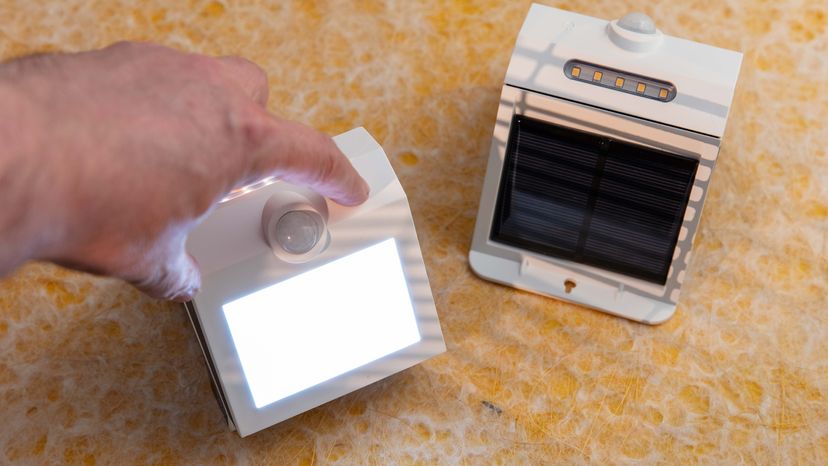
Solar motion lights are outdoor lamps that use solar energy and motion detection. They do not need a wired connection to your home’s electrical system. This makes them useful for driveways, walkways, patios, sheds, garages, fences, and remote areas.
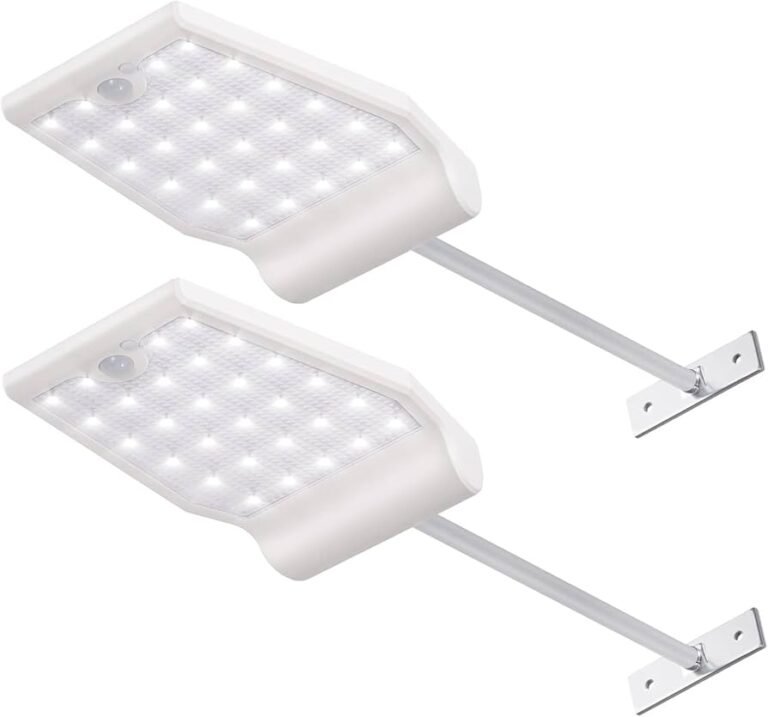
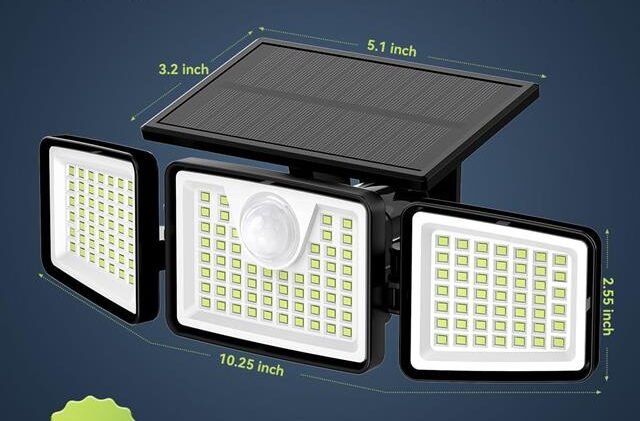
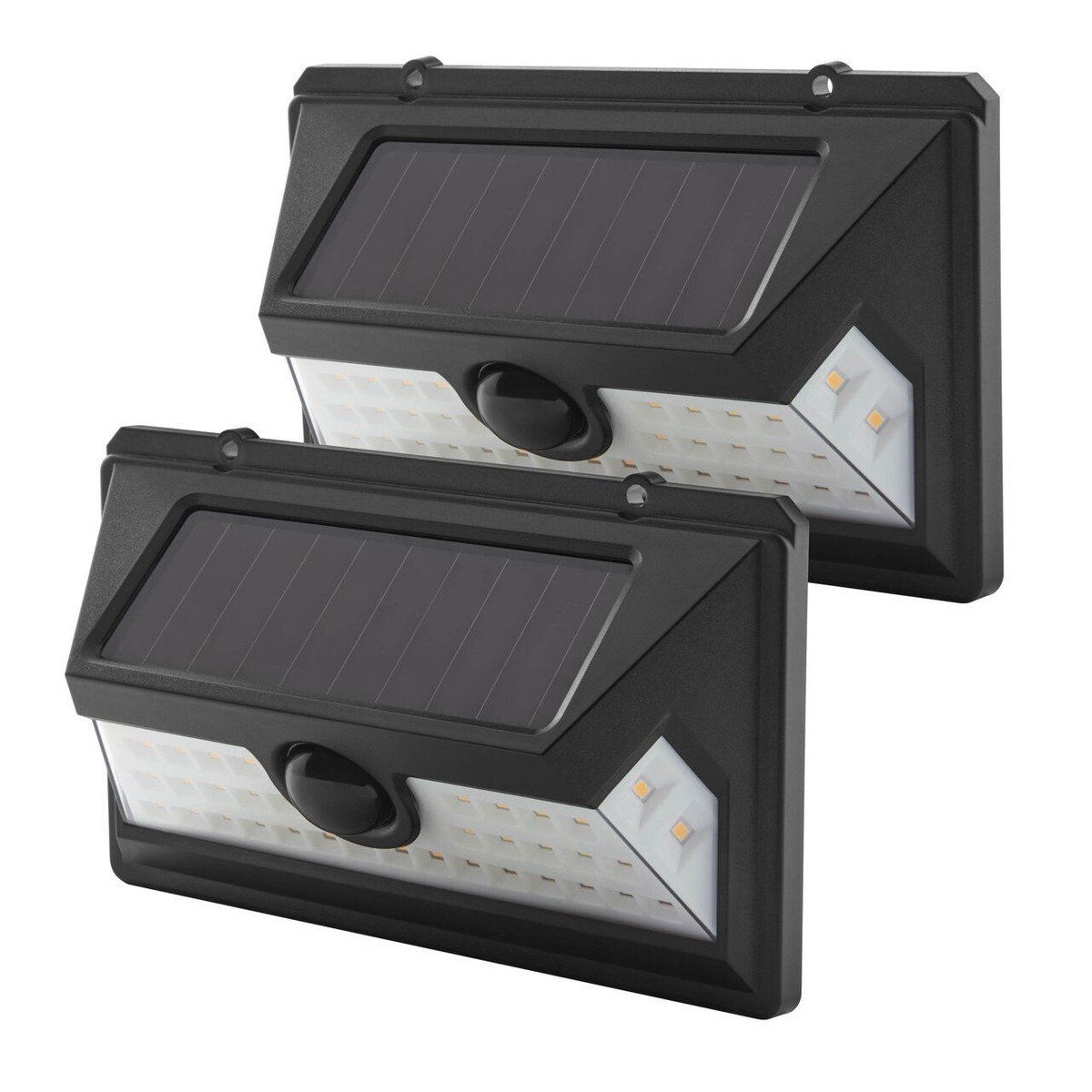
Most solar motion lights contain five main parts:
- Solar panel: Changes sunlight into electrical energy.
- Rechargeable battery: Stores energy for use after dark.
- Motion sensor: Detects movement near the light.
- LED bulbs: Produce bright light while using little power.
- Control circuit: Manages charging, sensing, and lighting cycles.
The solar panel and battery are the heart of the system. The motion sensor acts like a watchful guard. The LED light is the final step that turns stored energy into useful illumination.
Unlike standard outdoor lights, solar motion lights do not need to stay connected to a wall outlet. They can work in places where running cable would be costly, difficult, or unsafe.

How Do Solar Motion Lights Work Step by Step?
Solar motion lights follow a simple daily cycle. The exact design varies by model, but the basic process stays much the same.
1. The solar panel collects sunlight
During daylight, photovoltaic cells inside the panel absorb sunlight. These cells create direct-current electricity through the photovoltaic effect.
The panel produces more energy in strong, direct sun. However, it can still collect some energy on cloudy days. The output will be lower, so the battery may not fill completely.
Panel size matters. A larger panel can usually collect more energy, while a small panel may need many hours of direct sunlight to charge the battery.
2. The battery stores energy
A charging circuit sends electricity from the panel to the battery. Common battery types include lithium-ion, lithium iron phosphate, nickel-metal hydride, and older nickel-cadmium designs.
The battery stores energy during the day and releases it at night. A built-in control system helps prevent overcharging and deep discharge. This protection is important because extreme charging or draining can shorten battery life.
3. A light sensor detects darkness
Many solar motion lights include a small light sensor called a photocell. It measures the surrounding brightness.
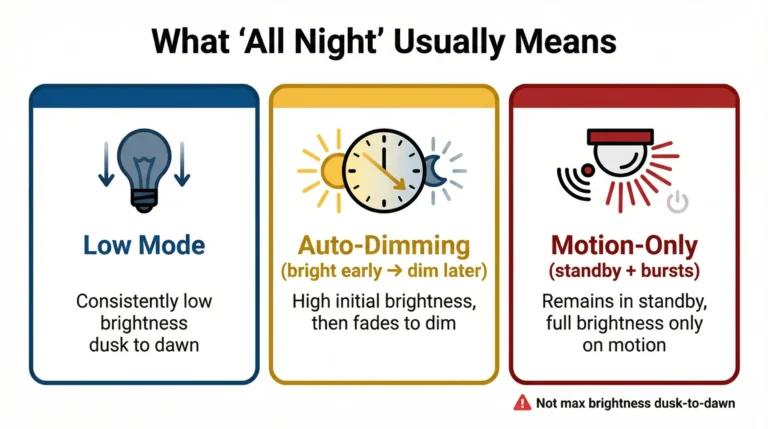
When the area becomes dark enough, the control circuit activates the night mode. The lamp may remain off until motion occurs, or it may stay dim and become bright when movement is detected.
This feature prevents the light from turning on during the day. It also saves battery power.
4. The motion sensor detects movement
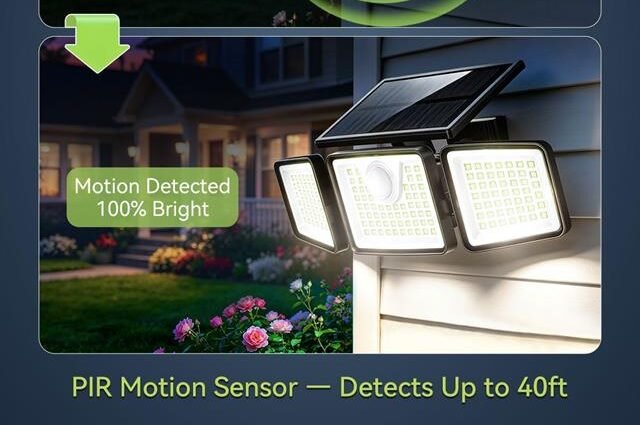
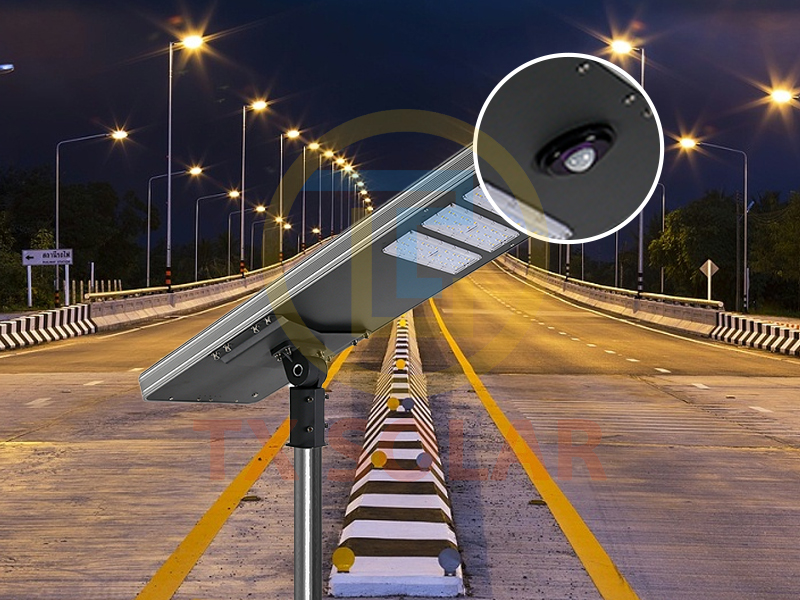
Most solar motion lights use a passive infrared, or PIR, sensor. A PIR sensor detects changes in infrared heat from people, pets, vehicles, and other warm objects.
The sensor does not send out a signal like radar. Instead, it watches for changes in heat across its detection zones. When a warm object moves from one zone to another, the sensor sends a signal to the control circuit.
This is why a person walking across the sensor’s view is often detected better than someone walking straight toward it.
5. The LED lamp turns on
After the sensor detects movement, the control circuit sends power from the battery to the LED bulbs. The LEDs turn on almost instantly.
A timer then keeps the light on for a set period. Common settings range from about 20 seconds to several minutes. After the timer ends, the light turns off or returns to a dim setting.

How Does a PIR Motion Sensor Detect Movement?
A PIR sensor detects infrared radiation, which is a form of heat energy. People and animals naturally give off infrared energy because their bodies are warmer than the surrounding air.
Inside the sensor is a pyroelectric element. This part reacts when the amount of infrared energy changes. A plastic lens, often shaped with small sections, divides the sensor’s view into detection zones.
When a person moves across these zones, the heat pattern changes. The sensor interprets that change as movement and triggers the light.
Several factors affect sensor performance:
- Distance: Many residential sensors work best within 15 to 40 feet.
- Angle: A wide viewing angle helps cover paths and driveways.
- Temperature: Very hot weather can reduce the difference between body heat and the background.
- Movement speed: Slow movement may be harder to detect.
- Obstacles: Walls, thick plants, and fences can block the sensor’s view.
- Sensor height: Mounting too high or too low can reduce coverage.
In my practical review of outdoor lighting setups, one common mistake is aiming the sensor directly at the path of travel. A person walking straight toward it may create less zone-to-zone change. Angling the sensor across the path often gives a faster response.

What Happens Inside Solar Motion Lights at Night?
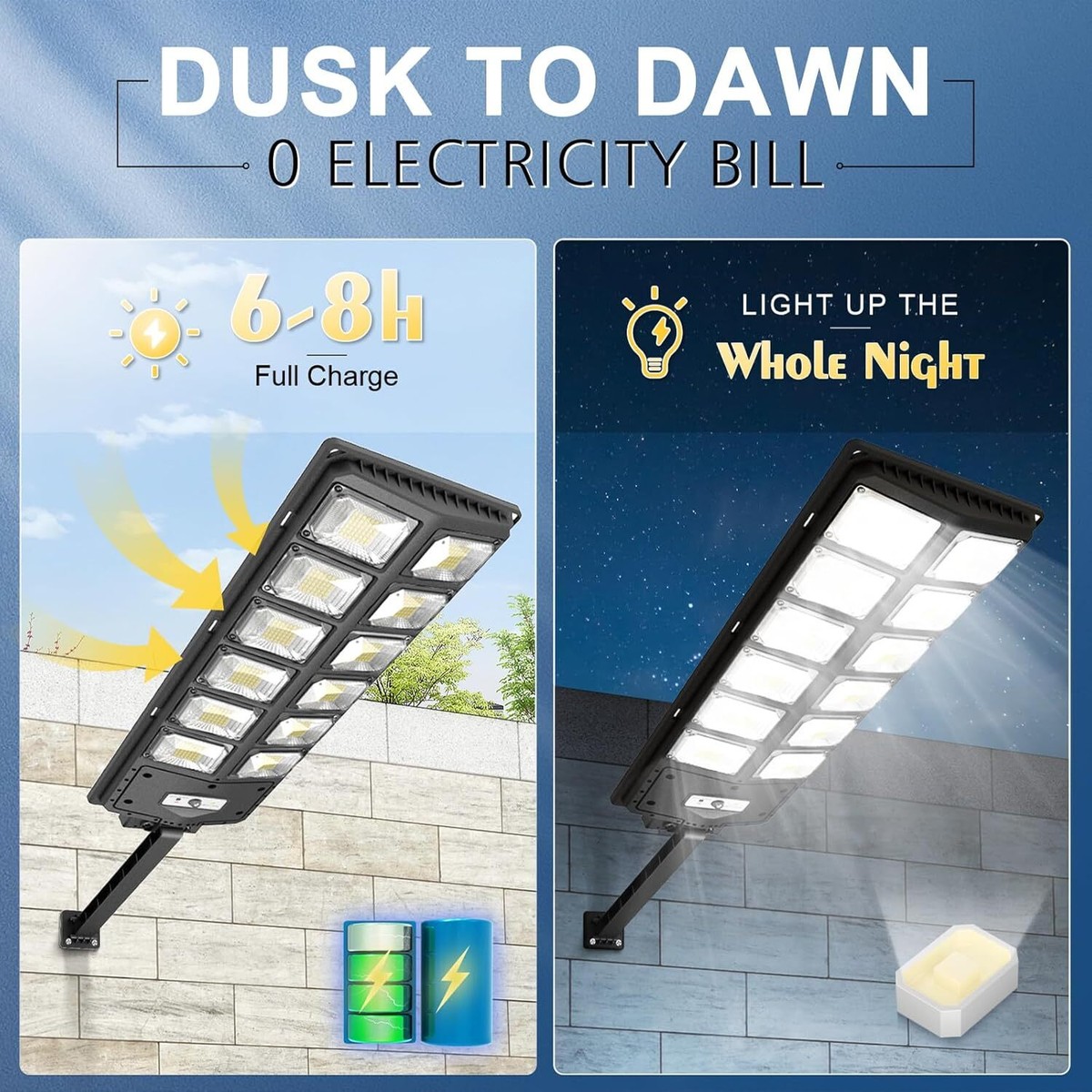
At night, the solar panel stops producing useful power because there is not enough sunlight. The battery then becomes the main energy source.
The control circuit checks the light sensor and waits for movement. If the product has a dim mode, it may power the LEDs at low brightness. Once the sensor detects movement, the circuit sends more current to the LEDs.
This design balances safety and battery life. A light that stays fully bright all night needs much more energy than one that activates only when needed.
Many solar motion lights have three basic settings:
- Sensitivity: Controls how easily the sensor detects movement.
- Lighting duration: Sets how long the lamp stays bright.
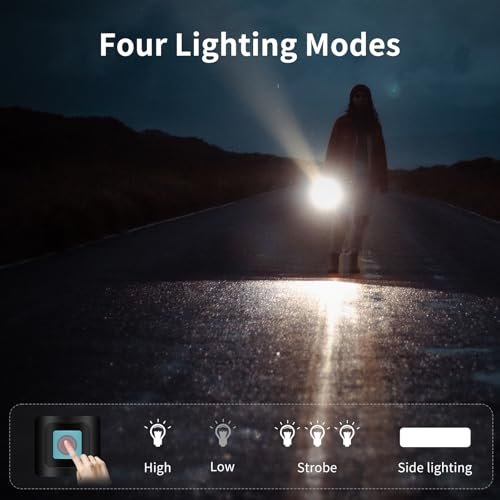
- Lighting mode: Selects off, dim, or motion-activated operation.
Some models also include adjustable brightness, separate solar panels, remote controls, and USB charging. More features can improve convenience, but they may also increase energy use and the number of parts that can fail.

How Long Do Solar Motion Lights Stay On?
The light usually stays on for 20 seconds to five minutes after detecting movement. The exact time depends on the timer setting and the product design.
A short timer saves battery power. This works well for paths, steps, and security areas where people only need brief illumination. A longer timer may be better near a shed, garage door, or outdoor work area.
Frequent triggers can drain the battery quickly. For example, a light facing a busy street may activate dozens of times each night. A light pointed at a quiet side yard may use much less energy.
To improve runtime:
- Choose the shortest useful timer setting.
- Reduce sensitivity if passing cars trigger the lamp.
- Use a lower brightness mode when available.
- Keep the panel clean and free from shade.
- Select a larger battery for high-traffic areas.
A bright light is not always the best light. The best setting gives enough visibility without wasting stored energy.
How Much Sunlight Do Solar Motion Lights Need?
Most solar motion lights perform best with about six to eight hours of direct sunlight each day. Some can work with less, but their runtime and brightness may drop.
The panel should face an open part of the sky. Nearby trees, roof edges, walls, and utility poles can cast shade. Even partial shade during peak sunlight hours may reduce charging performance.
Seasonal changes also matter. Winter days are shorter, and the sun sits lower in the sky. Snow, clouds, dust, and leaves can further reduce solar charging.
For the best results:
- Install the panel where it receives direct sunlight.
- Avoid placing it under a covered porch unless the panel is separate.
- Clean the panel every few months with a soft, damp cloth.
- Check for new shade as trees and plants grow.
- Angle the panel toward the strongest available sunlight.
A small panel in full sun may outperform a large panel placed in shade. Location is often more important than advertised wattage.

Benefits of Solar Motion Lights
Solar motion lights offer several practical benefits for homeowners and renters.
Easy installation
Most models mount with screws or brackets. You do not need to hire an electrician or run a long power cable.
Lower operating cost
Sunlight is free, so there is no added electricity charge during normal use. The main costs are the light itself and possible battery replacement.
Flexible placement
You can install solar motion lights far from the house. They work well at gates, garden paths, storage areas, and detached garages.
Better security visibility
Sudden light can make it easier to see people near doors, windows, and driveways. It can also discourage some unwanted activity, although lighting alone is not a complete security system.
Automatic operation
The sensor turns the light on when needed. You do not need to search for a switch while carrying groceries or taking out the trash.
Reduced energy waste
Motion activation limits the time the lamp stays bright. This often uses less energy than leaving a traditional outdoor light on all night.
Limitations and Common Problems
Solar motion lights are useful, but they are not perfect. Understanding their limits helps you choose the right product.
Weak charging
Shade, cloudy weather, dirt, and short winter days can leave the battery undercharged. The light may become dim or stop working before sunrise.
False triggers
Animals, tree branches, hot vehicles, and moving shadows can activate the sensor. Lowering sensitivity or changing the angle often solves the problem.
Battery aging
Rechargeable batteries lose capacity over time. A light that once worked all night may later last only a few hours. Battery life varies by chemistry, temperature, use, and quality.
Cold weather
Low temperatures can reduce battery performance. Lithium batteries often handle cold better than some older chemistries, but every battery works less efficiently in freezing conditions.
Water damage
Outdoor ratings differ. Look for a clear weather-resistance rating, such as IP65 or higher, when the light will face rain or snow. No rating guarantees protection against poor installation or long-term flooding.
Limited brightness
Small solar lights may not match the output of wired floodlights. Check the measured brightness, beam angle, and coverage area rather than relying only on marketing language.

How to Install Solar Motion Lights Correctly
Good installation can make a major difference in performance. Use these steps as a practical guide.
- Choose a location with strong sunlight.
- Place the light high enough to reduce tampering.
- Aim the sensor across the main walking route.
- Keep the sensor away from heat sources, vents, and reflective surfaces.
- Test the detection range before tightening all screws.
- Set the timer and sensitivity to moderate levels.
- Remove any protective film from the solar panel.
- Allow the battery to charge according to the manual.
Avoid placing the panel behind glass. Glass can reduce the sunlight that reaches the photovoltaic cells. Also, do not aim the sensor toward a busy road unless you want passing vehicles to trigger it.
One lesson I often emphasize with outdoor lighting is to test the light at night, not only during installation. A sensor can appear well positioned in daylight but miss the walkway after dark. A small adjustment of a few degrees can improve coverage.
Solar Motion Lights vs. Wired Motion Lights
Solar motion lights use stored solar energy. Wired motion lights draw power from a home electrical circuit.
Solar models are usually easier to install and more flexible. They are a strong choice for remote areas or temporary lighting. Wired lights often provide steadier brightness and longer operation, especially during long periods of rain or limited winter sun.
Choose solar motion lights when:
- You want simple installation.
- The location receives strong sunlight.
- You need light away from a power outlet.
- Moderate brightness is enough.
Choose wired lights when:
- You need powerful, dependable lighting.
- The location receives little sunlight.
- The light must run for long periods.
- You already have safe electrical wiring nearby.
A hybrid system can also work well. For example, solar motion lights can cover a garden path while a wired floodlight protects the main driveway.
How to Maintain Solar Motion Lights
Solar motion lights need little maintenance, but simple care can extend their service life.
- Wipe the solar panel with a soft cloth several times a year.
- Remove leaves, snow, and bird droppings quickly.
- Check mounting screws after strong wind.
- Inspect the housing for cracks or water entry.
- Keep plants from blocking the sensor.
- Replace the battery with the correct type and voltage.
- Test the light before winter and after severe storms.
Do not use abrasive cleaners on the solar panel. Avoid spraying water directly into seams, switches, or battery compartments.
If the light stops working, check the panel, battery, power switch, and sensor settings first. Many apparent failures come from a switch accidentally being left in the off position or a panel being placed in heavy shade.
Frequently Asked Questions About How Do Solar Motion Lights Work?
Do solar motion lights work on cloudy days?
Yes, solar motion lights can still charge on cloudy days, but the panel usually produces less energy. After several dark or rainy days, the battery may not last as long at night.
Do solar motion lights stay on all night?
Most solar motion lights stay off or use dim mode until they detect movement. Their bright mode usually lasts for a set timer period rather than the entire night.
Why do solar motion lights turn on during the day?
A covered or faulty light sensor may incorrectly detect darkness. Check for dirt, tape, shade, incorrect settings, or a damaged control circuit.
Can solar motion lights detect animals?
Yes, PIR sensors can detect warm animals. Small pets may trigger some lights, especially when sensitivity is high and the sensor is mounted low.
How long do solar motion light batteries last?
Many rechargeable batteries last about two to five years, but use, heat, cold, and charging conditions affect their life. Replace the battery when runtime drops sharply and the panel is still working well.
Are solar motion lights good for security?
Solar motion lights improve visibility and may discourage unwanted activity. However, they should support—not replace—strong locks, cameras, alarms, and other security measures.
Can solar motion lights charge without direct sunlight?
They can collect some energy in bright shade or cloudy conditions, but direct sunlight gives much better charging results. A shaded panel may not provide enough energy for reliable nighttime use.
Conclusion
Solar motion lights work by storing sunlight in a rechargeable battery, sensing darkness and movement, and powering LED bulbs when needed. Their performance depends on panel placement, battery quality, sensor position, weather, and proper settings.
Choose a model that matches your space, install the panel in direct sunlight, and aim the sensor across the path people use. With simple maintenance and realistic expectations, solar motion lights can provide useful, low-cost lighting without complicated wiring. Explore more outdoor lighting guides, compare trusted models, and share your experience with solar motion lights in the comments.