How Do You Replace a Lawn Mower Spark Plug?
How do you replace a lawn mower spark plug? The good news is that it's one of the easiest repairs you can handle yourself. Most homeowners finish the job in under 10 minutes with a socket wrench and a new plug.
Manufacturer specifications from Briggs & Stratton and Honda indicate that most 4-cycle lawn mower engines use a 14mm spark plug, gapped between .028 and .040 inches, and torqued to 12 to 18 foot-pounds. Getting the wrong plug size or torque value can cause misfires or stripped threads, so matching the specs matters more than you'd think.
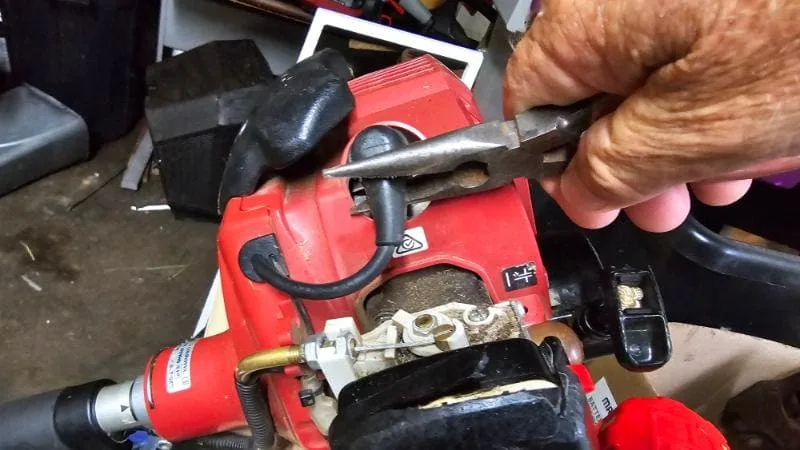
Image source: Bing (Web (fair-use with source credit))
Quick Answer
To replace a lawn mower spark plug, disconnect the ignition wire first. Let the engine cool completely before removing the old plug. Use a spark plug socket to loosen and remove the old plug.
Hand-thread the new plug in, then torque it to specification. Most jobs take under 10 minutes with basic tools.
My Lawn Mower Won't Start or Runs Rough: Could It Be the Spark Plug?
A spark plug failure shows up in a few predictable ways. Your mower may refuse to start despite good fuel and a full tank. It might turn over but not catch.
Or it could fire up and then die after a few seconds.
If the mower runs rough or sputters under load, that's another red flag. Aggregate user reviews across small engine repair forums consistently point to the spark plug as the most common first fix. Before you call a repair shop, it's worth checking this one part.
Here's how to tell if a spark plug is the culprit:
- The mower won't start despite the choke being set correctly.
- The engine turns over but doesn't catch.
- The mower runs but stalls after a few minutes.
- You notice black or white deposits on the old plug when you pull it.
- The engine fires on and off with no pattern.
Quick diagnostic before you buy anything: Pull the spark plug out and look at the electrode. If it's coated in black carbon, oily, or the gap has widened past the manufacturer's spec, that's your answer. If the plug looks clean and dry, the problem is likely elsewhere in the ignition system, such as the ignition coil or the kill switch.
How Spark Plugs Work in Lawn Mower Engines
A spark plug does one job: it ignites the compressed fuel-air mixture inside the engine cylinder. Each time the piston reaches the top of its stroke, the plug fires a spark. That spark lights the fuel, and the combustion pushes the piston back down.
Repeat that cycle thousands of times per minute and you've got a running engine.
When a plug fouls, the gap between the center and ground electrode gets clogged with deposits. Carbon buildup, oil contamination, or simple electrode wear will all weaken the spark. The result is incomplete combustion, rough running, and eventually a mower that won't start at all.
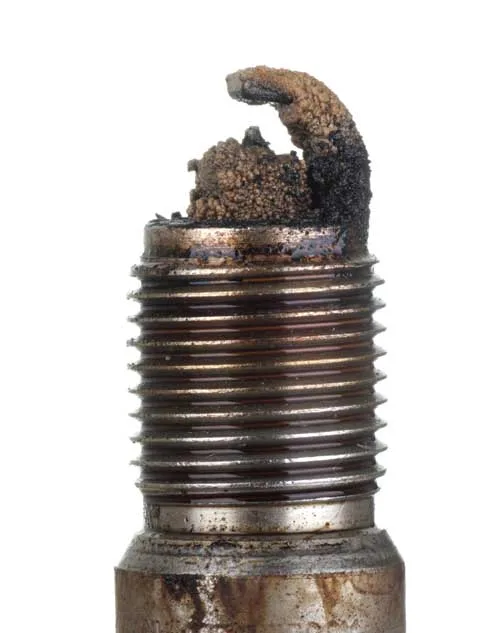
Image source: Bing (Web (fair-use with source credit))
There are three main types of fouling you'll see when you pull the plug:
| Fouling Type | Appearance | What Causes It |
|---|---|---|
| Carbon fouling | Dry, black, sooty coating | Rich fuel mixture, dirty air filter, idling too much |
| Oil fouling | Wet, shiny, oily residue | Leaking valve seals, overfilled crankcase, worn rings |
| Wet fouling | Fuel-soaked plug | Choke left on too long, flooding from repeated pull-starting |
If the plug is heavily carbon-fouled, manufacturer service guidelines from Honda Power Equipment suggest checking the air filter before replacing anything. A clogged air filter causes rich fuel mixtures, which leads directly to carbon buildup on the spark plug.
Heat range matters too. Some lawn mower engines run cold plugs, others run standard plugs, and a few high-performance small engines use hotter plugs. If you install the wrong heat range, you'll either get pre-ignition or continued fouling.
Check your owner's manual or the engine's model number to confirm the right plug type.
Step-by-Step Spark Plug Replacement Workflow
Replacing a spark plug is straightforward if you follow the right sequence. Here's the process broken into clear steps, with decision branches for different mower types.
Step 1: Prepare the Mower
Disconnect the spark plug lead first. This prevents the engine from accidentally starting if the starter engages while you're working. Ground the engine by pulling the ignition kill wire if your model has one.
Let the engine cool for at least 10 minutes before you touch anything.
If your mower is a riding model, lift the seat and locate the spark plug on the engine block. Push mowers usually have the plug accessible near the front of the engine housing. You may need to remove a plastic engine cover first.
Step 2: Remove the Old Spark Plug
Pull the rubber spark plug boot off the plug. It should pop off with a firm tug. Clean around the base of the plug with a compressed air blast or a soft brush.
This prevents debris from falling into the combustion chamber when the plug comes out.
Use the correct spark plug socket and a ratchet. Turn counterclockwise with steady pressure. If the plug resists, don't force it.
A stuck plug often needs penetrating oil or heat to loosen safely.
Step 3: Inspect the Old Plug
Before you throw it away, look at the old plug carefully. Compare it to the new one. Check that the thread reach, thread pitch, and hex size all match.
Adjust the new plug's gap with a feeler gauge if it differs from your engine's spec.
Step 4: Install the New Spark Plug
Thread the new plug in by hand first. This is the single most important step in the whole job. Hand-threading catches cross-threading early before you apply any torque.
Once the plug is snug, torque it to the manufacturer's specification. Check the spec chart in the next section for your engine's exact values.
Reattach the spark plug boot firmly. It should click into place. Reconnect the ignition wire.
Step 5: Start and Test
Start the engine and let it run for a minute. Listen for smooth operation. If the mower runs rough or backfires, shut it down and double-check that the boot is seated properly and the wire is connected.
Spark Plug Specs, Torque Values, and Replacement Costs
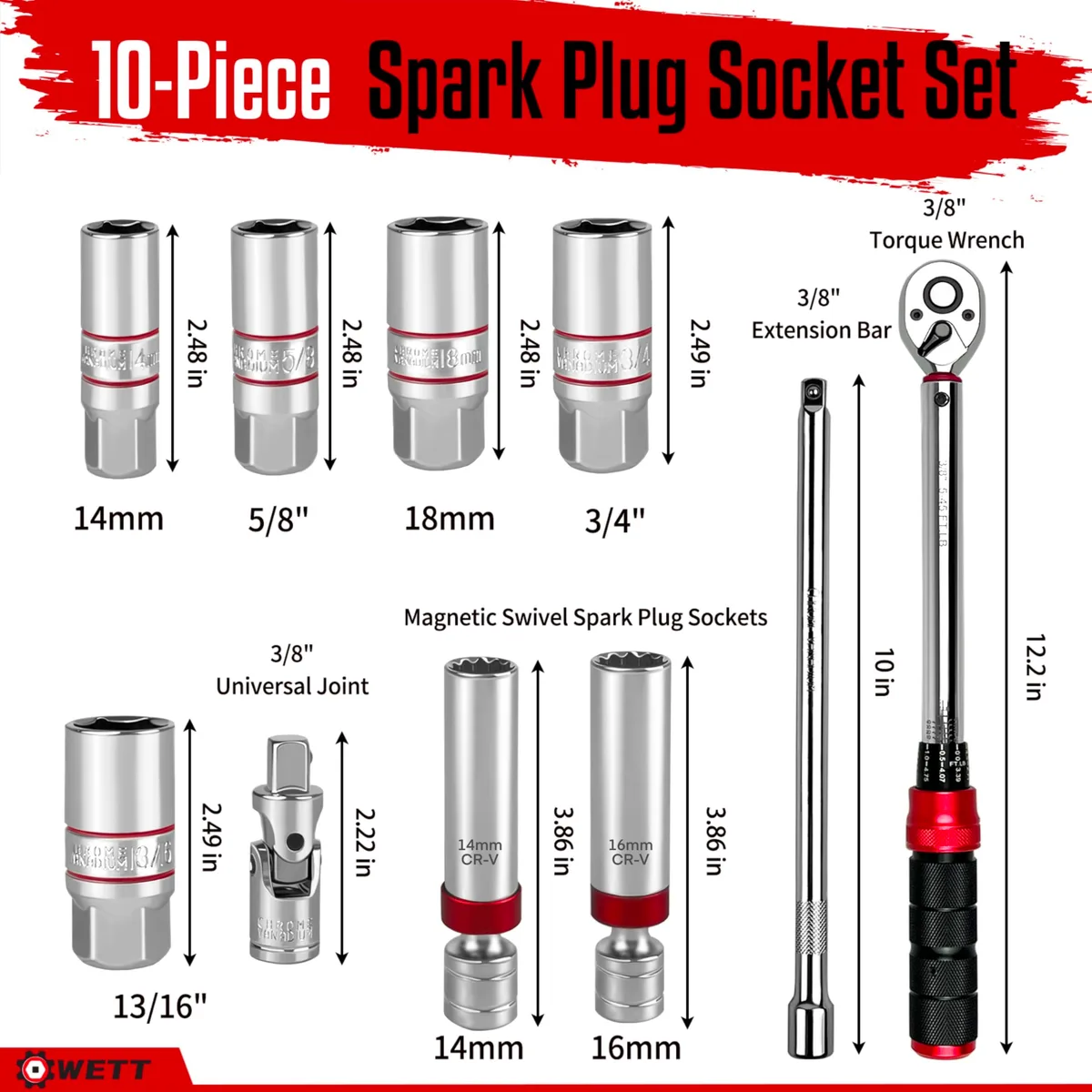
Image source: Bing (Web (fair-use with source credit))
Here's a practical breakdown of what you'll need to know when buying a replacement plug and torque values by engine brand.
| Engine Brand | Common Thread Size | Recommended Gap | Torque Spec |
|---|---|---|---|
| Briggs & Stratton | 14mm short-reach | .028 to .030 inches | 12 to 18 ft-lbs |
| Honda (GX series) | 10mm or 14mm | .028 to .030 inches | 12 to 18 ft-lbs |
| Kohler | 14mm long-reach | .030 to .040 inches | 14 to 21 ft-lbs |
| Toro / Emission engines | 14mm short-reach | .030 inches | 12 to 14 ft-lbs |
As of 2026, a quality small engine spark plug from brands like Champion, NGK, or Autolite costs between $3 and $8 at auto parts stores. A professional tune-up, which typically includes plug replacement, oil change, and air filter swap, runs $75 to $200 depending on your region and the mower type.
For most homeowners, the DIY route saves significant money over the lifetime of the mower. If you service the plug annually, you're spending $5 to $10 a year versus $75 to $200 for a shop visit.
You'll need these tools to get the job done:
- Spark plug socket (16mm or 21mm depending on your plug hex size)
- Socket extension bar
- Ratchet wrench
- Feeler gauge (for gap adjustment)
- Torque wrench (recommended, especially for 18mm plugs)
Mistakes That Send People to the Repair Shop
The most common spark plug replacement mistakes are avoidable. Here's what goes wrong most often and how to sidestep each one.
Cross-threading the new plug. If you start the new plug with a wrench instead of by hand, you can strip the soft aluminum threads in the cylinder head. Thread damage turns a $5 fix into a $100+ repair. Always start by hand.
Using the wrong heat range. A plug that's too hot will cause pre-ignition. A plug that's too cold will keep fouling with carbon. Check the engine model number and match it to the manufacturer's recommended plug.
Don't assume all 14mm plugs are interchangeable.
Forgetting to torque the plug. Leaving the plug too loose allows exhaust gases to leak past the threads, which damages the plug and the engine over time. Overtightening risks cracking the plug insulator or stripping the threads. Use a torque wrench and follow the spec.
Leaving the ignition lead disconnected. It sounds obvious, but this is one of the most common post-replacement errors. If the boot isn't firmly seated on the new plug, the engine won't fire. Listen for that click when you push the boot back on.
Skipping the debris clean. Pulling the old plug without cleaning around it lets grass clippings and dirt fall into the combustion chamber. Even a small amount of debris can score the cylinder wall. Clean first, pull second.
Wrong gap after purchase. Pre-gapped plugs aren't always gapped perfectly from the factory. Always verify the gap with a feeler gauge before installing. A gap that's off by even .005 inches can cause weak spark and hard starting.