What Size Solar Pool Pump Do I Need For My Pool?: Best Fit
Most pools need a solar pump that delivers the right flow at the pool’s actual plumbing head.
Knowing what size solar pool pump do I need for my pool? starts with more than pool volume or horsepower. You must match the pump’s flow rate, total dynamic head, filter, plumbing, solar power supply, and daily run time. This guide explains the sizing process in plain language so you can choose a pump that cleans your water well without wasting energy or money.
What Size Solar Pool Pump Do I Need for My Pool?
For most residential pools, a solar pool pump should provide enough flow to turn over the entire pool volume about once every 8 hours. Some pools can use a slower turnover with longer run times, especially when the pump runs during sunny hours.
A useful starting formula is:
Required flow rate in gallons per minute (GPM) = Pool volume in gallons ÷ Desired turnover time in minutes
For an 8-hour turnover:
Pool volume ÷ 480 = target GPM
Here are some examples:
• A 10,000-gallon pool needs about 21 GPM for an 8-hour turnover.
• A 15,000-gallon pool needs about 31 GPM.
• A 20,000-gallon pool needs about 42 GPM.
• A 25,000-gallon pool needs about 52 GPM.
• A 30,000-gallon pool needs about 63 GPM.
This formula answers part of “what size solar pool pump do I need for my pool?” However, it does not account for resistance in the pipes, filter, heater, valves, cleaner, or elevation. The pump must deliver the target GPM at your system’s real operating head, not at the pump’s advertised maximum flow.
How Pool Pump Size Is Measured
Pool pump size is often shown in horsepower, watts, volts, flow rate, or total dynamic head. These figures describe different parts of the pump’s performance.
Gallons per minute
Gallons per minute, or GPM, tells you how much water the pump moves. This is usually the most useful number for pool turnover.
A pump rated at 60 GPM may move far less than 60 GPM once you connect it to a filter, heater, long pipe run, and return jets. Always check the manufacturer’s performance chart.
Total dynamic head
Total dynamic head, or TDH, measures the resistance the pump must overcome. It is usually listed in feet of head.
Head comes from:
• Pipe length and pipe diameter
• Elbows, tees, and valves
• The pool filter
• A heater or heat pump
• Salt cells and other equipment
• Water features
• Suction lift and vertical elevation
A pump’s flow chart should show how many GPM it produces at different head levels. This is more helpful than choosing by horsepower alone.
Horsepower
Horsepower is a rough size label, not a complete sizing method. Two pumps with the same horsepower can produce different flow rates because of motor design, impeller size, speed, and efficiency.
For this reason, do not choose a 1.5 HP, 2 HP, or 3 HP solar pool pump without checking its flow at your system’s estimated head.
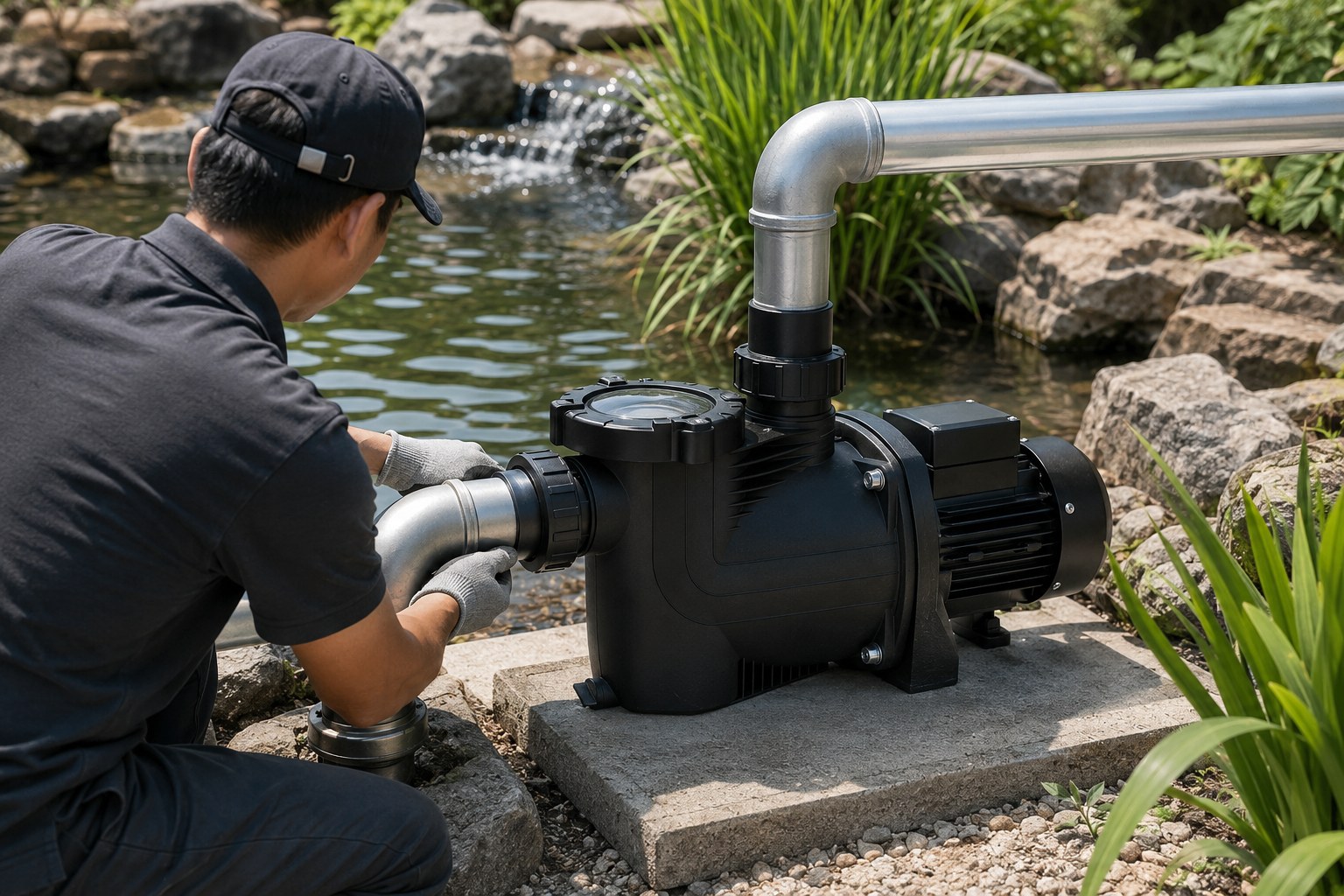
Calculate Your Pool’s Required Flow Rate
Before asking what size solar pool pump do I need for my pool?, calculate the pool volume. A wrong volume estimate can lead to a pump that is too small or too large.
Rectangular pool
Use this formula:
Length × width × average depth × 7.48 = gallons
For example, a pool that is 30 feet long, 15 feet wide, and 5 feet deep holds about 16,830 gallons.
If you want an 8-hour turnover:
16,830 ÷ 480 = 35 GPM
You would then select a pump that can deliver at least 35 GPM at the system’s actual head.
Round pool
Use this formula:
3.14 × radius × radius × average depth × 7.48 = gallons
The radius is half the pool’s diameter.
Oval pool
A simple estimate is:
Length × width × average depth × 5.9 = gallons
These formulas provide an estimate. If your pool has a shallow end and a deep end, use the average depth rather than the deepest point.
Example calculation
Suppose you have a 20,000-gallon pool and want one turnover every 8 hours.
-
Convert 8 hours to minutes: 8 × 60 = 480 minutes.
-
Divide the pool volume by 480: 20,000 ÷ 480 = 41.7 GPM.
-
Add a reasonable margin for system resistance and changing conditions.
-
Check the pump curve to confirm it can produce about 42 GPM at your estimated TDH.
The correct answer to what size solar pool pump do I need for my pool? is therefore not simply “a 2 HP pump.” It is a pump that can produce the needed flow at the required head.
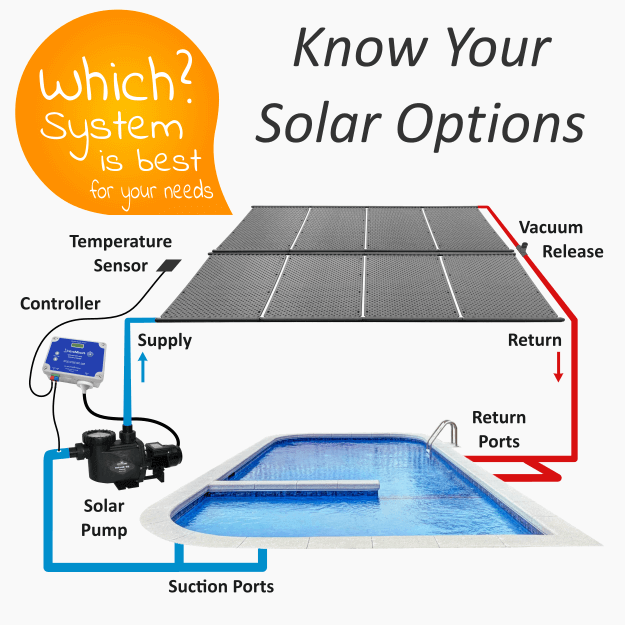
Estimate Total Dynamic Head
Many pump sizing mistakes happen because people focus only on gallons. The pump must push water through the whole circulation system.
For a typical residential pool, TDH may fall somewhere between 30 and 60 feet, but the exact number varies. Older pools with narrow pipes, dirty filters, many fittings, or water features may have much higher resistance.
Factors that increase head
• Long runs of pipe
• Small pipe, such as 1.5-inch plumbing
• Dirty or undersized filters
• A gas heater or heat pump
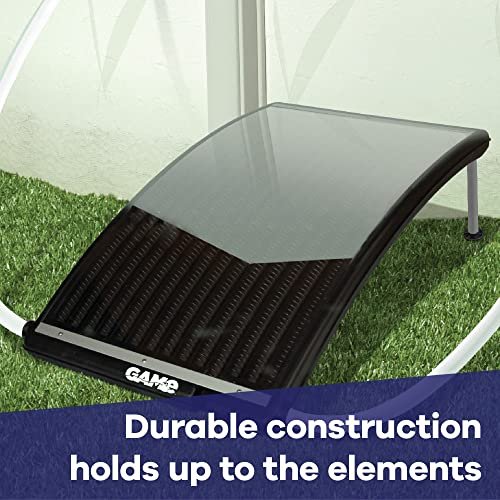
• Solar pool heating panels
• Waterfalls, fountains, and spa spillways
• High return jets
• Suction cleaners
• Sharp elbows and restrictive valves
A professional can calculate TDH from pipe measurements and equipment data. You can also ask the pump dealer to size the pump at a stated head, such as 40 or 50 feet.
A practical lesson from pool equipment projects is simple: a pump that looks powerful on a box may perform poorly in a real system. I have seen owners replace a pump twice because they compared maximum GPM numbers instead of comparing flow at operating head.

Solar Pool Pump Types
The phrase solar pool pump can describe several different systems. Understanding the type matters when deciding what size solar pool pump do I need for my pool?.
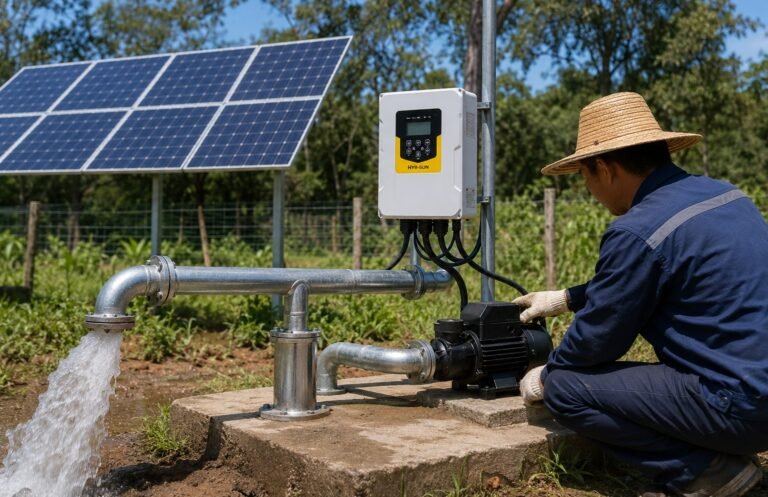
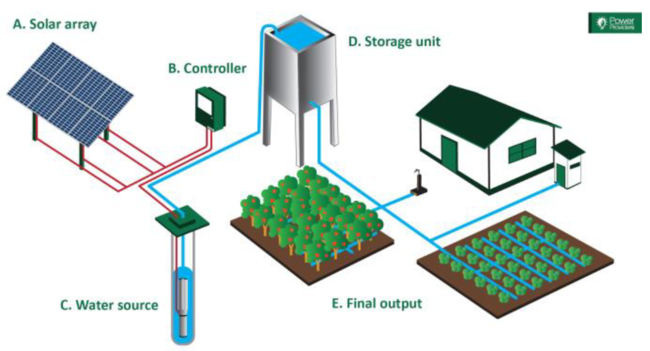
Direct solar pump
A direct solar pump receives power from solar panels and usually runs when sunlight is available. Its output can change during the day.
Clouds, shade, panel angle, dust, and seasonal sunlight can reduce performance. These systems often work best when the pump can run for many daylight hours.
Solar-powered AC pump
A solar array can also power a standard AC pool pump through an inverter. This setup may offer more control and may work with a battery or grid connection.
The inverter and electrical system must be sized for the pump’s starting and running power. A pump that needs a large startup surge may require a suitable variable-speed design or a correctly sized inverter.
Solar-compatible variable-speed pump
A variable-speed pump can run at lower speeds for normal filtration and higher speeds for cleaning, heating, or water features. This often reduces energy use and makes solar power easier to use.
However, the pump still needs enough power to provide useful flow. Running too slowly may save energy but fail to operate a heater, cleaner, salt system, or skimmer properly.
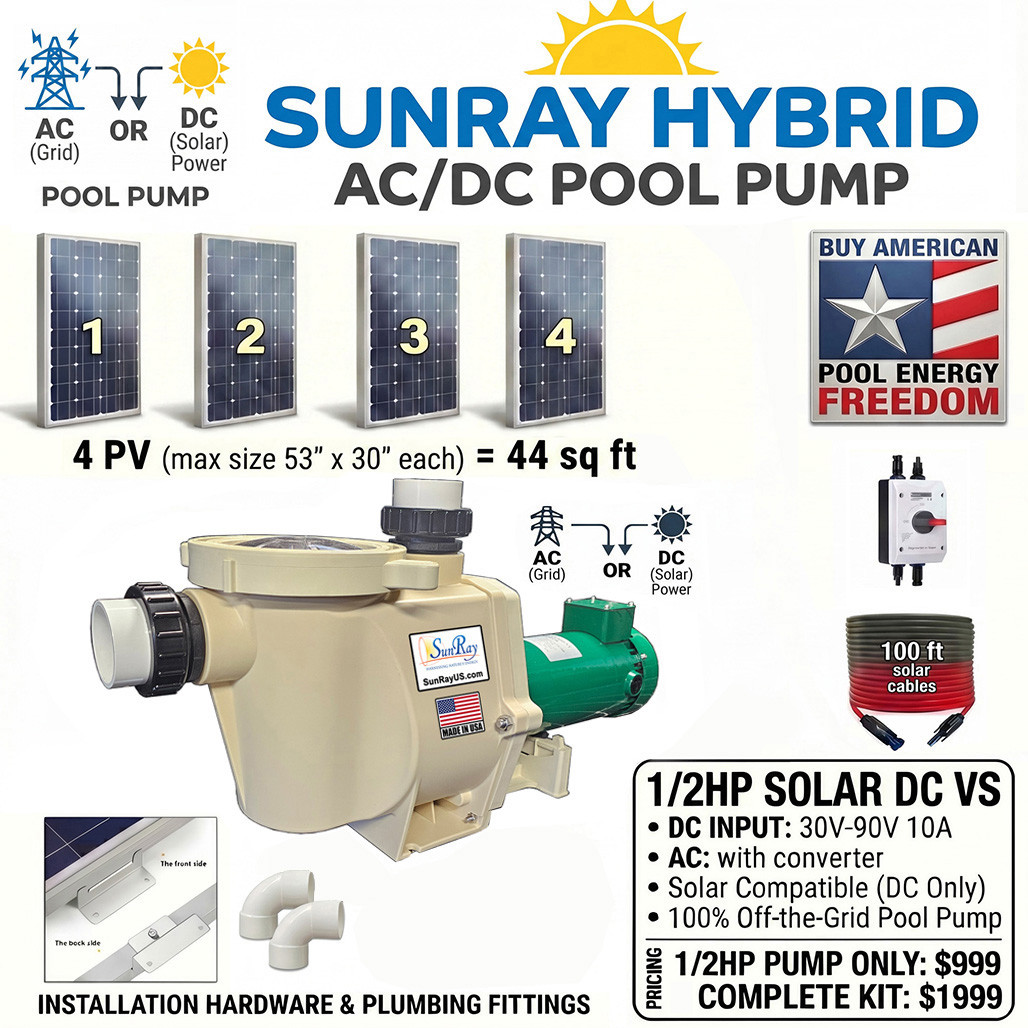
How Many Solar Panels Does the Pump Need?
Pump size and solar panel size are related, but they are not the same thing. A pump may need enough electrical power to start, run, and maintain its target speed under real sunlight.
A solar system designer should consider:
• Pump running watts
• Startup or surge demand
• Panel wattage
• Inverter efficiency
• Battery capacity, if used
• Peak sun hours in your area
• Shade and panel orientation
• Seasonal weather
For example, a 1,000-watt pump does not necessarily need only 1,000 watts of solar panels. Energy is lost through wiring, the inverter, temperature, and changing sunlight. A direct-drive pump may also slow down when clouds pass.
The goal is not merely to make the motor spin. The goal is to produce the required GPM at the required head for enough hours each day.
In many areas, a solar pool pump should run longer than a grid-powered pump because it may have lower flow during parts of the day. A 10-hour solar run at a lower flow can provide the same daily water movement as a shorter run at a higher flow.
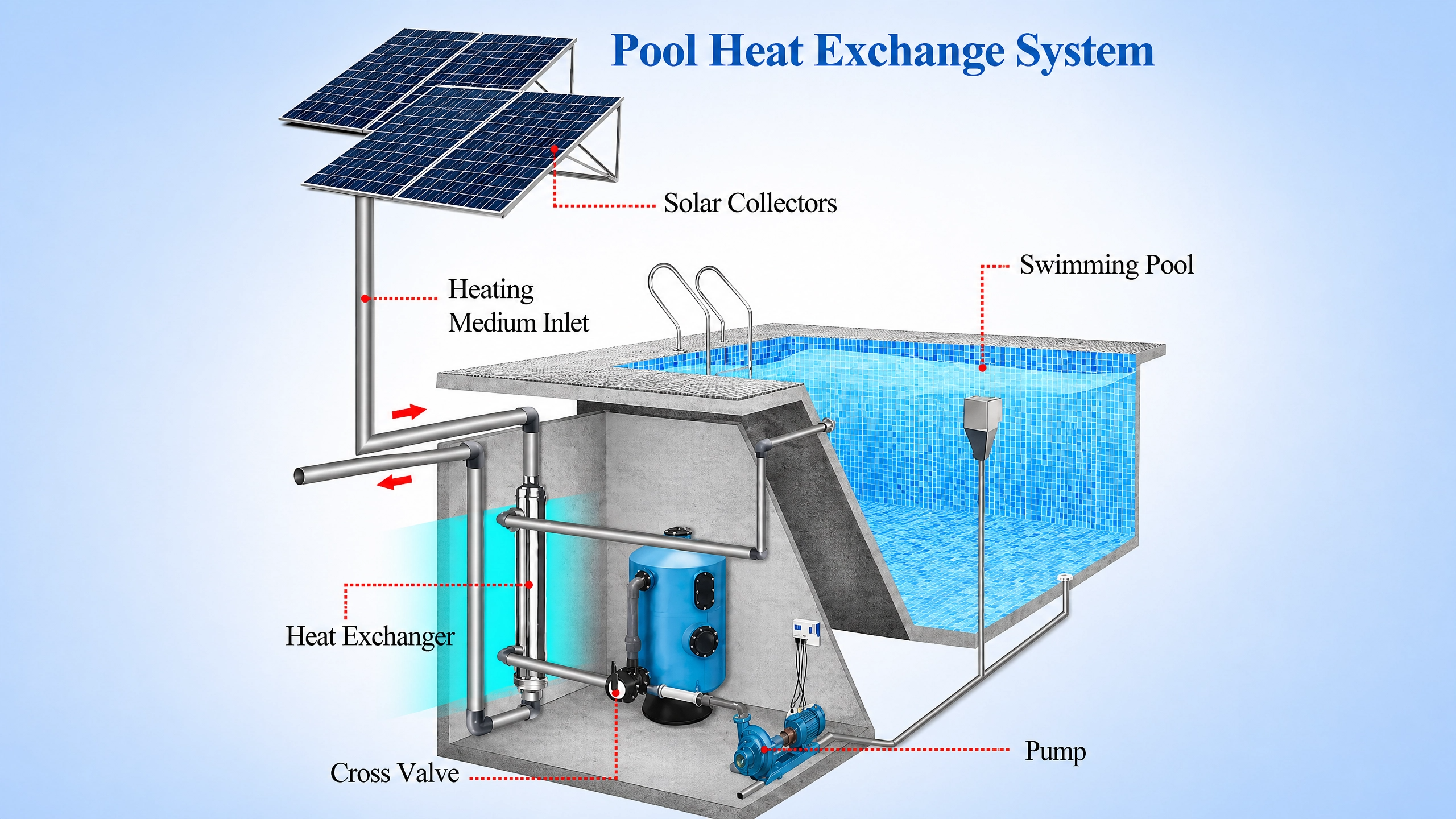
Choosing Between a Single-Speed and Variable-Speed Pump
A single-speed pump is simple and often costs less to install. It runs at one fixed speed, which makes basic flow planning easy.
A variable-speed pump costs more at the start but can use much less electricity. It can run slowly for filtration and increase speed when the pool needs extra flow.
Variable-speed benefits
• Lower daily energy use
• Quieter operation
• Better control during weak sunlight
• Easier operation of multiple pool features
• Lower pressure on filters and plumbing at low speed
Possible limitations
• Higher purchase price
• More complex controls
• Need for compatible solar equipment
• Possible repair costs for electronic components
A variable-speed pump is often a strong choice for a solar pool system because it can follow available solar power. Still, do not oversize it without a reason. A large pump running at low speed may work well, but the system must be programmed correctly.
Should You Oversize a Solar Pool Pump?
A small amount of capacity can be helpful. It allows for a dirty filter, warmer weather, minor flow loss, and normal system changes.
Too much oversizing can create problems:
• Higher purchase and installation cost
• More electricity use at high speed
• Excessive filter pressure
• Faster wear on seals and equipment
• Poor skimmer performance at low speed
• Difficult solar panel and inverter sizing
• Unnecessary noise
The best approach is to choose a pump that meets your required flow at your calculated head, then add only a modest safety margin. Do not use horsepower as a substitute for a pump curve.
If you have a spa, waterfall, or solar heating loop, size the system around the feature that needs the greatest flow. You may also need separate valves or a two-speed schedule.
Solar Pool Pump Sizing by Pool Type
Pool volume is important, but pool design also affects the answer to what size solar pool pump do I need for my pool?.
Small above-ground pool
A small above-ground pool may need only 15 to 30 GPM. Its plumbing is often short, but some factory filters and hoses create high resistance.
Check the pump, filter, and hose ratings before upgrading. A stronger pump can damage a small filter or cause leaks.
Standard in-ground pool
A 15,000 to 25,000-gallon in-ground pool often needs roughly 30 to 55 GPM for an 8-hour turnover. The actual pump depends on pipe size, filter type, equipment, and head.
Many pools in this range can use a variable-speed pump that runs slowly for most of the day and faster for cleaning.
Large pool
A 30,000-gallon pool needs about 63 GPM for an 8-hour turnover. A long plumbing system or water feature may require more capacity.
A larger pool may benefit from longer run times rather than a very large pump. This can be especially useful when solar power is strongest during the middle of the day.
Pool with a spa or water feature
A spa spillway, deck jet, or waterfall may need much more flow than filtration. In these cases, do not size the pump only for pool turnover.
You may need a separate feature pump, a dedicated booster pump, or a variable-speed pump with separate speed settings.
Match the Pump to the Filter
Your filter must safely handle the pump’s flow. A pump that is too large for the filter can raise pressure and reduce cleaning performance.
Check the filter’s rated flow in GPM. The pump’s maximum possible flow should not exceed that rating under normal operation.
Cartridge filters
Cartridge filters often have a maximum flow rating listed by the manufacturer. A dirty cartridge creates more resistance, so regular cleaning is important.
Sand filters
Sand filters need enough flow for proper filtration and backwashing. The filter’s required and maximum flow rates should guide your pump choice.
Diatomaceous earth filters
DE filters can provide very fine filtration but may have specific flow limits. Follow the filter label and installation instructions.
A good pump and filter work as a team. Buying a large pump while keeping a small filter is like putting a fire hose on a kitchen strainer.
Common Solar Pool Pump Sizing Mistakes
Avoid these errors when choosing a solar pool pump.
• Choosing by horsepower alone: Horsepower does not show actual flow at your system’s head.
• Using maximum GPM: Maximum flow is measured under ideal conditions and may not match your installation.
• Ignoring the filter: The filter may restrict flow or have a lower maximum rating.
• Forgetting solar conditions: A pump may perform well in strong sun but slow down during clouds or winter.
• Running for too few hours: Solar pumps may need longer daily run times.
• Using small pipe with a large pump: Narrow pipe creates more friction and wastes energy.
• Ignoring water features: A waterfall or spa may need a separate flow calculation.
• Skipping electrical checks: Voltage, inverter size, grounding, and disconnects must be handled safely.
Electrical work near a pool presents a serious shock risk. Use a licensed electrician and follow local code requirements, including bonding, grounding, and ground-fault protection.
How Long Should a Solar Pool Pump Run?
A solar pool pump should run long enough to filter the required volume and support sanitation. An 8-hour turnover is a common starting point, but it is not a universal rule.
Many pools run for 8 to 12 hours per day. A solar pump may run longer because its flow changes with sunlight.
You also need enough circulation for:
• Chlorine distribution
• Salt chlorine generator operation
• Surface skimming
• Pool heating
• Water clarity
• Algae control
Run the pump during the strongest sunlight when possible. If the system includes a battery or grid backup, you may run it during other hours as needed.
Watch the pool, not just the clock. Poor skimming, cloudy water, low sanitizer, or dead spots may show that the pump schedule or flow needs adjustment.
A Practical Sizing Process
Use this process to decide what size solar pool pump do I need for my pool?.
-
Measure or estimate the pool volume.
-
Choose a target turnover time, such as 8 hours.
-
Divide the pool volume by the turnover minutes to find the required GPM.
-
Estimate total dynamic head from pipe size, pipe length, fittings, filter, heater, and features.
-
Compare pump performance charts at that head.
-
Confirm the filter, heater, salt system, and plumbing can handle the flow.
-
Match the pump’s electrical demand to the solar array, inverter, and battery.
-
Add a modest capacity margin, not an excessive one.
-
Install pressure and flow monitoring if practical.
-
Test the water movement and adjust the run schedule after installation.
For a 20,000-gallon pool, the starting target is about 42 GPM for an 8-hour turnover. If the pump curve shows 42 GPM at 45 feet of head, it may be suitable. If it produces only 25 GPM at that head, it is too small even if the box lists a higher maximum flow.
Frequently Asked Questions
What size solar pool pump do I need for a 20,000-gallon pool?
A 20,000-gallon pool needs about 42 GPM for one turnover in 8 hours. The correct pump must deliver that flow at your system’s actual head, so check the performance curve rather than choosing by horsepower.
Can a solar pool pump be too powerful?
Yes. An oversized pump can waste energy, raise filter pressure, increase wear, and exceed the safe flow rating of connected equipment. Choose a pump with enough capacity and only a reasonable safety margin.
Is a 1.5 HP solar pool pump enough?
It may be enough for some pools, but horsepower alone cannot answer the question. Pipe size, total dynamic head, filter resistance, pump speed, and the required GPM all matter.
How many solar panels are needed for a pool pump?
The number depends on pump watts, startup demand, inverter efficiency, local sunlight, shading, and desired run time. A qualified installer should size the panels and electrical equipment as one complete system.
Should a solar pool pump run all day?
It may need to run for much of the sunny period, especially if its flow changes with sunlight. The correct schedule depends on pool volume, flow rate, water temperature, sanitation needs, and whether the system has battery or grid backup.
Does a larger pool always need a larger pump?
A larger pool usually needs more total water movement, but a longer run time can reduce the required flow rate. Plumbing resistance and water features may matter as much as pool size.
Can I use a solar pump with my existing pool filter?
Usually, but the pump’s flow must stay within the filter’s rated range. Check the filter label, plumbing size, valves, heater, and salt system before installation.
Conclusion
The answer to what size solar pool pump do I need for my pool? begins with the required GPM, not horsepower. Calculate pool volume, select a turnover time, estimate total dynamic head, and then use the pump’s performance chart to confirm real flow.
A properly sized solar pool pump should work with your filter, plumbing, solar panels, inverter, and daily schedule. Take time to compare the complete system, ask an installer to verify the calculations, and leave a comment with your pool size and equipment details if you need help narrowing down the right option.