Solar Drip Irrigation Water Savings: What To Expect
A solar drip irrigation system can save about 30% to 70% of water compared with traditional surface irrigation.
How much water does a solar drip irrigation system save? The answer depends on your soil, crop, climate, system design, and old irrigation method. The solar pump provides clean power, while drip lines save water by sending slow, steady flow straight to plant roots. This guide explains the numbers, shows how to estimate your own savings, and shares practical tips for getting the best results.
How much water does a solar drip irrigation system save?
A well-designed solar drip irrigation system often saves 30% to 70% of water compared with flood or furrow irrigation. It may save about 20% to 50% compared with a standard sprinkler system, although results vary by climate and equipment.
The largest savings come from reducing common water losses:
• Less evaporation from exposed soil
• Less runoff on slopes or compacted ground
• Less deep drainage below the root zone
• Less water lost between the pump and the plant
• More accurate watering around each crop
For example, a farm using 1,000 gallons per day with flood irrigation might use only 300 to 700 gallons with a well-designed drip system. The exact result depends on how much water the old system wasted and how carefully the new system is managed.
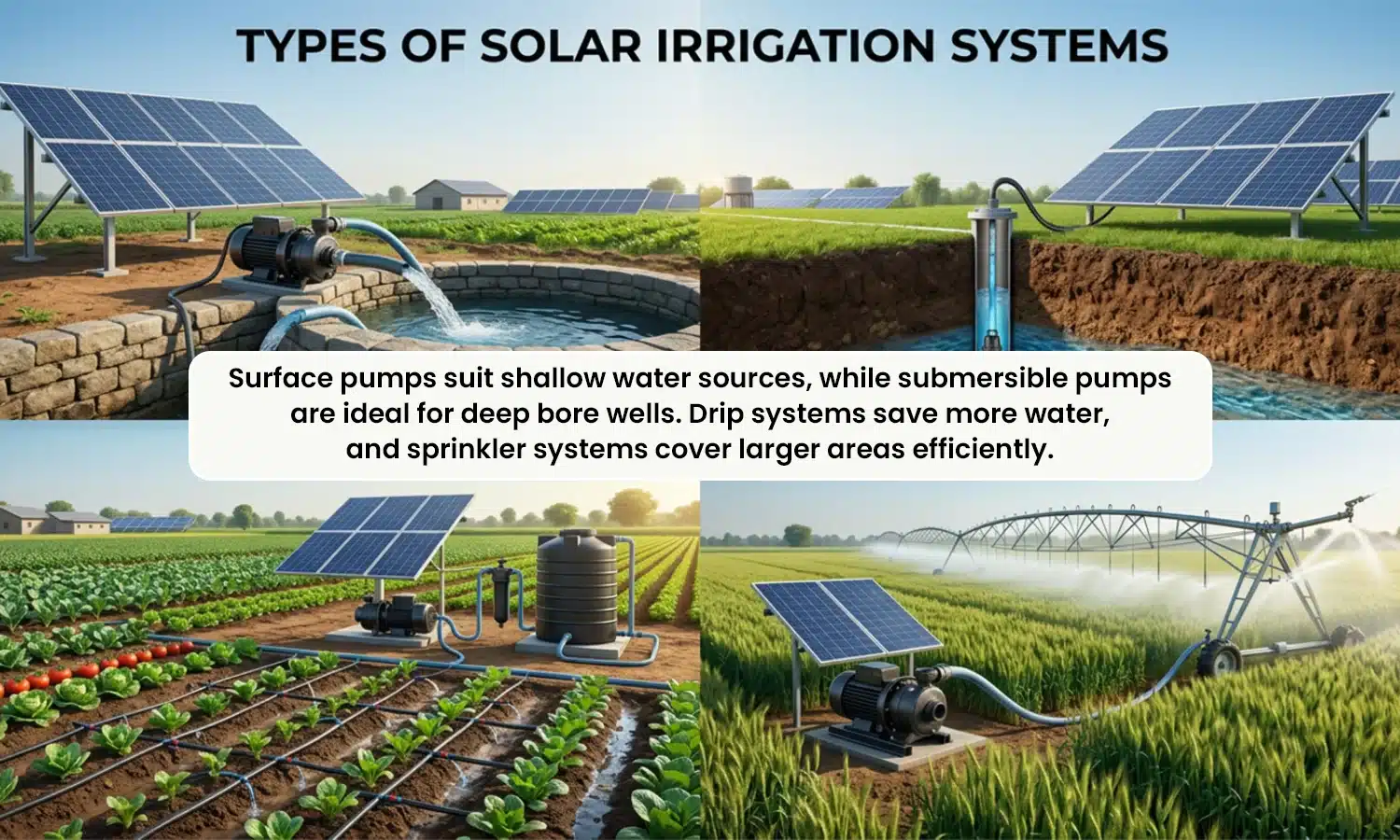
It is important to separate solar power from drip irrigation. Solar panels reduce fuel or grid electricity use. The drip lines and emitters create most of the direct water savings. A solar-powered sprinkler system may reduce energy costs, but it may not save much water unless it also improves application efficiency.
Why drip irrigation saves so much water
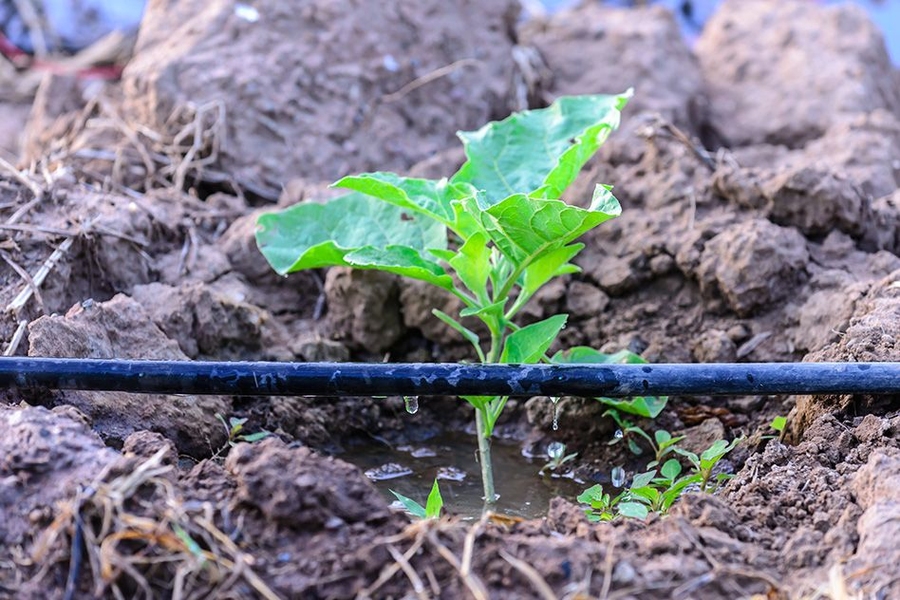
Drip irrigation works like a slow, controlled faucet near the plant. Water flows through small emitters and enters the soil close to the root zone. This keeps more water where the plant can use it.
Flood irrigation spreads water across a field or garden bed. Some water runs away, while some evaporates before it reaches the roots. Water may also move too deep for shallow-rooted crops to use.
Sprinklers can perform better than flood irrigation, but wind and heat still cause losses. Fine water droplets can drift away or evaporate in the air. Drip irrigation avoids much of this loss by placing water near the ground.
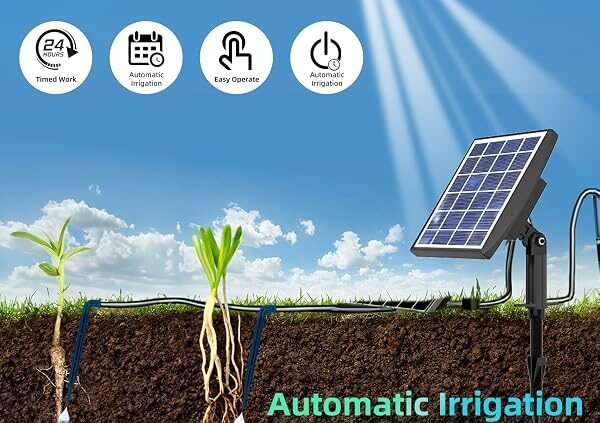
A solar drip irrigation system can also support precise scheduling. A timer or controller can run the pump early in the morning or at night. These cooler periods usually have lower evaporation rates.
The system saves the most water when it combines:
• Pressure-compensating emitters
• Properly spaced drip lines
• Soil moisture checks
• Short, measured watering cycles
• Mulch over the soil
• Filters that prevent clogging
• A storage tank for steady water delivery
Drip irrigation is not automatically efficient. A leaking line, poor pressure, or blocked emitter can waste water or leave plants dry. Good design matters as much as the equipment itself.
Solar power and water efficiency
Solar energy does not directly reduce the amount of water a crop needs. Plants still require water based on temperature, wind, humidity, crop type, and growth stage.
However, solar power can make efficient irrigation easier to use. A solar pump can operate in remote areas without a power line. It can also reduce dependence on gasoline or diesel pumps.
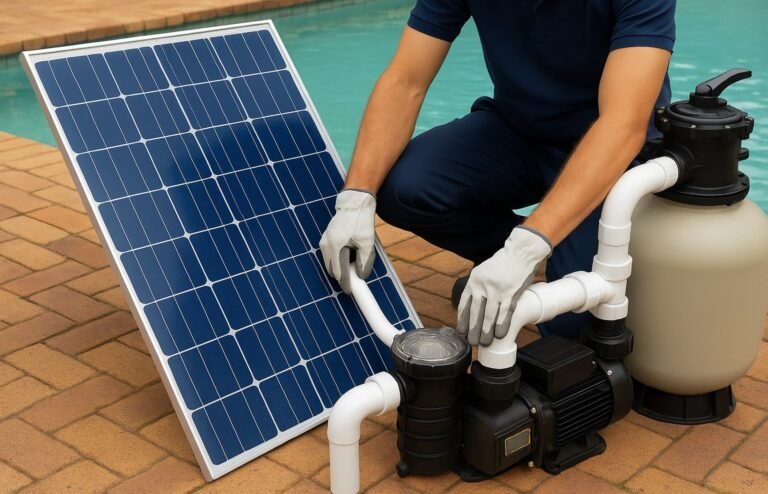
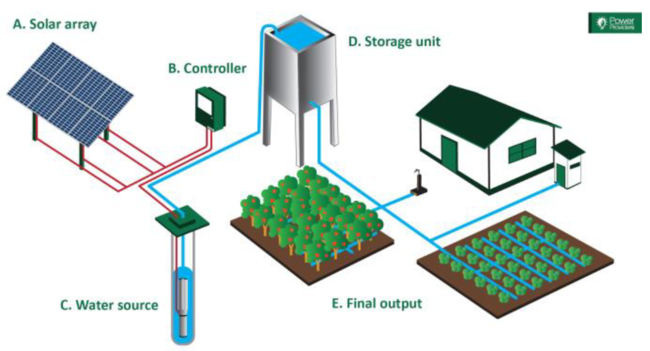
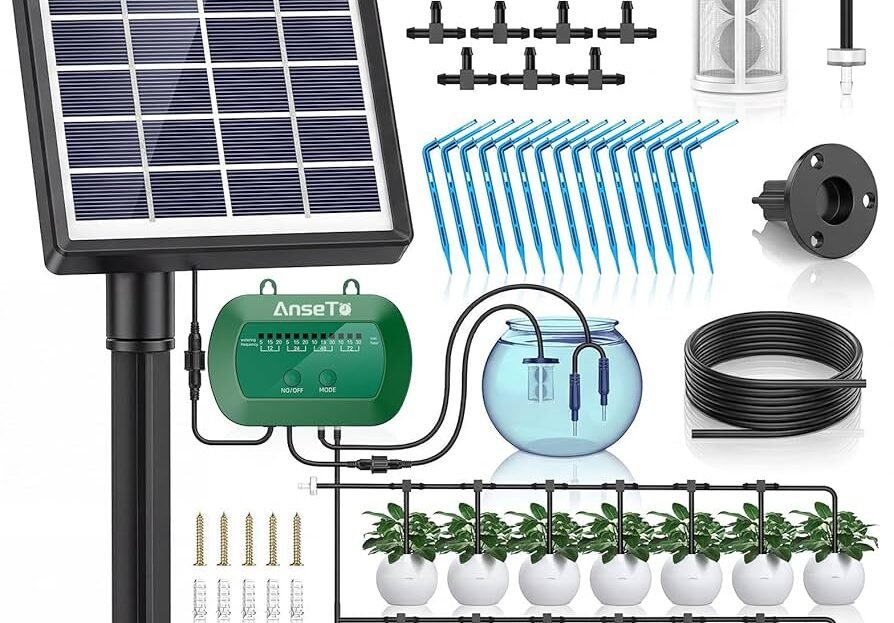
A typical solar irrigation setup includes:
• Solar panels
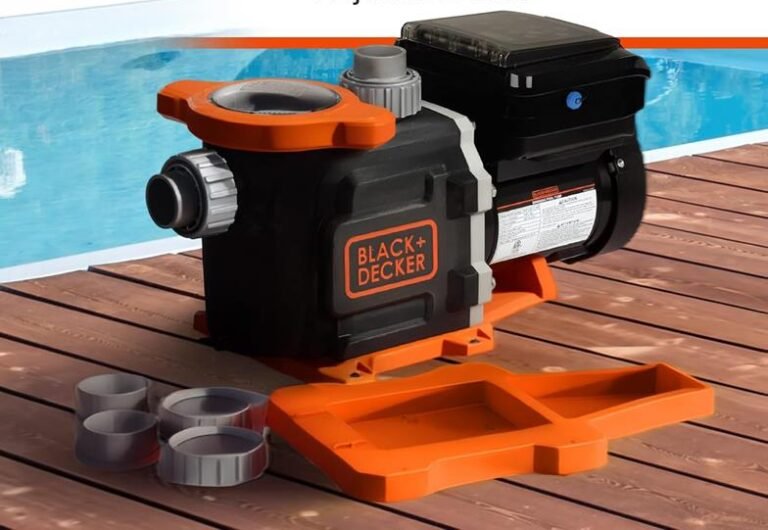
• A solar pump
• Pump controls
• A filter
• A pressure regulator
• Main water lines
• Drip tubing
• Emitters
• A timer or irrigation controller
Some systems pump water into a tank during the day and irrigate later. This approach can improve pressure and provide water when sunlight is weak. It also helps prevent overwatering during the hottest hours.
The best systems use a pump sized for the water source and irrigation area. An oversized pump may deliver too much water and cause line damage. An undersized pump may fail to maintain pressure at the far end of the field.
How to calculate your water savings
You do not need complex software to estimate savings. Start with the amount of water your current system uses.
Use this simple formula:
Water savings = Old water use − New water use
To find the percentage:
Water savings percentage = (Old water use − New water use) ÷ Old water use × 100
For example, imagine a vegetable garden uses 1,200 gallons each week with a hose and sprinkler. After installing solar drip irrigation, weekly use falls to 700 gallons.
The calculation would be:
• Water saved: 1,200 − 700 = 500 gallons per week
• Savings rate: 500 ÷ 1,200 × 100 = about 42%
That system saves about 500 gallons each week, or roughly 26,000 gallons per year if the same schedule continues for 52 weeks.
For a larger farm, use a flow meter. Record the water used for at least two weeks before the change. Then record use under similar weather and crop conditions after installation. Comparing similar periods gives a more accurate result.
Avoid comparing a cool spring month with a hot summer month. Weather can affect irrigation demand more than the equipment itself.
Factors that change water savings
How much water does a solar drip irrigation system save in one location may differ greatly from results in another. Several factors control the final number.
Previous irrigation method
The old system sets the starting point. Replacing flood irrigation usually creates larger savings than replacing a modern, well-managed sprinkler system.
Soil type
Sandy soil drains water quickly. It may need short, frequent irrigation cycles. Clay soil holds water longer but may cause runoff if water is applied too fast.
Loam soil often offers a useful balance. Still, every field has differences in slope, compaction, and organic matter.
Climate
Hot, dry, windy areas have high evaporation. Drip irrigation can make a major difference there. Humid areas may show smaller savings because natural evaporation is lower.
Crop type
Lettuce, peppers, tomatoes, berries, fruit trees, and row crops have different root patterns and water needs. Emitters must match the crop spacing.
System pressure
Most drip systems work within a specific pressure range. Too much pressure can cause leaks or uneven flow. Too little pressure can leave plants at the end of the line under-watered.
Irrigation schedule
A timer that runs too long can erase much of the expected savings. Smart scheduling should follow soil moisture and crop need, not just a fixed calendar.
Maintenance
Clogged filters and dirty emitters create dry areas. Leaks create wet areas and waste water. Regular checks help maintain both crop health and water efficiency.
Water savings by irrigation comparison
The following ranges provide a practical guide. They are estimates, not guarantees.
| Irrigation method | Typical water efficiency | Possible savings with drip |
|---|---|---|
| Flood or furrow irrigation | 40% to 60% | 30% to 70% |
| Hand watering with a hose | 50% to 70% | 20% to 50% |
| Conventional sprinklers | 60% to 80% | 20% to 50% |
| Efficient low-pressure sprinklers | 75% to 90% | 10% to 30% |
| Well-managed drip irrigation | 85% to 95% | Baseline |
These ranges reflect application efficiency. Field conditions can change the result.
For example, a sprinkler used on a calm morning may perform well. The same sprinkler used in strong wind may lose much more water. Likewise, drip irrigation installed on a steep slope may need pressure controls to deliver water evenly.
A realistic goal for many gardens is 30% to 50% water savings after switching from sprinklers or hose watering. A farm replacing poorly managed flood irrigation may achieve higher savings.
How much water does a solar drip irrigation system save on a small garden?
Consider a 500-square-foot vegetable garden. Suppose the garden needs about 1 inch of water each week during a hot period.
One inch of water over 500 square feet equals about 312 gallons. If a sprinkler system operates at 70% efficiency, it may need around 446 gallons to deliver that amount to the plants.
With drip irrigation operating at 90% efficiency, the garden may need about 347 gallons. That difference equals roughly 99 gallons per week, or more than 5,000 gallons over a year of similar use.
This example does not include rainfall, mulch, plant shade, or soil moisture. Real demand will change. Still, it shows why small improvements can add up.
A home garden can save even more when drip lines are combined with:
• Two to three inches of organic mulch
• Morning irrigation
• Rain sensors
• Moisture-based scheduling
• Grouping plants by water need
• Repairing hose and connector leaks
How much water does a solar drip irrigation system save on a farm?
On a farm, savings depend on acreage, crop spacing, irrigation depth, and the old system. A one-acre field can require hundreds of thousands of gallons during a growing season.
Suppose a one-acre crop receives 2 acre-feet of irrigation water under a surface system. One acre-foot equals about 325,851 gallons. Two acre-feet therefore equal about 651,702 gallons.
If drip irrigation reduces use by 40%, the farm could save about 260,681 gallons for that season. The crop must still receive enough water to maintain yield and quality.
Farmers should measure yield as well as water use. A system that saves water but lowers crop production may not provide a good economic result. The strongest system improves water productivity, meaning it produces more crop per gallon.
Solar pumping may improve the financial result by reducing fuel and electricity costs. That makes it easier to run precise irrigation cycles without increasing operating expenses.

How to maximize water savings
A solar drip irrigation system works best when it is designed around the field, not simply installed from a kit.
Follow these steps:
-
Measure the water source. Check well flow, tank size, or available surface water before choosing a pump.
-
Divide the area into zones. Different crops and soil types often need different watering times.
-
Install a suitable filter. Water quality affects emitter life and system reliability.
-
Use a pressure regulator. Stable pressure helps each emitter deliver a similar flow.
-
Place lines near plant roots. Avoid watering bare spaces that do not support plants.
-
Cover the soil. Mulch reduces evaporation and keeps the root zone cooler.
-
Check wetting patterns. Dig a small test hole after irrigation to see how deep and wide moisture travels.
-
Use a flow meter. A meter helps identify leaks, clogged lines, and unusual water use.
-
Adjust for weather. Reduce irrigation after rain and increase it during extended heat.
-
Inspect the system often. Walk the lines and look for leaks, damaged tubing, or dry plants.
One common mistake is watering by the clock alone. A timer does not know whether the soil is already wet. Soil checks and weather data create better results.
Another mistake is using emitters with the wrong flow rate. High-flow emitters can flood small containers, while low-flow emitters may not meet the needs of mature plants.
Common limitations and mistakes
How much water does a solar drip irrigation system save if the system is poorly maintained? Sometimes, very little. A new system can waste water when the design does not match the site.
Watch for these problems:
• Running the pump during peak heat
• Installing tubing without a filter
• Using long lines without pressure control
• Ignoring leaks at connectors
• Placing emitters too far from roots
• Watering all crops on the same schedule
• Relying on a small solar panel for a large pump
• Failing to flush the lines
• Overwatering because water is inexpensive or automated
Drip lines can also suffer damage from rodents, farm tools, sunlight, and freezing temperatures. Replace damaged sections quickly. A small leak may seem harmless, but many leaks across a field can waste thousands of gallons.
Solar systems have their own limits. Cloudy weather can reduce pumping. Batteries add cost and require care. A storage tank can help, but it must be sized for the water demand and available sunlight.
Costs, payback, and environmental benefits
Water savings can lower water bills, protect wells, and reduce pressure on local supplies. Solar pumping can also lower fuel use and greenhouse gas emissions.
The payback period depends on:
• System size
• Solar panel cost
• Pump size
• Water price
• Fuel or electricity savings
• Labor savings
• Crop value
• Local rebates
A small home system may pay back through lower utility use and easier watering. A commercial farm may gain from lower pumping costs and more stable irrigation.
Do not judge the investment by water savings alone. Consider the value of improved crop health, reduced labor, and better control. Also include filter replacement, repairs, battery costs, and seasonal maintenance.
The environmental benefits are strongest when the system prevents over-pumping. Saving water at the field level does not justify using more water than the local aquifer or watershed can safely provide.

How to monitor real water savings
Good monitoring turns an estimate into evidence. Use a flow meter to record the gallons delivered to each irrigation zone.
Keep a simple log with:
• Date and irrigation time
• Gallons used
• Weather conditions
• Rainfall
• Soil moisture
• Crop growth
• Any leaks or repairs
Compare water use during similar weeks. Also compare harvest weight, plant health, and disease problems.
A useful measure is crop water productivity:
Crop water productivity = Crop yield ÷ Water used
For example, if a garden produces 100 pounds of vegetables with 10,000 gallons, its water productivity is 0.01 pound per gallon. If it later produces 105 pounds with 7,000 gallons, the system has improved water productivity substantially.
This method gives a clearer picture than gallons saved alone. The goal is not simply to use less water. The goal is to use the right amount at the right place and time.
Frequently Asked Questions of How much water does a solar drip irrigation system save?
How much water does a solar drip irrigation system save compared with sprinklers?
It commonly saves about 20% to 50% compared with conventional sprinklers. Savings may be higher when sprinklers run in strong wind or extreme heat.
Does solar irrigation save water by itself?
No. Solar panels mainly reduce electricity or fuel use. The drip tubing, emitters, smart scheduling, and proper maintenance create most of the water savings.
Can a solar drip irrigation system save 70% of water?
Yes, savings near 70% are possible when replacing poorly managed flood or furrow irrigation. This result is less likely when replacing an efficient sprinkler or drip system.
How do I know how much water my system saves?
Install a flow meter and compare water use before and after installation under similar weather and crop conditions. Track rainfall, irrigation time, soil moisture, and crop yield for a fair comparison.
Does drip irrigation work in sandy soil?
Yes, but sandy soil needs shorter and more frequent watering cycles. The emitters may need closer spacing so water reaches the full root zone.
Is solar drip irrigation suitable for a vegetable garden?
Yes. It works well for vegetables, fruit trees, flowers, and many small farms. Add a filter, pressure regulator, timer, and storage tank when needed.
Can drip irrigation overwater plants?
Yes. Drip irrigation still overwaters plants when emitters run too long or have too high a flow rate. Check the soil below the surface and adjust the schedule as plants and weather change.
How often should solar drip irrigation lines be maintained?
Inspect lines at least once a month during the growing season. Flush the system, clean filters, check pressure, and repair leaks more often when the water contains sediment or minerals.
Conclusion
How much water does a solar drip irrigation system save? In many cases, it saves 30% to 70% compared with flood irrigation and about 20% to 50% compared with standard sprinklers. The solar panels reduce pumping energy, while drip lines deliver water close to plant roots with less runoff and evaporation.
Your actual savings will depend on system design, soil, crop, weather, pressure, and maintenance. Start with a flow meter, use short watering cycles, cover the soil with mulch, and check moisture below the surface.
A carefully planned solar drip irrigation system can lower water use, reduce energy costs, and help plants grow with less waste. Measure your current use, make one improvement at a time, and explore local irrigation resources or share your results with other growers.