Are Solar Water Pumps Worth The Investment: Pros & Costs
Yes, solar water pumps are worth the investment when fuel savings, water needs, and sunlight match your site.
Are solar water pumps worth the investment? For many farms, homes, ranches, and remote water systems, the answer is yes. These pumps turn sunlight into useful water flow with little daily cost. Still, the best choice depends on pump size, well depth, water demand, local sunlight, and the need for backup power. This guide breaks down the real costs, benefits, limits, and payback period so you can make a sound choice.
What Is a Solar Water Pump?
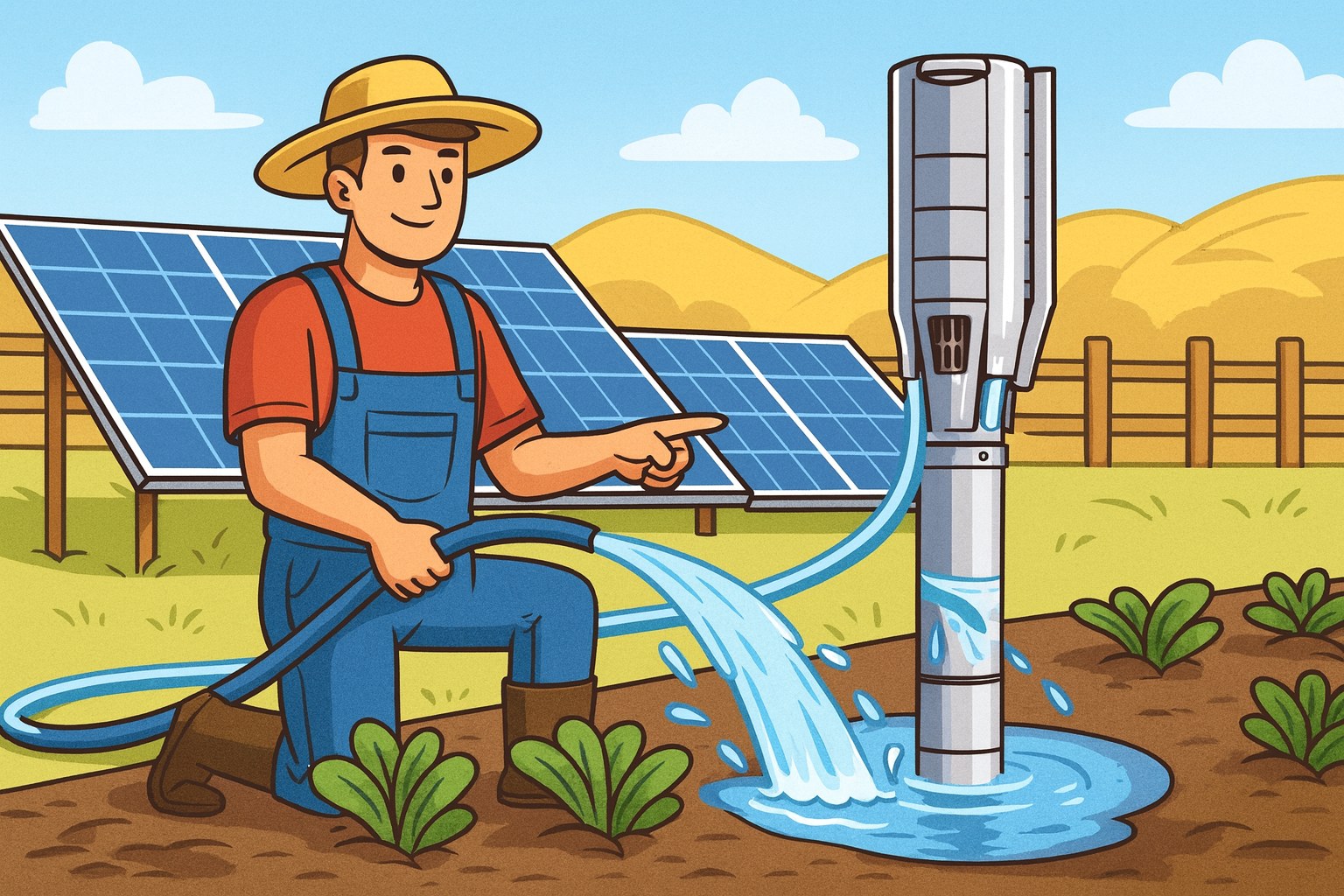
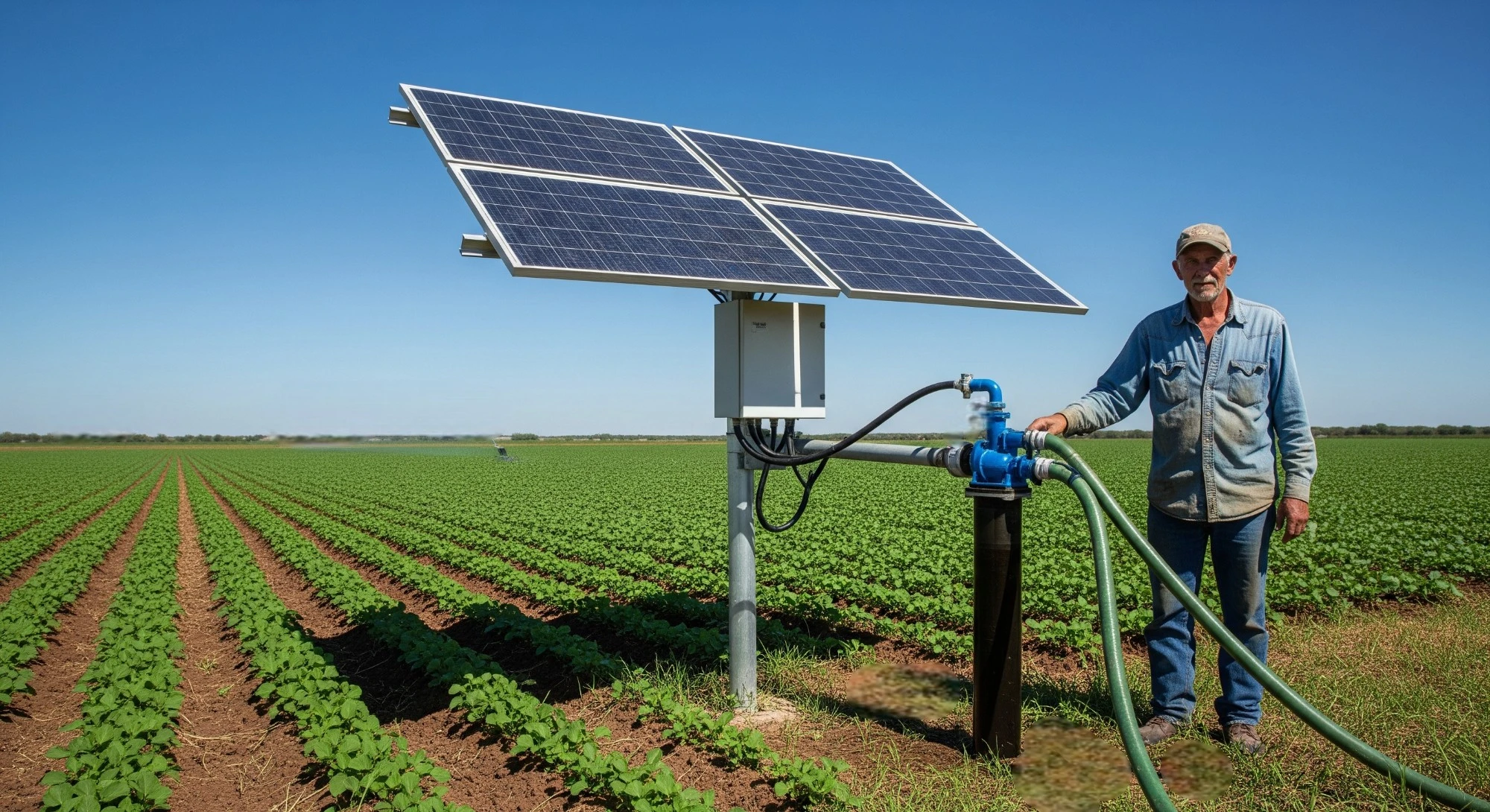
A solar water pump uses electricity from solar panels to move water. The system may draw water from a well, pond, tank, river, or storage basin. It can supply homes, livestock troughs, gardens, irrigation lines, and remote cabins.
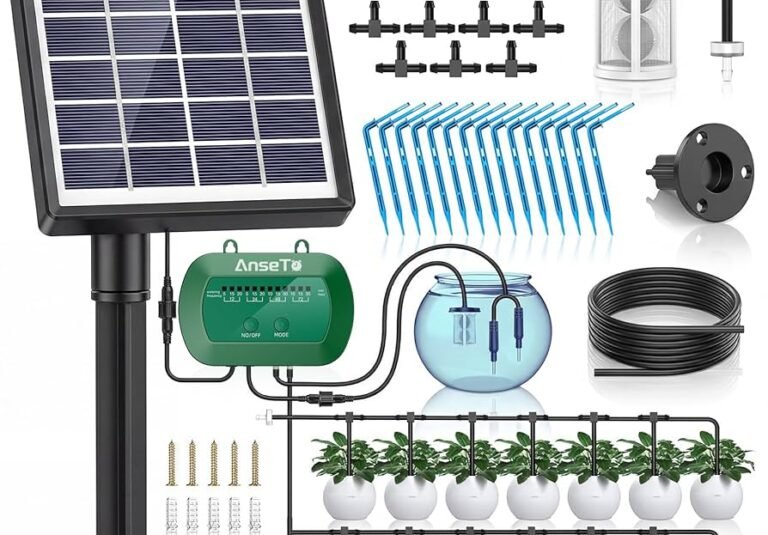
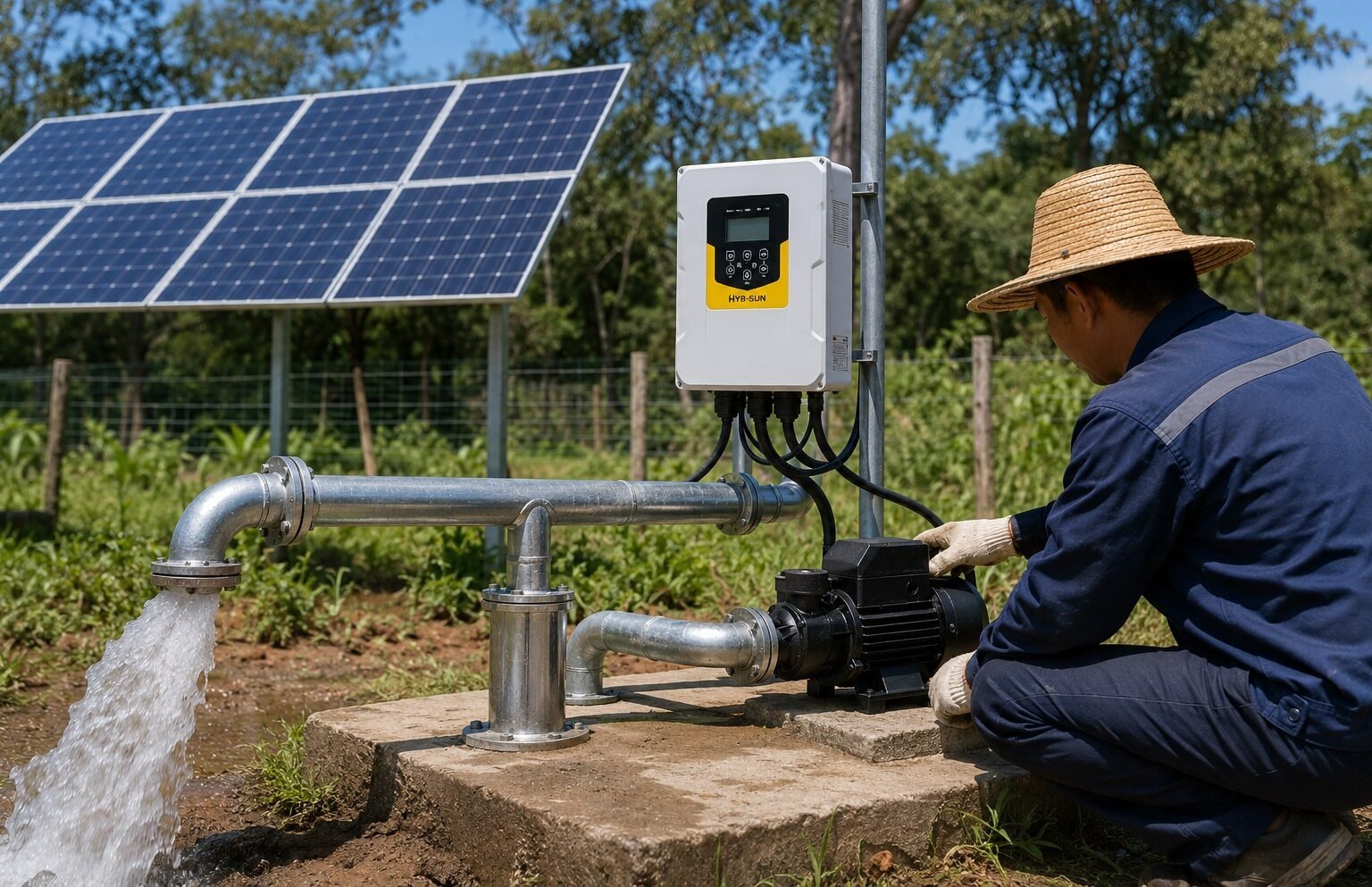
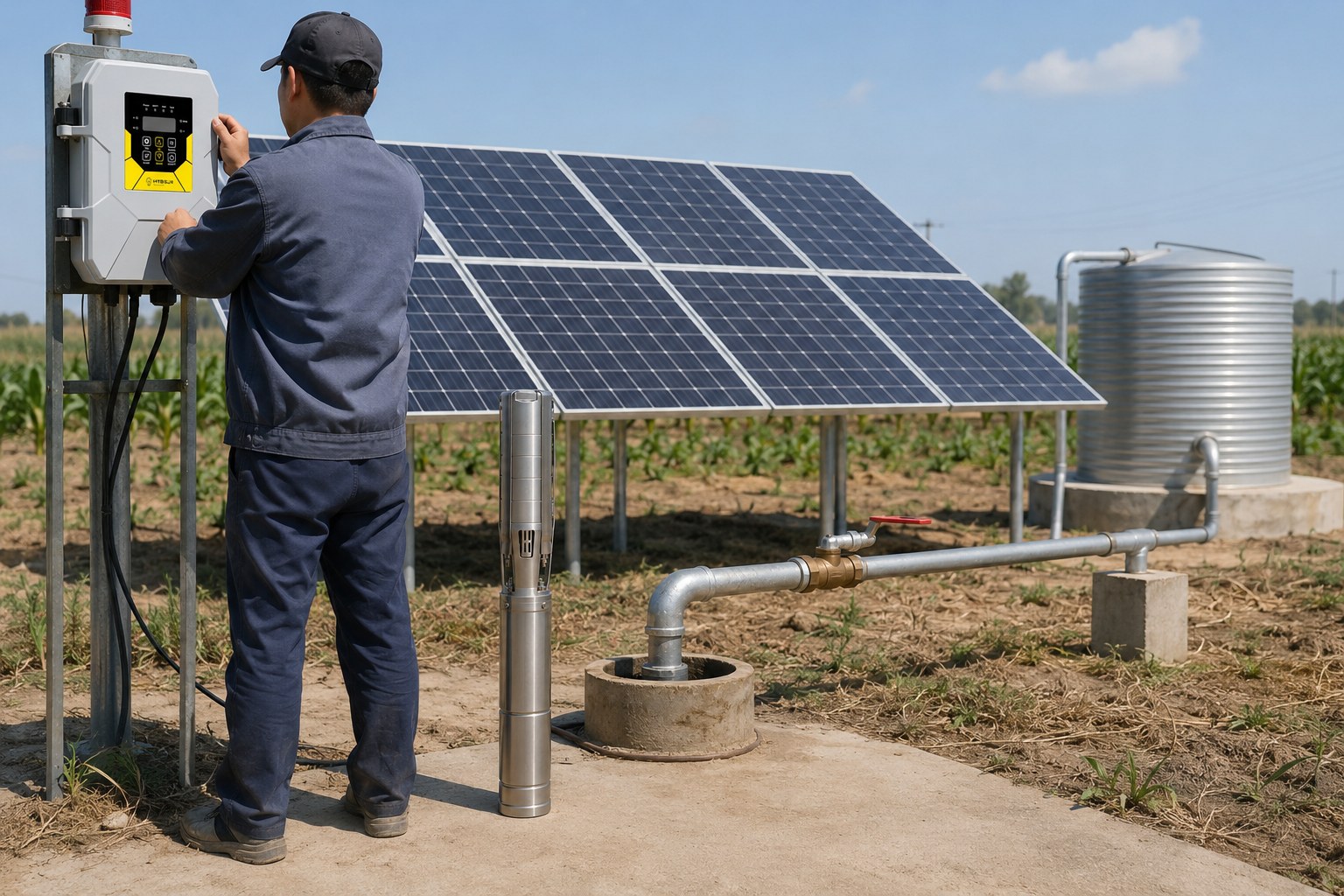
Most systems include:
• Solar panels that produce direct-current electricity
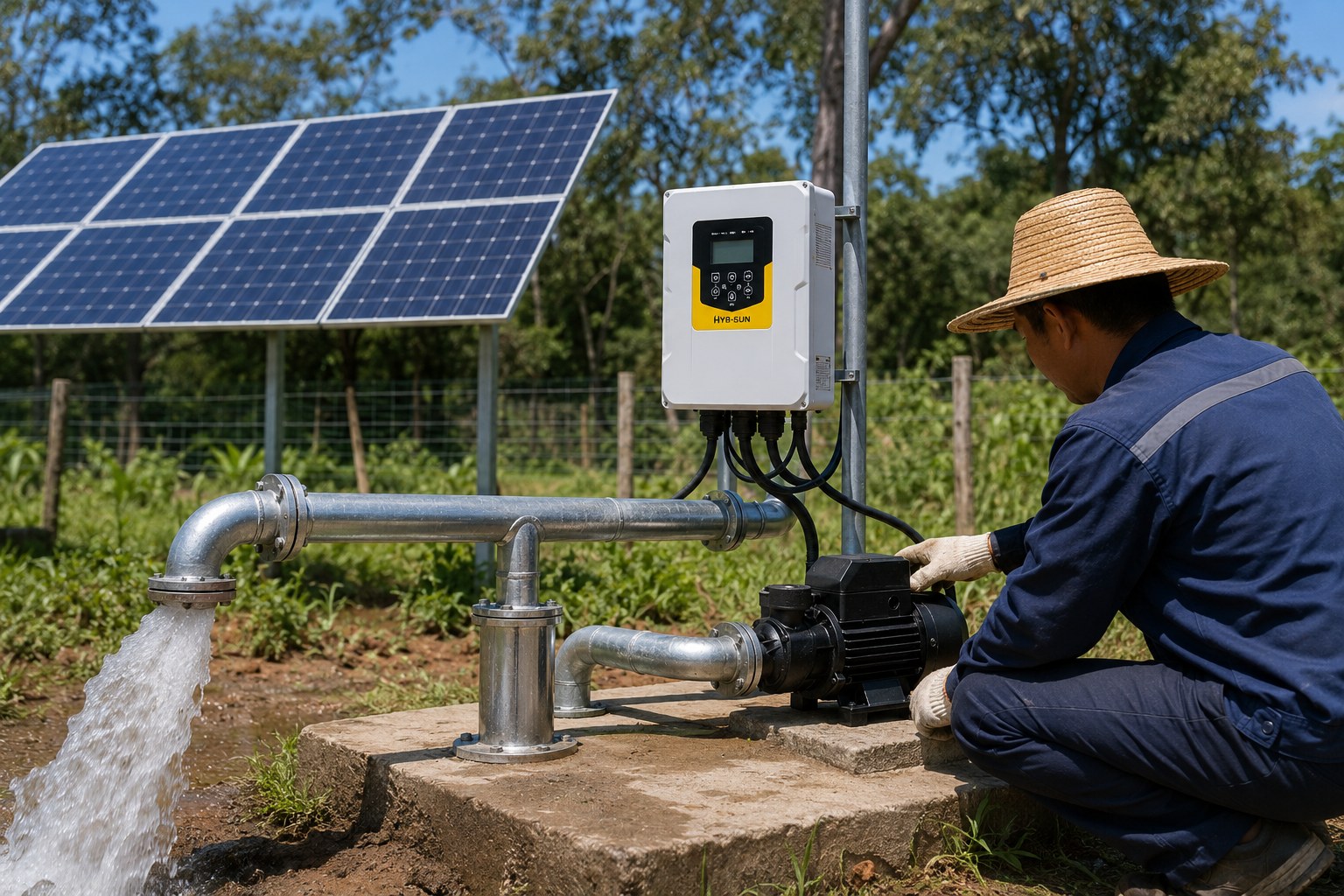
• A solar pump controller that manages power and protects the motor
• A submersible or surface pump
• Pipes, valves, and filters
• A water storage tank or pressure tank
• Batteries, if water must flow after sunset
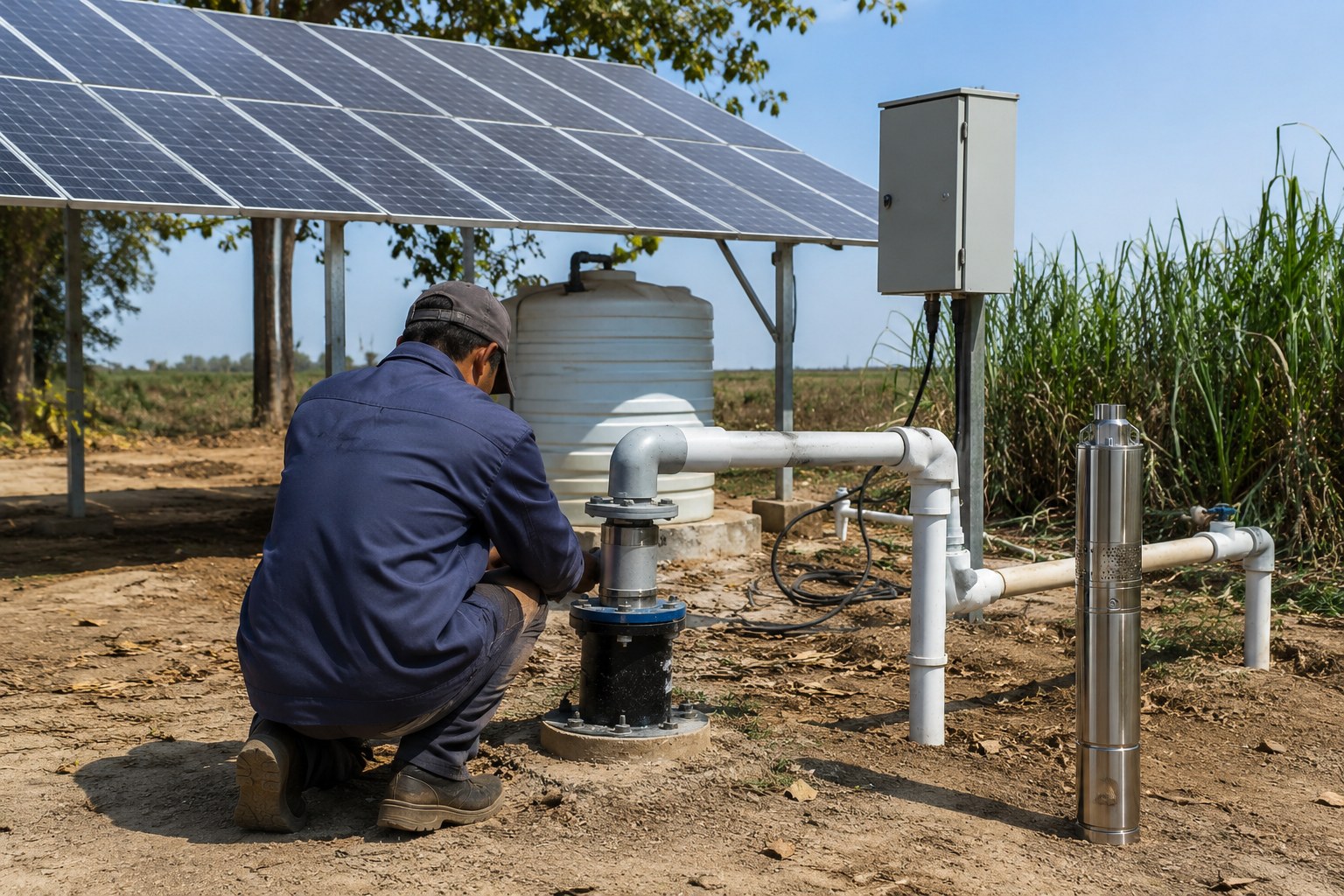
A submersible pump sits below the water level. It works well for deep wells because it pushes water upward from the source. A surface pump stays above the water and suits shallow wells, tanks, ponds, and open water sources.
The key idea is simple: sunlight powers the pump during the day, and stored water acts like a natural battery. In many cases, a large tank costs less and lasts longer than a large battery bank.
Source: hybsun.com
Are Solar Water Pumps Worth the Investment?
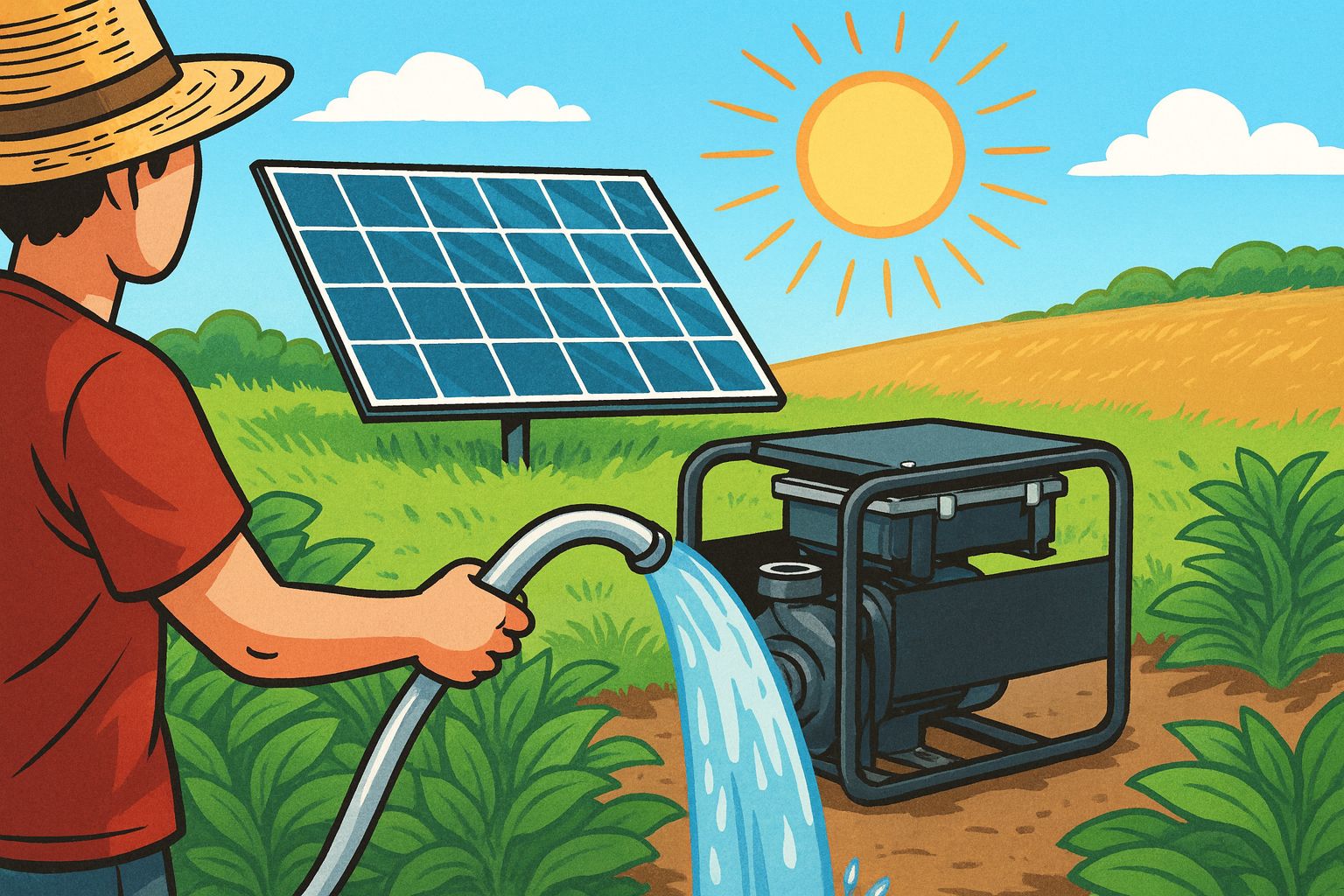
Solar water pumps are often worth the investment for sites with good sunlight, high fuel costs, or no reliable grid connection. They can reduce operating costs because sunlight is free after installation. They also need less routine care than many gas or diesel pump systems.
However, solar water pumps are not always the cheapest choice at the start. The panels, pump, controller, wiring, pipes, and installation can create a large upfront bill. A system with batteries will cost even more.
Solar water pumps tend to offer the strongest value when:
• The pump runs often
• Diesel or gasoline is expensive
• The site is far from the electric grid
• The water source is stable
• The area receives strong sunlight
• Water can be stored during sunny hours
• The system will operate for many years
They may offer less value when the pump runs only a few hours each month or when the site has frequent shade. A small electric pump may cost less if grid power is already available nearby.
In my experience reviewing water systems, the biggest mistake is choosing a pump before measuring water demand. People often focus on panel wattage or pump horsepower. Yet the real question is how much water the system must deliver, how high it must lift it, and when that water is needed.
A simple value test
Ask these questions before buying:
• How many gallons of water do you need each day?
• How deep is the well?
• How far must the water travel?
• How much vertical lift does the pump need?
• Does water need to flow at night?
• What fuel or electricity costs do you pay now?
• How much shade reaches the solar panels?
If the answers show steady demand and high energy costs, solar pumping may provide strong long-term value.
Source: rafsun.com
Main Benefits of Solar Water Pumps
Lower operating costs
Solar energy can replace gasoline, diesel, or grid electricity. Once the system is installed, the pump uses sunlight instead of purchased fuel. This can create major savings in remote areas where fuel delivery is costly.
A solar pump also avoids many costs linked to engine systems. There is no oil to change, spark plug to replace, or fuel tank to fill. The motor may still need service, but daily maintenance is usually simple.
Reliable water access in remote areas
A solar water pump can work far from power lines. This makes it useful for farms, livestock fields, disaster recovery sites, and rural homes.
Installing a long utility line can cost more than the solar pump itself. In that case, solar power is not only an energy choice. It is a practical way to reach water where grid power cannot.
Cleaner energy
Solar pumps produce no exhaust while operating. They can reduce carbon emissions compared with diesel and gasoline pumps. They also reduce the risk of fuel spills near wells, ponds, and soil.
The panels do require energy and materials to manufacture. Even so, the operating stage is clean, and solar panels can provide useful service for decades.
Less noise
Gas and diesel pumps can be loud. A solar pump runs with little noise, which helps near homes, schools, livestock areas, and wildlife habitats.
This small benefit can make a large difference. A quiet pump is easier to live with and less likely to disturb animals or neighbors.
Simple automation
Many solar pumping systems can use float switches, pressure sensors, and timers. These controls can stop the pump when a tank is full or water levels fall too low.
Good controls protect the pump and reduce waste. They also let the system run with less daily attention.
Source: hybsun.com
The Main Drawbacks to Consider
Solar water pumps have limits. Knowing them early helps prevent costly surprises.
High upfront cost
The initial cost may include:
• Solar panels
• Pump and motor
• Controller
• Mounting structure
• Electrical protection
• Pipe and fittings
• Storage tank
• Labor and site preparation
A simple shallow-water system may cost a few thousand dollars. A deep-well system with large water demand can cost much more. Prices vary by location, pump size, well depth, materials, and installation quality.
Output changes with sunlight
Solar pumps work best during bright daylight. Clouds, shade, dust, storms, and short winter days can reduce output.
This does not mean the pump stops every time a cloud appears. A well-designed system can still work in changing light. Yet you should plan for lower production during poor weather.
Batteries add cost and maintenance
Batteries allow pumping when sunlight is weak or absent. They can help maintain pressure at night. However, batteries add expense, weight, replacement needs, and safety concerns.
For many farms, storing water in a tank is a better choice. Water storage is simple, visible, and often cheaper than battery storage.
Repairs may require specialized parts
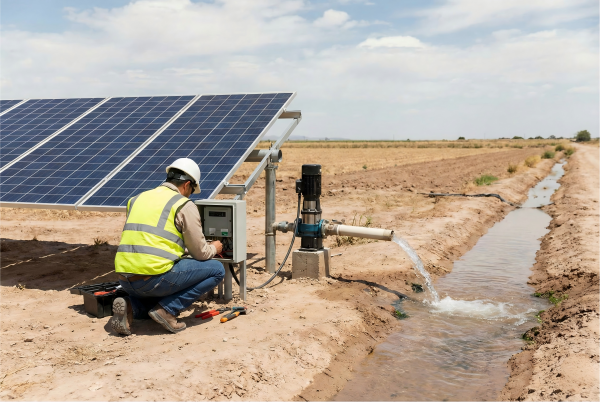
A solar pump controller or submersible motor may not be available at a local hardware store. Remote sites can face long wait times for parts or trained technicians.
Before installation, ask the supplier about warranties, replacement parts, and local service. A low-cost system is not a good deal if no one can repair it.
Water quality can damage equipment
Sand, silt, iron, and other minerals can harm pumps and valves. A well with heavy sediment may need a filter or a different pump design.
Test the water and inspect the well before selecting equipment. This step can prevent early motor failure.
Source: rafsun.com
How Much Do Solar Water Pumps Cost?
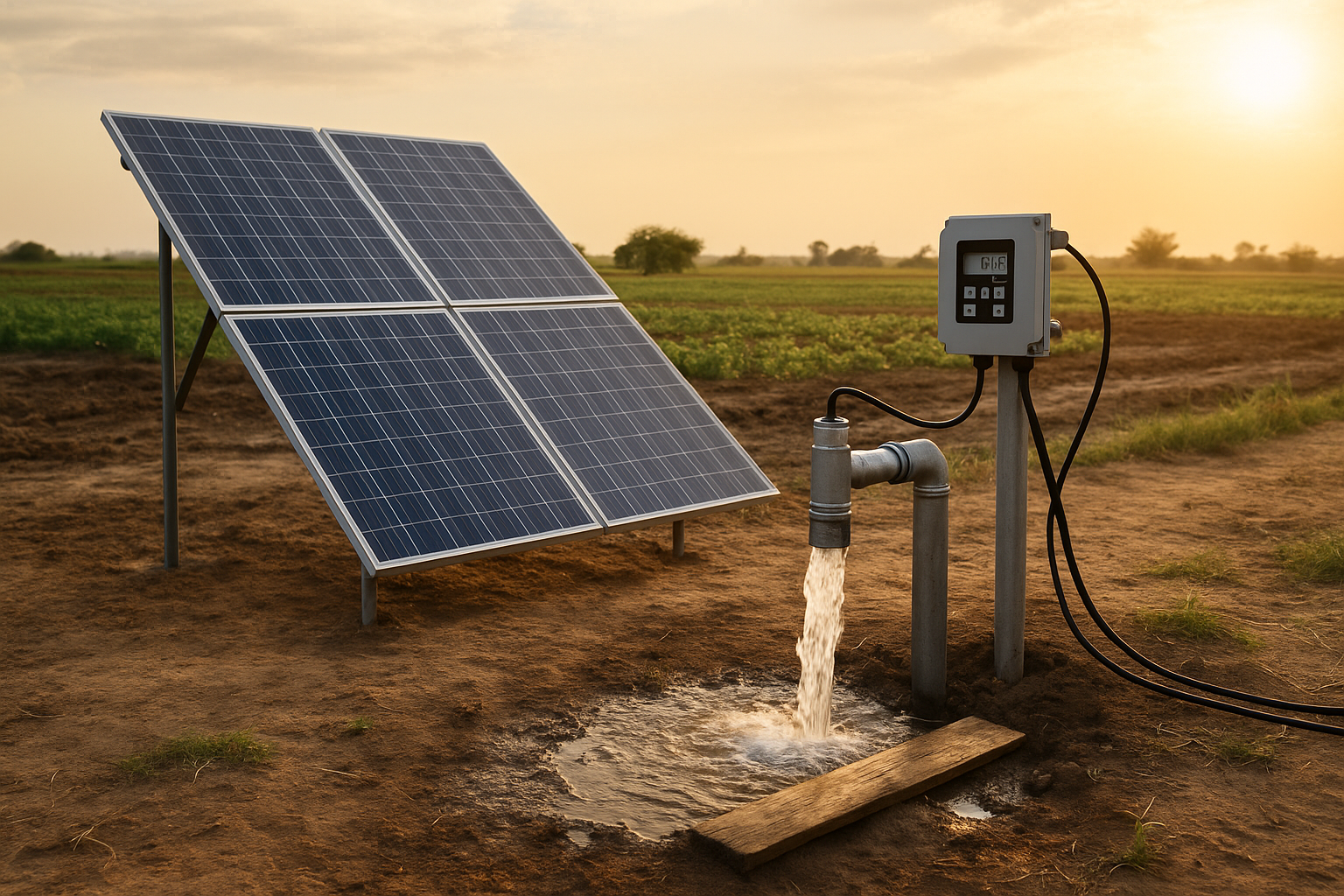
The cost of a solar water pump system depends on its water output and lift. A system for a garden is very different from one that fills a large livestock tank or irrigates several acres.
Typical cost groups include:
• Small pond or garden systems: often hundreds to a few thousand dollars
• Residential well systems: often several thousand dollars
• Livestock and farm systems: commonly several thousand to tens of thousands of dollars
• Large irrigation systems: potentially tens of thousands of dollars or more
These are broad planning ranges, not fixed quotes. Local labor, permits, shipping, trenching, well work, and tank size can change the final price.
A proper quote should list the pump’s total dynamic head. This means the vertical lift plus pipe friction and pressure needs. It should also show the expected gallons per minute and daily gallons under realistic sunlight.
Be careful with very cheap online kits. Some list a pump’s maximum flow but do not explain how much water it delivers at your well depth. A pump may move thousands of gallons per hour at zero lift but deliver very little water from a deep well.
What should a quote include?
Look for:
• Daily water output
• Flow rate at the required lift
• Solar panel wattage
• Controller type
• Tank or battery details
• Wire size and cable length
• Freeze protection
• Warranty terms
• Installation labor
• Maintenance instructions
A clear quote is easier to compare than a single price with no technical details.
Source: hybsun.com
Solar Water Pump Payback Period
The payback period shows how long it takes for savings to recover the initial cost. To estimate it, compare the solar system cost with the yearly cost of your current pump.
Use this basic formula:
Annual savings = current yearly energy and maintenance costs minus solar yearly maintenance costs
Payback period = solar system cost divided by annual savings
For example, imagine a diesel pump costs $2,400 each year for fuel, oil, and service. A solar system costs $12,000 and needs about $300 per year for inspections and minor repairs.
The estimated annual savings would be $2,100. The simple payback period would be about 5.7 years.
This example does not include financing, tax credits, pump replacement, inflation, or the value of reliable water. It is only a starting point.
Solar water pumps often have a working life of 10 to 25 years, depending on the pump, motor, controls, water quality, and maintenance. Solar panels commonly last for 25 years or more, though their output slowly declines over time.
A longer payback may still make sense if the system replaces difficult fuel deliveries or provides water during power outages. Financial payback is important, but it is not the only form of value.
Source: daltxrealestate.com
Solar Water Pumps for Different Uses
Home water supply
A home system needs steady pressure and safe water handling. It may require a storage tank, pressure tank, filtration, disinfection, and backup power.
A solar pump can supply a home well, but the system must meet local plumbing and electrical rules. Use certified equipment for drinking water.
Livestock watering
Solar water pumps work well for cattle, horses, sheep, and goats. A tank can store water during the day and provide access throughout the night.
Place the tank where animals can reach it without damaging the panels, pipes, or pump controls. Add protection against freezing in cold regions.
Garden and small farm irrigation
Solar pumping can support drip irrigation, sprinklers, and greenhouse systems. Drip irrigation often improves the value of solar pumping because it uses water slowly and efficiently.
Avoid sizing the system for wasteful irrigation. Better soil moisture control may reduce both pump size and panel size.
Large-scale irrigation
Solar irrigation can reduce fuel costs for farms. Yet large irrigation systems need careful design because they move a high volume of water over long periods.
The system may need a large array, variable-speed drive, elevated storage, and backup power. A professional assessment is wise before spending money.
Emergency and backup water
Solar pumps can provide water when storms or grid failures interrupt normal service. A tank makes the system more useful because stored water remains available after the sun goes down.
For emergency use, include manual valves and a backup method. Redundancy matters when water is essential.
Source: hybsun.com
How to Choose the Right Solar Pump
Selecting the right pump starts with water demand, not panel size.
Follow these steps:
- Measure daily water use. Include household needs, livestock, irrigation, and future growth.
- Measure the water level. Record the static and pumping water levels in the well.
- Calculate total lift. Add vertical height, pipe distance, friction, and required pressure.
- Check sunlight. Note shade from trees, buildings, and hills during the day.
- Choose storage. Decide whether a tank, battery, or backup generator will cover low-sun periods.
- Add protection. Use dry-run sensors, surge protection, filters, and freeze protection when needed.
- Confirm service support. Make sure parts and repair help are available.
A water professional can perform a pump test and calculate total dynamic head. This service is often cheaper than replacing an undersized or oversized system.
One lesson I have learned from water projects is that over-sizing is not always safer. A pump that is too large can cost more, cycle poorly, and waste water. A pump that is too small may never meet demand. Proper measurement beats guesswork.

Source: anernstore.com
Ways to Improve Solar Pump Performance
Good design can make solar water pumps more productive and affordable.
• Use a water tank instead of batteries when possible.
• Install panels where shade will not reach them during peak sun hours.
• Clean dust, leaves, and bird debris from panels.
• Use efficient pipes with the correct diameter.
• Repair leaks quickly.
• Match irrigation to soil and crop needs.
• Keep livestock away from panels and wiring.
• Install a low-water cutoff to prevent dry running.
• Inspect electrical connections at least once a year.
• Keep records of water output and pump behavior.
Water storage is especially important. Think of the tank as a savings account for sunlight. The pump deposits water during bright hours, and your home, animals, or crops withdraw it later.
Are Solar Water Pumps Worth the Investment in Cold or Cloudy Areas?
Solar water pumps can work in cold climates, but winter design needs extra care. Low temperatures do not stop solar panels from producing power. Snow cover, short days, frozen pipes, and reduced sunlight can limit the system.
Cloudy regions can also use solar pumping. The system may need more panels, a larger tank, a deeper water source, or backup power.
Before buying, review local solar data for every season. Do not size the system only for the best summer month. Plan for the lowest expected sunlight and the highest water demand.
A hybrid system may offer the best balance. Solar power can handle normal daytime pumping, while grid power or a generator supports long cloudy periods.
Common Mistakes to Avoid
The following mistakes can reduce savings and shorten equipment life:
• Buying based on horsepower alone
• Ignoring total dynamic head
• Using too little pipe
• Skipping water quality tests
• Placing panels in partial shade
• Relying on batteries without planning replacement costs
• Failing to store enough water
• Leaving livestock access to fragile equipment
• Choosing a supplier with no local support
• Expecting the pump to provide the same flow in every season
The best system is not always the biggest or cheapest. It is the system that delivers the right amount of water with a clear plan for low sunlight, repairs, and future demand.
Frequently Asked Questions About Are Solar Water Pumps Worth the Investment?
Are solar water pumps worth the investment for a home?
They can be worth it when the home is off-grid, fuel costs are high, or grid connection would be expensive. A professional should confirm water quality, pressure, storage, and local code requirements before installation.
How long does a solar water pump last?
Many solar pumps can operate for 10 to 20 years with proper care, while solar panels may last 25 years or more. Sand, poor wiring, dry running, and extreme cycling can shorten the pump’s life.
Do solar water pumps work at night?
A direct solar pump usually works best during daylight and may stop at night. A storage tank, battery bank, grid connection, or generator can provide water after sunset.
Can a solar water pump work on cloudy days?
Yes, but its flow may drop when sunlight is weak. Extra panel capacity, water storage, or backup power can help maintain a dependable supply.
Is solar pumping cheaper than diesel pumping?
Solar pumping often costs less to operate because it does not need daily fuel. The total financial benefit depends on the purchase price, water demand, diesel cost, maintenance, and system life.
Do solar water pumps need batteries?
No. Many systems pump water into a tank during the day and use that stored water later. Batteries are useful when electrical power is needed at night, but they add cost and replacement needs.
Conclusion
Are solar water pumps worth the investment? They can be an excellent choice when you need reliable water in a sunny area and want to reduce fuel or grid costs. Their strongest benefits include low operating expenses, quiet operation, simple automation, and dependable service in remote locations.
The most important step is proper sizing. Measure water demand, well depth, total lift, sunlight, storage needs, and seasonal conditions before choosing equipment. A tank, efficient pipes, and a trusted installer can make the difference between a smooth investment and an expensive mistake.
If you are comparing solar water pumps, collect at least two detailed quotes and ask each provider to show daily water output at your actual lift. Review the design carefully, then choose the system that delivers dependable water for years—not merely the lowest starting price.