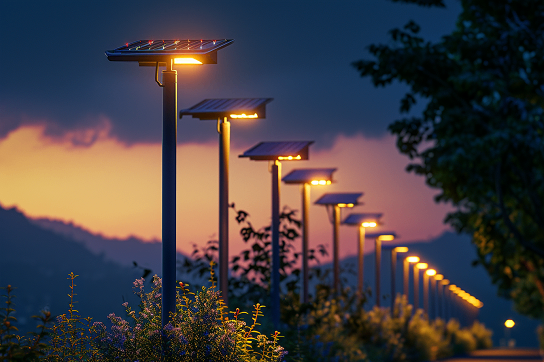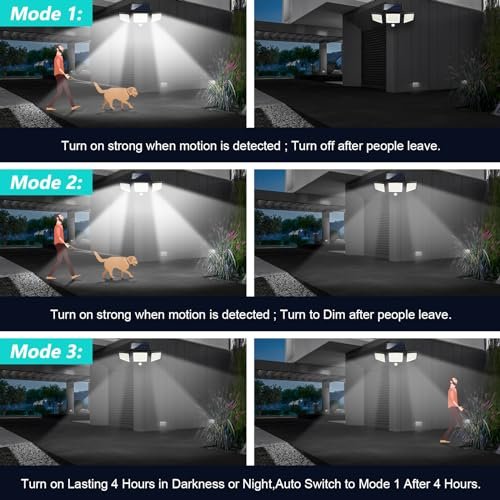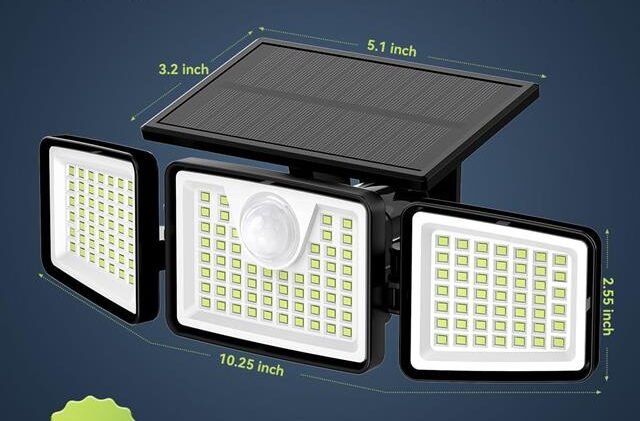
Are Solar Motion Lights Waterproof And Weatherproof: Yes?
Most solar motion lights are weatherproof, but only models with a suitable IP rating are truly waterproof.
Are solar motion lights waterproof and weatherproof? The answer depends on their seals, housing, charging panel, and certified IP rating. After checking outdoor lights in rain, heat, dust, and winter weather, I have found that the rating matters far more than marketing words such as “all-weather.” This guide explains what to look for, where these lights fail, and how to help them last.
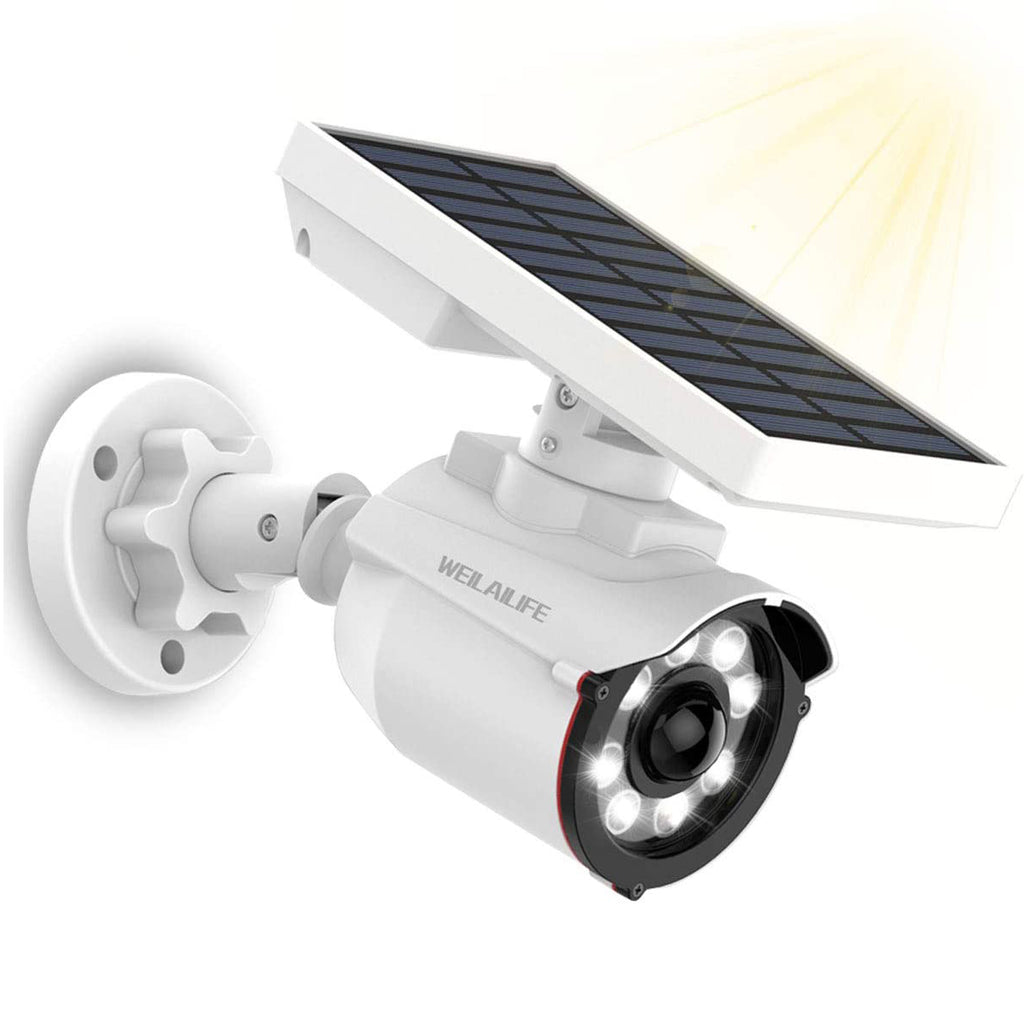
Are solar motion lights waterproof and weatherproof?
Yes, many solar motion lights are built for outdoor use. However, “waterproof” and “weatherproof” do not always mean the same thing.
A weatherproof light can handle normal outdoor conditions, such as rain, wind, sunlight, and dust. A waterproof light offers stronger protection against water entering the housing. Even then, no light should be treated as indestructible or safe to submerge unless the manufacturer clearly says so.
The most reliable way to judge outdoor protection is the IP rating. IP stands for Ingress Protection. This rating shows how well an enclosure blocks solid objects and water.
For example:
• IP44 protects against objects larger than 1 millimeter and water splashes from all directions.
• IP54 adds better dust protection and can handle water spray.
• IP65 provides dust-tight protection and resistance to water jets.
• IP66 provides dust-tight protection and stronger water-jet resistance.
• IP67 protects against dust and temporary immersion in water.
A solar motion light with an IP65 or IP66 rating is often a good choice for exposed walls, driveways, patios, and gardens. Still, installation matters. A strong light can fail if water collects around the battery cover, enters a loose cable port, or flows into an unsealed screw hole.

What makes a solar motion light waterproof?
Several parts work together to protect a solar motion light from water and weather. Think of the light as a small outdoor home. The casing is its roof, the rubber seals are its doors, and the drainage paths are its gutters.
Sealed housing
Most outdoor solar lights use plastic, aluminum, or a mix of both. A tight housing keeps rain away from the circuit board, battery, and sensor.
Plastic is light and does not rust. Aluminum can provide better strength and heat control, but it may corrode if its coating is damaged. In both cases, look for a solid body with no large gaps or weak joins.
Rubber gaskets
Rubber gaskets sit around battery doors, lenses, and cable openings. They create a barrier against moisture.
These seals can become brittle due to sunlight, freezing temperatures, or age. A light that was weatherproof when new may lose protection after years of exposure. Check the gasket when replacing the battery or opening the housing.
Sealed lens and sensor
The LED lens and motion sensor need protection from rain. A cloudy or cracked lens may allow water inside. A loose sensor cover can also cause false triggers or stop the light from detecting movement.
A good design keeps the sensor clear while placing it under a small hood. This hood works like an umbrella and reduces direct exposure to rain.
Protected solar panel
The solar panel is usually sealed under glass or clear plastic. It can handle rain, but water may still enter through a cracked panel or damaged edge.
The panel should slope slightly so rain can run off. If it sits flat, water, leaves, and snow may remain on top for hours.
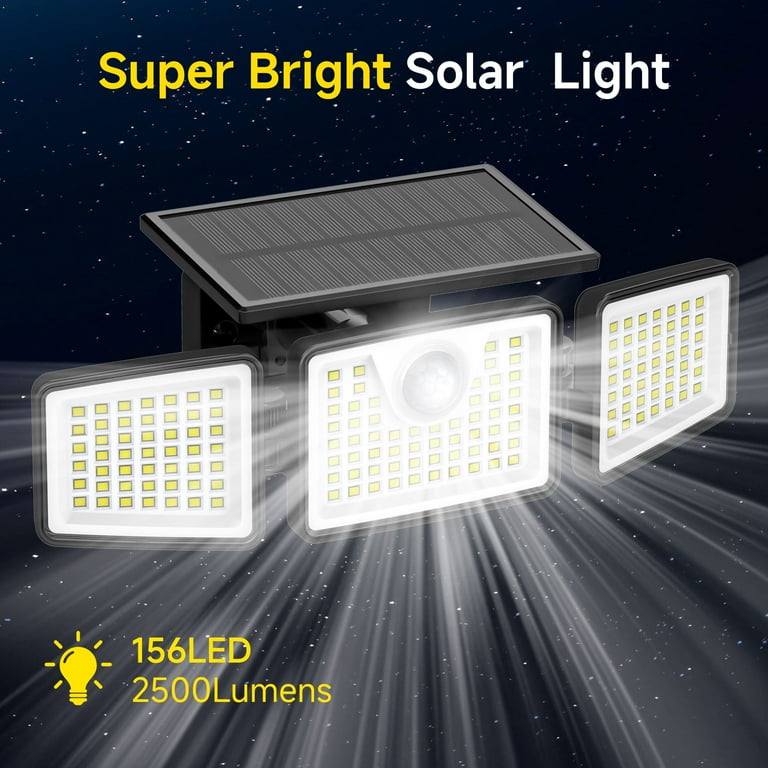
What is the difference between waterproof and weatherproof?
The terms sound alike, but they describe different levels of protection.
Weatherproof usually means a product can remain outdoors and resist common weather. It may handle rain, wind, dust, heat, and cold within stated limits. It does not always mean the product can withstand heavy spray or standing water.
Waterproof suggests stronger resistance to water. Yet the word has no single universal meaning unless it is supported by a test standard or IP rating.
When asking, “Are solar motion lights waterproof and weatherproof?” avoid relying on the word “waterproof” alone. Check:
• The exact IP rating
• The permitted temperature range
• Whether the battery compartment is sealed
• Whether the solar panel is separate or built into the light
• Whether the warranty covers water damage
• Whether the light is designed for sheltered or fully exposed locations
An IP rating is helpful, but it has limits. It describes specific laboratory tests. It does not promise protection from every storm, flood, impact, or installation mistake.

Can solar motion lights stay outside in rain and snow?
Most quality solar motion lights can stay outside in rain. Many can also handle snow, frost, and light ice if they have an IP65 or higher rating and a suitable temperature range.
Heavy snow can create two problems. First, it may cover the solar panel and stop charging. Second, melting snow can enter weak seams as it freezes and expands. Snow should be brushed away gently with a soft cloth or brush.
Do not knock ice from the light. A hard impact can crack the lens or loosen the seal. Also avoid pouring hot water over frozen parts because sudden temperature changes may damage glass or plastic.
For cold climates, check the battery type. Lithium-ion batteries often work well across a broad temperature range, but extreme cold still reduces runtime. Nickel-metal hydride batteries may also lose capacity in freezing weather.
In hot areas, direct sun can heat the battery and housing. A light may still work, but high heat can shorten battery life. Place the unit where it receives strong sun while avoiding unnecessary heat from reflective walls or metal surfaces.

How weather affects solar motion light performance
Weather does more than expose the light to water. It also affects charging, motion detection, battery life, and brightness.
Rain and cloudy skies
Rain does not usually harm a well-sealed unit, but cloudy weather reduces solar charging. Several dark days may leave the battery with too little power for the full night.
This is normal. Solar lights store energy during the day, so their performance depends on both sunlight and battery capacity.
Dust and sand
Dust can cover the panel and reduce charging. Fine sand may also enter small gaps if the housing is poorly sealed.
Clean the panel every few weeks with a damp, soft cloth. Do not use abrasive pads or strong cleaners.
Wind
Wind itself does not damage a sealed light, but it can loosen mounting screws. A loose light may shake, point away from the target area, or let water reach a joint.
Tighten the mounting hardware after severe weather. Avoid overtightening plastic parts, since this can crack the housing.
Humidity and condensation
Condensation inside the lens is a warning sign. A small amount may disappear as temperatures change, but repeated fogging often points to trapped moisture or a damaged seal.
If water droplets remain inside, turn off the light if possible and let it dry in a safe place. Continued use can corrode the circuit board.

Where should you install a weatherproof solar motion light?
Good placement can improve both weather protection and battery performance. It also helps the motion sensor work as intended.
Use these installation tips:
-
Install the light on a solid wall, fence, post, or eave.
-
Aim the solar panel toward the strongest available sunlight. In the United States, a south-facing position often receives useful light, but the best direction depends on shade and location.
-
Keep the panel away from tree cover, roof shadows, and nearby walls that block afternoon sun.
-
Angle the light slightly downward so rain runs off instead of pooling on the lens or housing.
-
Avoid placing the light where sprinklers spray it every day.
-
Keep the motion sensor away from busy roads if passing cars may trigger it.
-
Leave enough space around the unit for air movement and battery access.
-
Seal wall holes with outdoor-rated sealant when the design requires it.
One mistake I often see is mounting the light under a roof edge where rain cannot reach it, but sunlight cannot reach the panel either. The light stays dry yet fails because the battery never gets a full charge. Protection and sunlight must be balanced.
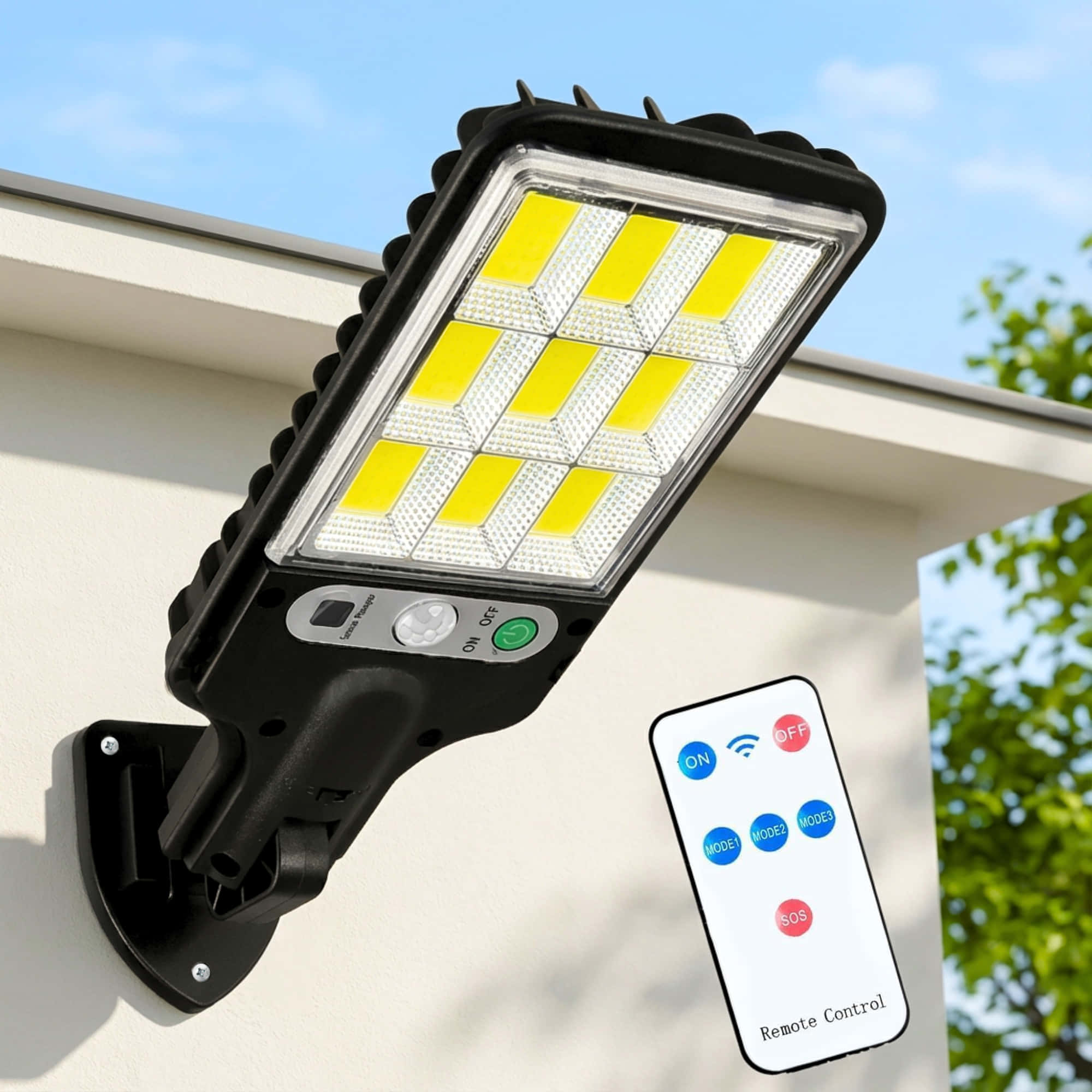
How to tell if a solar motion light is truly weatherproof
Product listings can use broad claims. A careful buyer should look for measurable details.
Check the IP rating
Choose at least IP44 for sheltered areas. For open outdoor locations, IP65 or higher is usually a safer choice. IP67 may be useful where temporary water exposure is possible, but it does not automatically make the light suitable for permanent flooding.
Inspect the battery door
The battery door is one of the most common weak points. Look for a tight screw closure, a rubber gasket, and a design that keeps the battery compartment away from direct rain.
Read the manual
The manual should state whether the light can remain outside year-round. It may also list temperature limits, charging instructions, cleaning advice, and battery replacement steps.
Review the warranty
A useful warranty may cover defects, battery problems, or water intrusion. Read the exclusions carefully. Some warranties do not cover damage from storms, flooding, incorrect installation, or unauthorized repairs.
Look at construction quality
Avoid lights with:
• Cracked plastic
• Loose lenses
• Uneven seams
• Exposed circuit boards
• Poorly fitted battery covers
• Rust-prone screws
• A solar panel that moves in its frame
A lower price does not always mean poor quality. But very cheap lights may use thinner seals, smaller batteries, and weaker mounting parts.

Common reasons solar motion lights stop working after rain
Even when a product is advertised as weatherproof, several issues can cause failure.
• The light has a low IP rating and was installed in a fully exposed area.
• A battery cover was not closed correctly after replacement.
• The housing was cracked by impact, ice, or heat.
• A mounting screw created an unsealed path for water.
• The solar panel seal failed after long sun exposure.
• Water entered through a cable connection.
• The light was placed under a sprinkler or near a drainage outlet.
• Condensation formed inside the housing.
If the light fails after rain, inspect it before buying a replacement. Look for corrosion, water marks, a swollen battery, or a fogged lens. Do not use a swollen or damaged rechargeable battery. Replace it with the exact battery type and voltage recommended by the manufacturer.
Never place a wet electrical unit indoors while it is still connected or charging. Disconnect it, allow it to dry fully, and follow the product instructions.
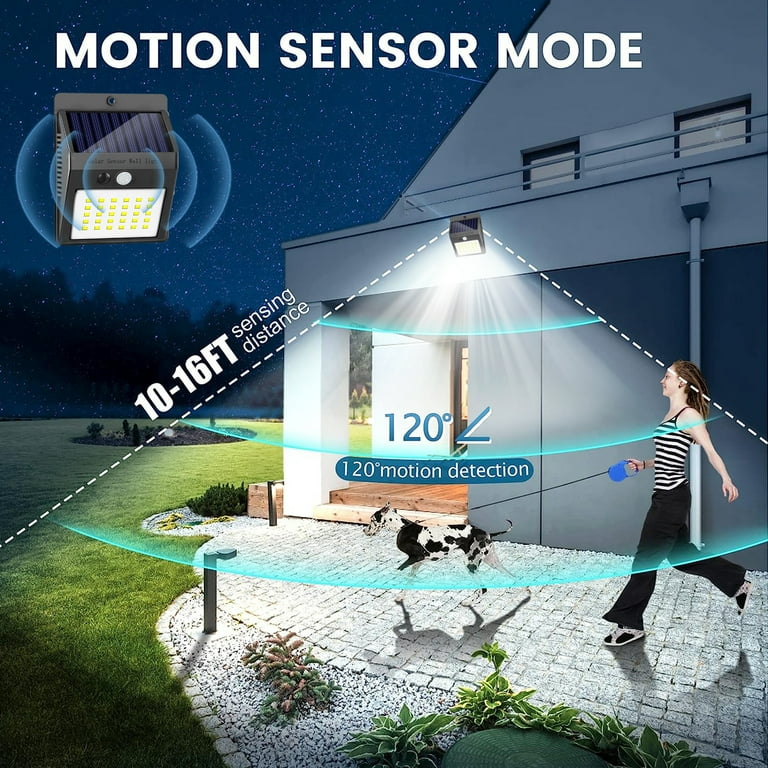
How to maintain waterproof solar motion lights
Maintenance is simple, but it can extend the life of the light.
Clean the solar panel with a soft, damp cloth. Dirt, bird droppings, and pollen can block sunlight. Clean the lens too, since a dirty lens can reduce brightness.
Inspect the housing twice a year. Check for cracks, loose screws, peeling seals, and rust. It is wise to do this before the rainy season and before winter.
Keep plants from touching the light. Wet leaves can hold moisture against the housing and block both the sensor and panel.
Replace the rechargeable battery when runtime becomes much shorter. A worn battery may make the light appear defective even when the LEDs and solar panel still work.
Avoid spraying the light with a pressure washer. Even a high-rated IP65 light may not be designed for close, high-pressure spray. A garden hose can also exceed the conditions used in the product’s water test.
The practical answer to “Are solar motion lights waterproof and weatherproof?” is that care matters almost as much as the original rating. A sealed light can last for years when installed well. A poorly placed light can fail in one season.
Are solar motion lights worth using outdoors?
Solar motion lights are useful when you want light without wiring or a large electric bill. They work well for walkways, sheds, garages, side gates, porches, and driveways.
Their main benefits include:
• Simple installation
• No trenching or electrical wiring
• Automatic operation at night
• Low running cost
• Added visibility near doors and paths
• Useful light during power outages
They also have limits. Brightness may fall after several cloudy days. Motion sensors can trigger from pets, tree branches, or passing traffic. Battery performance can decline after repeated charge cycles.
For a large yard or security-sensitive area, a wired light may provide more consistent output. Solar motion lights are best for targeted areas where installation is difficult and occasional changes in brightness are acceptable.
They should not replace a complete security system. A light can improve visibility, but it does not prevent crime by itself. Use strong locks, cameras, alarms, and safe outdoor habits when needed.
Frequently Asked Questions About Are Solar Motion Lights Waterproof and Weatherproof?
Are solar motion lights safe to leave outside in the rain?
Yes, if the light is designed for outdoor use and has a suitable IP rating. An IP65 or higher model is generally better for open, exposed areas than an unrated or indoor-only light.
Can solar motion lights get wet?
Outdoor solar motion lights can usually get wet from rain, mist, and normal splashes. They should not be submerged or placed where water regularly pools unless the manufacturer specifically approves that use.
What IP rating is best for solar motion lights?
IP65 is a strong starting point for most exposed outdoor locations. IP66 offers greater resistance to water jets, while IP67 adds protection against temporary immersion.
Can solar motion lights work in snow?
Many can work in snow if the housing and battery are rated for the local temperature. Remove snow from the panel with a soft brush and do not chip frozen ice from the lens.
Why does water collect inside my solar motion light?
Water inside the lens may result from a cracked housing, a loose battery cover, a failed gasket, or repeated temperature changes. Dry the unit safely and inspect the seals before using it again.
Do waterproof solar motion lights work after several cloudy days?
They may, but brightness and runtime can drop because the battery receives less energy. A larger panel, a higher-capacity battery, and occasional direct sunlight can improve performance.
Can I wash a solar motion light with a hose?
Use a damp cloth instead of a hose whenever possible. Direct or high-pressure water can force moisture past seals, even on a light with a high IP rating.
Conclusion
So, are solar motion lights waterproof and weatherproof? Many are, but the answer depends on the IP rating, build quality, installation, and care. Choose an outdoor-rated model, look for IP65 or higher in exposed areas, protect the battery compartment, and keep the solar panel clean.
A weatherproof solar light is a helpful outdoor tool, not a waterproof guarantee for every situation. Check the specifications before buying, install it where it gets both sunlight and shelter, and inspect it before harsh weather arrives. Use these tips to choose with confidence, and explore more outdoor lighting guides before making your purchase.