Solar Motion Light: Best Location For Installation
The best location to install a solar motion light is a sunny, high point aimed at key entry areas without glare or false triggers.
Choosing the best location to install a solar motion light can improve safety, visibility, and energy use at the same time. The right spot must receive enough sunlight, cover the path people use, and keep the motion sensor clear of heat, traffic, and moving branches. This guide explains how to choose that spot and avoid common installation mistakes.
What Makes a Location Good for a Solar Motion Light?
The best location to install a solar motion light balances three needs: sunlight, coverage, and stability. The light needs direct sun to charge its battery, while the motion sensor must detect people before they reach the area you want to protect.
A good location usually has these features:
• Direct sunlight for several hours each day
• A clear view of the walkway, doorway, driveway, or stairway
• A solid wall, post, or beam for mounting
• Little movement from trees, flags, curtains, or hanging items
• Enough height to reduce tampering
• No bright light shining directly into the sensor or camera
Think of the light as a small outdoor security team. The solar panel gathers energy, the sensor watches for movement, and the lamp responds when someone enters its range. If one part is poorly placed, the whole system works less well.
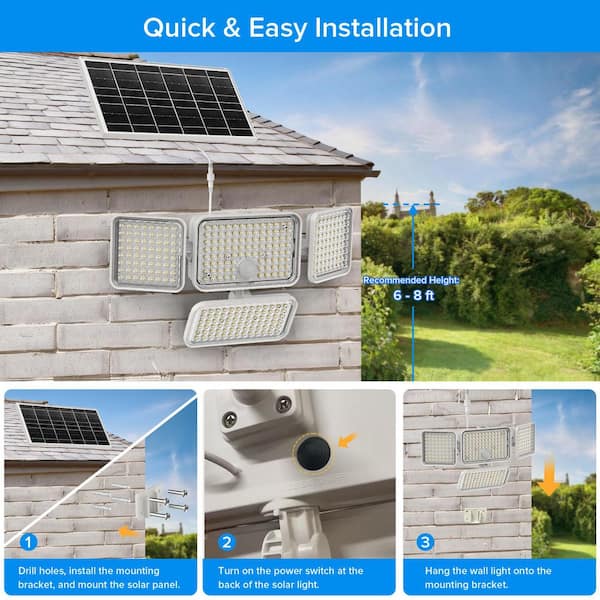
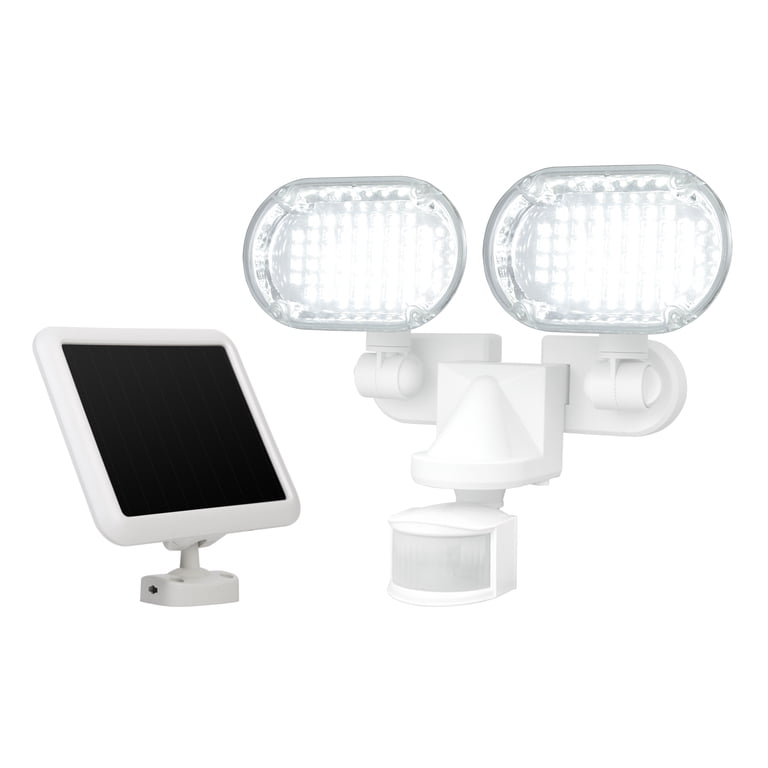
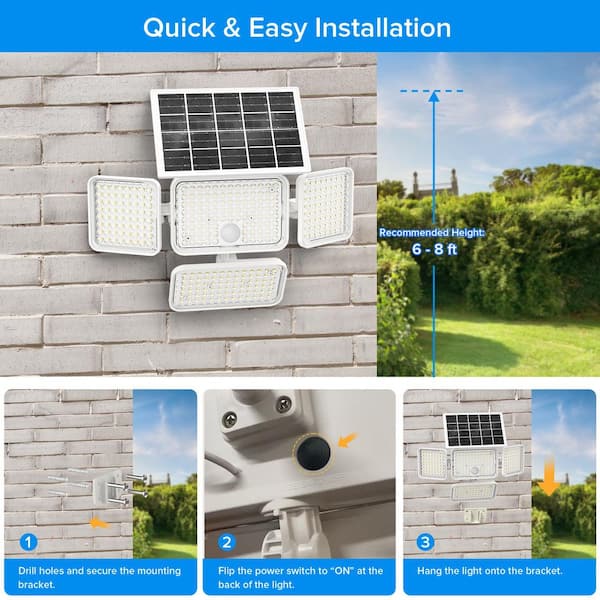
In most homes, the best location to install a solar motion light is about 6 to 10 feet above the ground. This height gives the sensor a wide view while keeping the unit out of easy reach.

Best Places to Install a Solar Motion Light
Front door and porch
The front door is one of the most useful locations. A light here can illuminate the lock, steps, visitors, and packages. Mount the unit above or beside the door, but do not point the sensor directly at the street.
A side angle often works better than a straight-on position. People walking across the sensor’s field of view create a stronger motion signal than people walking directly toward it.
If your porch has a roof, check whether it blocks sunlight. A separate solar panel with a cable may be a better choice than a built-in panel.
Back door
A back door often has less natural light and less foot traffic than the front entrance. This makes it a strong candidate for a solar motion light.
Install the light where it covers the door, nearby steps, and the path leading to the yard. Keep the sensor away from a dryer vent, outdoor heat pump, or other source of warm air. Sudden temperature changes can cause false triggers.
Driveway and garage
A driveway light can help you see cars, packages, tools, and people approaching the garage. The best location to install a solar motion light near a driveway is usually on the garage wall or a nearby post.
Aim the sensor across the driveway rather than straight down its length. This setup helps detect a person moving sideways through the sensor zone.
Avoid aiming the lamp toward a driver’s eyes. Bright glare can make it harder to see while reversing or turning into the driveway.
Walkways and side paths
Side paths are common blind spots. They may connect the front yard to a backyard gate, shed, or basement entrance.
Mount the light at the path entrance or near the midpoint. If the path is long, two lower-powered lights may work better than one bright lamp. Overlapping light can create better coverage and fewer dark areas.
Stairs and steps
Stairs need even light, not harsh light from one angle. Install the light above the steps or on a nearby wall so the beam reaches each tread.
Do not place the lamp where its shadow hides the edge of a step. Test the light at night and walk up and down the stairs. This simple check can reveal glare, shadows, or weak coverage.
Gates and fences
A gate is a natural entry point and a useful place for motion lighting. Install the unit on a sturdy post or wall near the gate, with the sensor aimed toward the approach.
Make sure the gate does not swing into the sensor’s view. Repeated movement from the gate can trigger the light when no one is present.
Sheds, workshops, and trash areas
Solar motion lights can improve visibility around sheds, workshops, and trash bins. These areas often lack wiring and may sit away from the main house.
Choose a spot with a clear view of the door and surrounding ground. Keep the panel away from the shed roof’s shadow if possible.

How Much Sunlight Does a Solar Motion Light Need?
Most solar motion lights perform best with several hours of direct sunlight each day. The exact amount depends on the panel size, battery capacity, weather, and how often the light activates.
Place the solar panel where it can receive strong midday sun. In the United States, a south-facing position often receives the most sunlight, but the best direction depends on your location and nearby buildings.
Check the area at different times of day before drilling. A spot that looks sunny at 10 a.m. may be shaded by a roof, tree, or wall by early afternoon.
Avoid these problems:
• Dense tree cover
• North-facing walls with little direct sun
• Deep porch ceilings
• Tall fences that shade the panel
• Nearby buildings that block winter sunlight
Seasonal changes matter too. The sun sits lower in the sky during winter. A panel that works well in summer may receive much less energy when leaves fall or shadows grow longer.
If the light has a separate panel, place the lamp where it gives the best coverage and place the panel where it gets the best sun. This is often the most flexible solution.

The Right Mounting Height and Angle
A mounting height of 6 to 10 feet works well for many residential solar motion lights. Follow the product manual because sensor range and beam angle vary by model.
A light mounted too low can be easy to steal or damage. It may also detect pets, children, or passing objects too often. A light mounted too high may lose detail and fail to detect movement near the ground.
Angle the sensor slightly downward toward the area you want to monitor. Do not point it at the sky, a busy road, or a large reflective surface.
For best results:
-
Mount the unit securely on a firm surface.
-
Aim the sensor across the expected walking path.
-
Adjust the detection range to cover the target area.
-
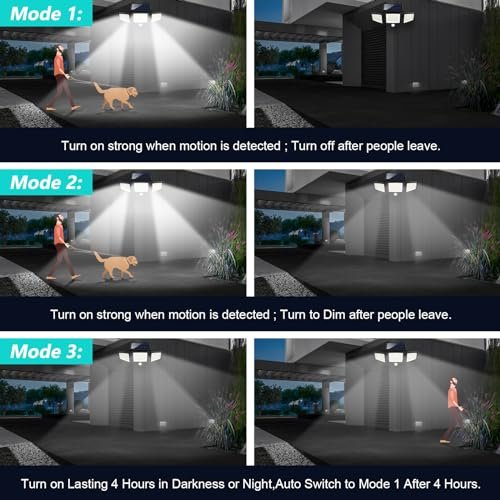
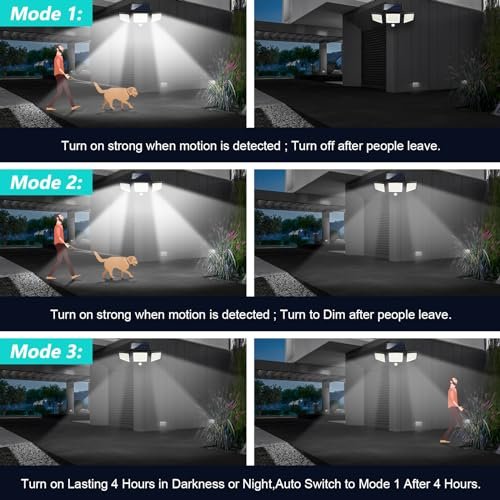
Set the light duration to a practical time, such as 30 seconds to 2 minutes.
-
Test the sensor at night from several directions.
The best location to install a solar motion light is not always the highest point. It is the point that gives useful coverage without creating glare or wasted activation.
How to Prevent False Motion Triggers
False triggers can drain the battery and make a light seem unreliable. They often happen when the sensor detects movement from animals, plants, vehicles, or hot air.
Keep the sensor away from:
• Tree branches and tall grass
• Flags, wind chimes, and loose decorations
• Roads with heavy traffic
• Air-conditioning units and dryer vents
• Reflective windows and shiny walls
• Areas where pets regularly walk
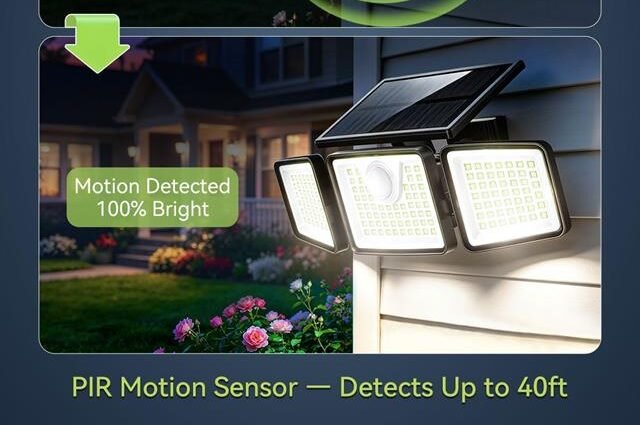
Passive infrared, or PIR, sensors detect changes in heat and movement. They do not identify people. A warm animal, a car engine, or sunlight moving across a hot wall may activate the light.
Use the sensor controls if your model includes them. Reduce sensitivity when the light activates too often. You can also adjust the detection zone or place a small shield around part of the sensor, as long as the manufacturer allows it.
One lesson learned from many outdoor lighting setups is that a wider detection zone is not always better. A narrow, focused zone often gives more useful alerts and preserves battery power.

Should the Solar Panel Face South?
In the northern hemisphere, a south-facing solar panel often receives strong daily sunlight. However, direction is only one part of the decision.
A panel facing east may work well if the area gets clear morning sun. A west-facing panel may be useful when afternoon shade is a problem. The panel should face the brightest open part of the sky, not simply follow a compass direction.
In the southern hemisphere, north-facing panels often receive more sunlight. Local weather, roof lines, trees, and seasonal sun paths still matter.
Do not place the panel based on direction alone. Watch the proposed location for a full day if possible. Real shadows are more useful than guesswork.
Clean the panel several times a year. Dust, pollen, bird droppings, and snow can reduce charging performance. Use a soft, damp cloth and follow the care instructions for the product.
Common Installation Mistakes to Avoid
The best location to install a solar motion light can fail if the installation itself is rushed. Small errors can reduce battery life, coverage, and durability.
Avoid these common mistakes:
• Installing the panel under a roof overhang
• Mounting the light where a tree blocks the sensor
• Pointing the sensor toward a busy street
• Installing too close to a heat source
• Aiming the lamp into a neighbor’s window
• Using weak screws on brick, siding, or masonry
• Ignoring water exposure and drainage
• Failing to test the light after installation
Security and privacy also matter. Do not aim a bright light into a neighbor’s bedroom or living room. Check local rules or community guidelines if the light affects a public walkway or shared property.
For masonry, use suitable wall anchors. For wood, use outdoor-rated screws that reach solid material. A light that moves in the wind may trigger the sensor and create uneven lighting.

How to Test the Best Location
Test before making permanent holes. Hold the light in place or use painter’s tape to mark the proposed position.
Walk through the area from different directions. Check whether the light turns on where you expect it to. Test during daylight for sensor range, then test again after dark for beam coverage and glare.
Use this simple process:
-
Confirm that the solar panel receives direct sunlight.
-
Walk toward the sensor slowly.
-
Walk across the sensor from left to right.
-
Check the light from the doorway, stairs, and driveway.
-
Watch for false triggers from cars, pets, and plants.
-
Adjust the angle and sensitivity.
-
Secure the unit only after the test looks good.
Try the light for several nights before deciding that the placement is perfect. Weather, pets, and daily activity may reveal issues that do not appear during a short test.
Solar Motion Light Placement for Different Home Needs
For security, place lights at entry points, gates, garages, and dark side paths. Aim the sensor so it detects approach movement before a person reaches the door.
For convenience, place a light near steps, trash bins, outdoor storage, or a patio. These areas need gentle, practical lighting rather than maximum brightness.
For wildlife or rural properties, use several lights at wider entry points. Keep in mind that wildlife can trigger PIR sensors. Lower sensitivity and careful aiming may help.
For renters, consider a solar light with removable mounting hardware or a stake mount. Always check lease rules before drilling into walls or fences.
For harsh climates, choose a model with weather resistance suited to your area. Cold weather can reduce battery performance, while heat and moisture can shorten the life of low-quality components.
Solar Motion Light Benefits and Limitations
Solar motion lights are useful because they do not need household wiring. They can be installed far from electrical outlets and can turn on only when needed.
Key benefits include:
• Lower installation effort
• No regular power cord
• Automatic lighting at night
• Useful coverage in remote areas
• Reduced energy use compared with lights that stay on all night
Still, solar lighting has limits. Cloudy weather can reduce charging. Short winter days may lower run time. Small panels and batteries may not support repeated activation all night.
A solar motion light is also not a complete security system. It may discourage unwanted activity, but it cannot replace strong locks, cameras, alarms, or good outdoor visibility.
Choose a wired light if the area receives very little sun or needs dependable, all-night brightness. Choose solar when flexible placement and simple installation matter most.
Frequently Asked Questions About the Best Location to Install a Solar Motion Light
What is the best location to install a solar motion light near a front door?
Mount it about 6 to 10 feet above the ground, beside or above the door, with the sensor aimed across the approach. Make sure the solar panel receives direct sunlight and the lamp does not shine into visitors’ eyes.
Can a solar motion light be installed under a porch?
Yes, but a built-in solar panel may not receive enough sunlight under a deep porch. Use a model with a separate solar panel when the light needs to sit in shade.
Should a solar motion light face the driveway?
It can face the driveway, but avoid aiming the lamp directly at drivers. Point the sensor across the driveway or toward the walking route to reduce glare and improve motion detection.
How high should a solar motion light be mounted?
Many residential models work well at 6 to 10 feet high. Always check the manual because sensor range, beam angle, and recommended height differ by product.
Why does my solar motion light turn on by itself?
Wind-blown plants, pets, vehicles, hot air, and changing sunlight can trigger a PIR sensor. Remove moving objects from the detection zone and reduce the sensor sensitivity if the model allows it.
Does a solar motion light need direct sunlight all day?
No, but it needs strong sunlight for effective charging. Several hours of direct sun are usually helpful, while heavy shade may reduce nighttime run time.
Is a solar motion light enough for home security?
It can improve visibility and may deter unwanted activity, but it is not a complete security system. Pair it with secure doors, locks, cameras, or an alarm when stronger protection is needed.
Conclusion
The best location to install a solar motion light is a secure, elevated spot with clear motion coverage and strong sunlight. Focus first on doors, driveways, side paths, gates, steps, and other dark areas people use.
Test the position before drilling, aim the sensor across the walking path, and keep plants, traffic, heat, and glare outside the detection zone. A few minutes of planning can give you brighter coverage, fewer false triggers, and better battery life.
Walk around your property tonight and identify one dark approach point. Then compare solar light models, test the sun exposure, and install your first light where it can make the biggest difference.