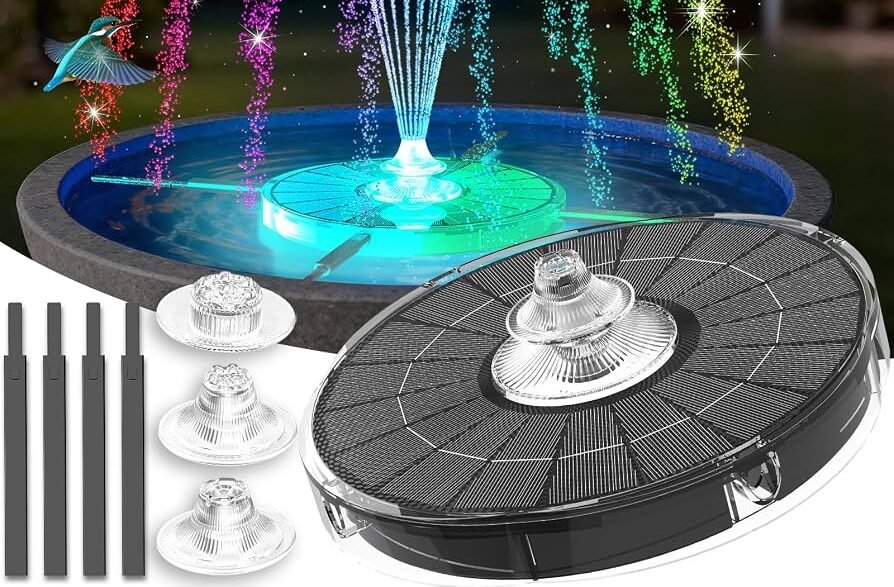
Can A Solar Pool Pump Run At Night: Solar Power Guide
Yes, a solar pool pump can run at night if it has stored power or a backup electrical supply.
The answer depends on how your solar pool system is built. A direct solar pump needs sunlight, while a battery-backed or hybrid model can keep working after dark. Understanding the pump, controller, battery, and pool schedule will help you choose a safe and cost-effective setup.
Can a solar pool pump run at night?
A solar pool pump can run at night, but not from live sunlight. It needs another power source, such as a battery bank, the utility grid, or a generator.
Most basic solar pool pumps connect to solar panels through a controller. During the day, the panels make electricity and power the pump. When the sun sets, power production drops to zero, so the pump usually stops.
A night run is possible when the system includes one of these options:
• Battery storage that saves daytime solar energy
• A hybrid controller connected to the utility grid
• An AC power connection with automatic backup
• A generator or other auxiliary power source
A direct solar pool pump without storage will not normally operate after sunset. Its controller may shut it down when panel voltage falls below the safe operating level.
How a solar pool pump works
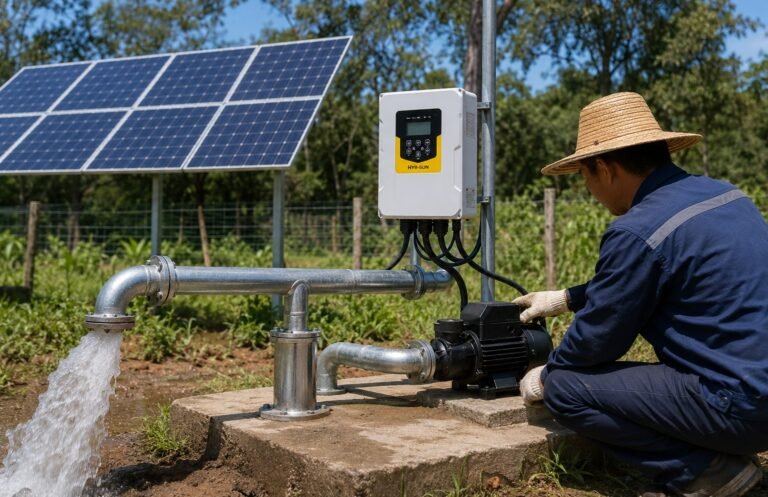
A solar pool pump moves water through the pool filter, heater, chlorinator, and return lines. The solar panels create electricity, and a pump controller adjusts the motor speed based on available power.
Many solar pool pumps use a variable-speed DC motor. This type of motor can run at lower speeds when sunlight is weak. It may start slowly in the morning, run faster around midday, and slow again in late afternoon.
The system often includes these parts:
• Solar panels that produce electricity
• A pump motor that moves pool water
• A solar controller that manages power and speed
• A filter that removes dirt and fine particles
• Optional batteries for evening or overnight use
• Optional grid connection for reliable backup power
Think of the system like a water bucket. Solar panels fill the bucket during the day. A battery lets you use that stored energy later. Without a battery or backup source, there is no stored power for nighttime operation.
A direct-drive solar pump usually runs only when the panels produce enough energy. A battery-backed system can run on a schedule, even when clouds or darkness reduce solar output.

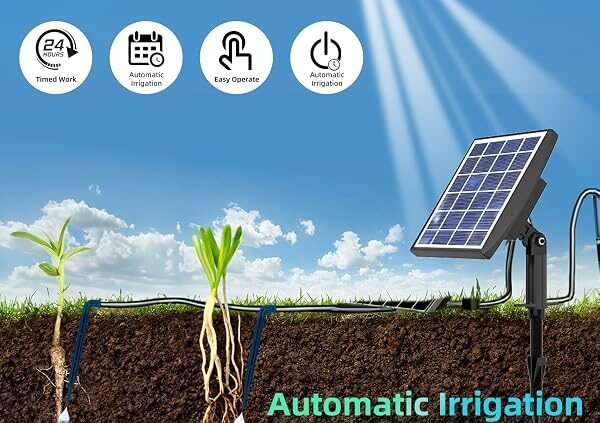
Source: amazon.com
What happens after sunset?
When sunlight fades, a solar pool pump controller checks the voltage and available power. If the voltage is too low, it may reduce the motor speed or turn the pump off.
This automatic response protects the motor and prevents unstable operation. A good controller should not force the pump to keep running when the panels cannot supply steady energy.
If your solar pool pump has batteries, the controller can switch from solar power to stored energy. Some systems make this change automatically. Others need a timer, app, or manual setting.
The pump may also stop at night because the system has no battery capacity. This is not usually a fault. It is a normal feature of a simple solar setup.
Check these signs to learn why your pump stops:
• The pump works well in bright sun but stops near sunset
• The controller shows low-voltage or low-power status
• No battery appears in the system design
• The pump has no grid or generator connection
• The owner’s manual lists daytime-only operation

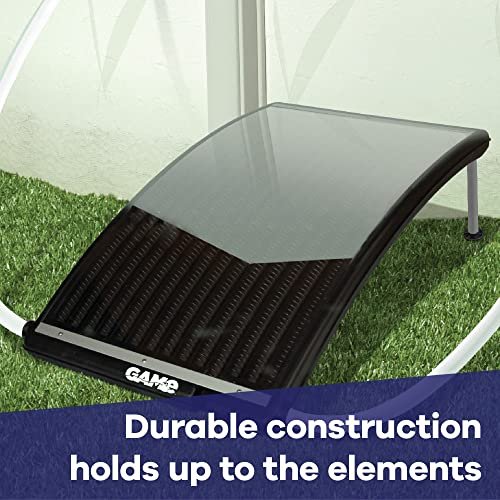
Source: poposoapsolar.com
Can a solar pool pump run at night with batteries?
Yes, batteries can allow a solar pool pump to run at night. The solar panels charge the batteries during the day, and the batteries power the pump after sunset.
The required battery size depends on the pump’s power use and the number of hours you want it to run. For example, a pump that uses 500 watts for four hours needs about 2,000 watt-hours of energy before allowing for system losses.
In real use, you should add extra capacity because batteries should not always be drained completely. Heat, age, cloudy weather, inverter losses, and charging limits can also reduce usable energy.
A battery system may include:
• Lithium batteries with high usable capacity and long cycle life
• Lead-acid batteries with lower upfront cost but shorter life
• A battery inverter for AC pool pumps
• A charge controller for safe solar charging
• A battery management system for lithium storage
Lithium batteries often provide more usable energy in a smaller space. Lead-acid batteries can work, but they are heavy and need careful charging and ventilation.
One mistake I often see in pool projects is choosing a battery based only on the pump’s running wattage. The design must also account for startup demand, controller losses, battery depth of discharge, and several cloudy days.

Source: theleveredge.com
Can a solar pool pump run at night without batteries?
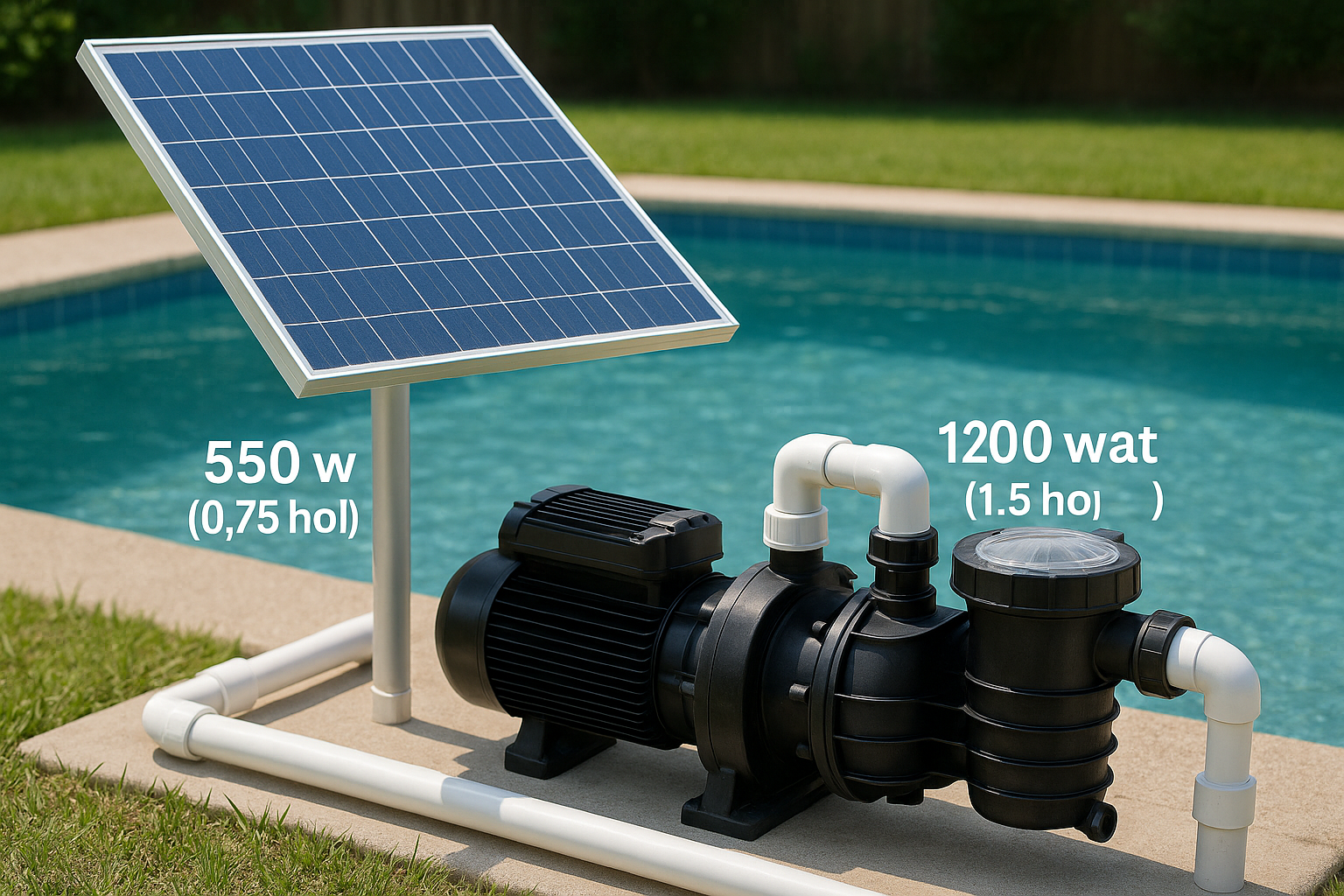
Yes, but only if it has another power source. A hybrid solar pool pump can use solar energy during the day and switch to utility power at night.
This setup may be useful when your pool needs steady circulation or when you want the pump to run during off-peak electricity hours. The controller can select the lowest-cost or most reliable power source.
A grid-connected system usually needs:
• A compatible hybrid pump controller
• Proper electrical wiring
• Ground-fault protection
• A licensed electrician for AC connections
• A timer or smart control system
A generator can also power the pump at night. However, fuel cost, noise, fumes, and maintenance often make a generator less attractive for routine pool circulation.
Never connect a solar pump directly to household wiring without the correct equipment. Solar and pool systems both involve electrical hazards. Water, electricity, and poor wiring are a dangerous mix.
Source: hybsun.com
Is nighttime pool circulation necessary?
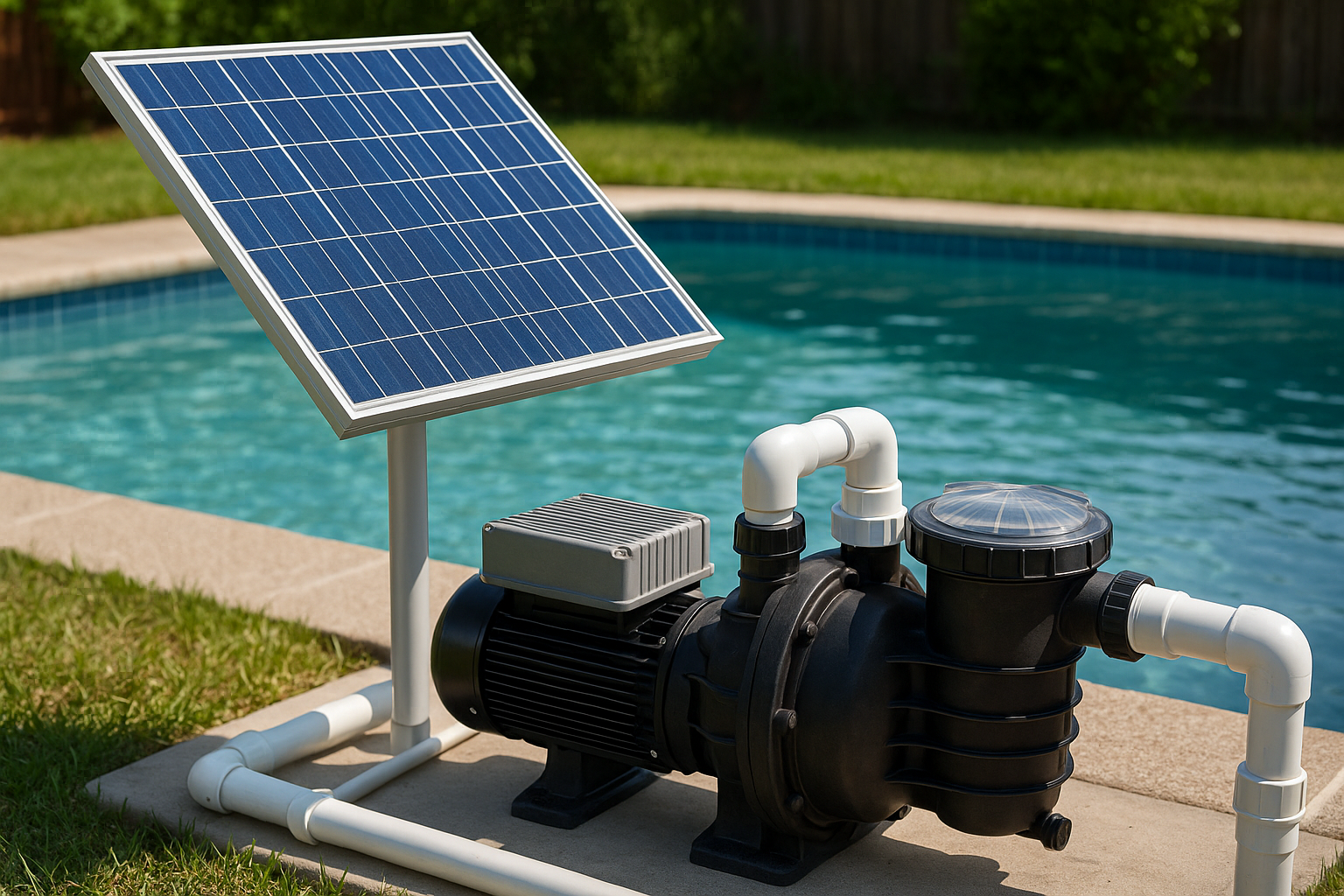
Nighttime circulation is not always necessary. Many pools can stay clean when the pump runs during the day for the required daily circulation time.
Pool circulation helps distribute chlorine, move warm and cool water, and send debris through the filter. The exact run time depends on pool size, pump flow, filter type, weather, water temperature, and swimmer load.
A common approach is to run the pump during daylight because this matches solar production. You can divide the daily schedule into two or more sessions if your controller allows it.
Night operation may help in some cases:
• Your pool has a large heater or heat pump
• The pool receives heavy evening use
• You use a nighttime sanitation system
• Your utility offers cheaper overnight electricity
• The pool needs extra circulation after storms or high bather use
For many residential pools, daytime operation is practical and efficient. The pump does not need to run constantly. It needs enough time to circulate the water and support proper filtration.
Ask a pool professional to calculate turnover. One turnover means moving a volume of water equal to the pool’s total capacity through the filter. Many systems aim for about one turnover per day, but local conditions and equipment can change that target.
Source: hybsun.com
How long can a solar pool pump run at night?
A solar pool pump can run at night for as long as its battery or backup source provides enough energy. A small battery may support a few hours. A larger battery bank may support an entire night.
Use this simple estimate:
- Find the pump’s average wattage.
- Multiply watts by the desired nighttime hours.
- Add about 15% to 30% for inverter and system losses.
- Divide by the battery’s usable capacity.
For example, a 400-watt pump running for five hours uses about 2,000 watt-hours. With system losses, the battery may need to supply around 2,400 watt-hours.
Actual use can differ from the label. A variable-speed pump may use less power at low speed, while a pump that starts at high speed may use more at first.
A battery should also have enough reserve for cloudy days. If the panels barely recharge the battery after a storm, the pump may stop earlier than expected.

Source: rafsun.com
Benefits and drawbacks of nighttime operation
Running a solar pool pump at night can offer useful benefits, but it is not right for every pool.
Benefits
• It provides circulation when daytime scheduling is not enough.
• It can support nighttime heating or water treatment.
• It may use cheaper off-peak grid electricity.
• It can improve comfort after heavy evening swimming.
• It gives a hybrid system more scheduling flexibility.
Drawbacks
• Batteries add cost and require maintenance.
• Night operation increases total energy use.
• Battery replacement may be needed after several years.
• A larger system takes more space.
• Poor sizing can leave the pool under-circulated.
• Backup power adds wiring and installation complexity.
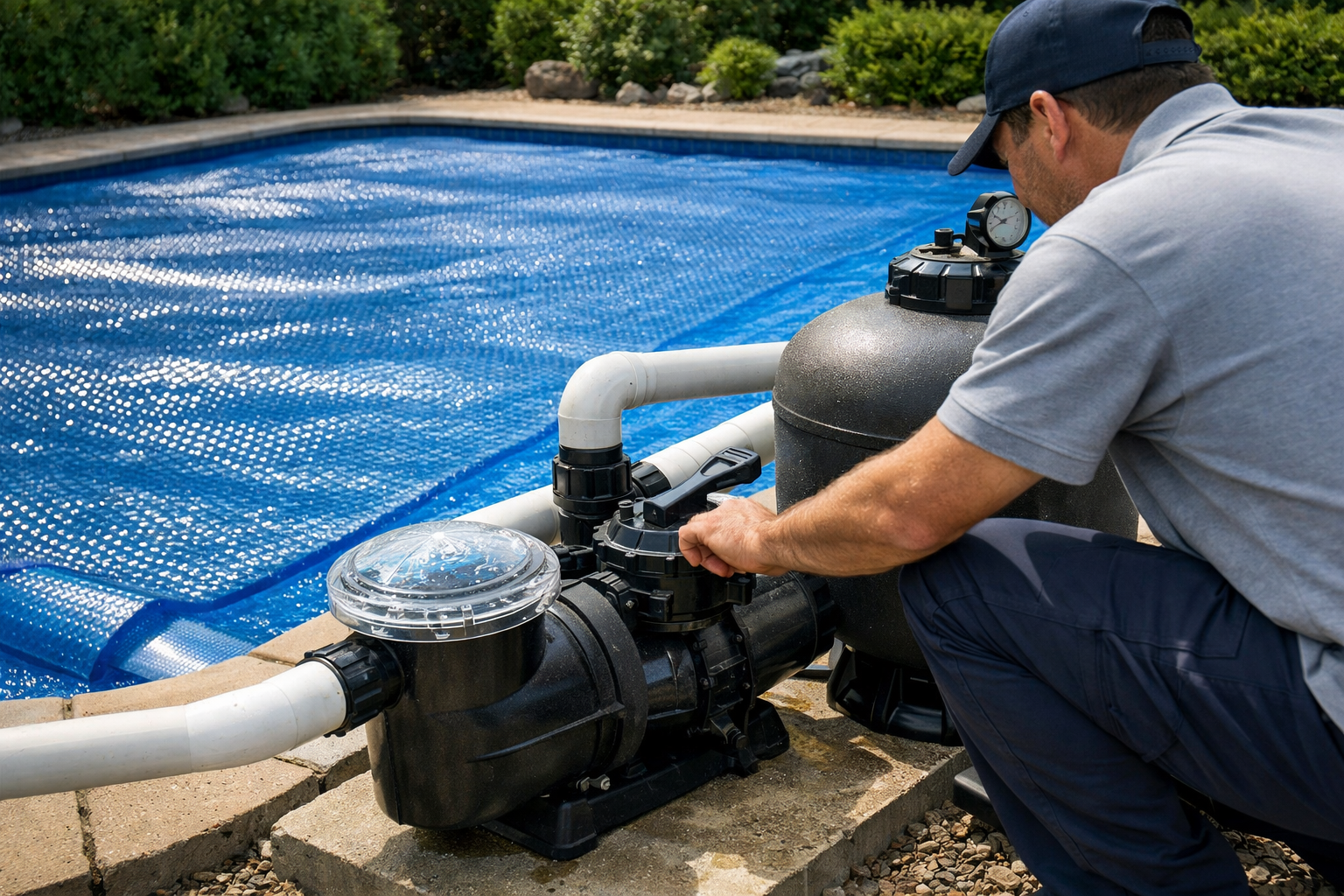
In my experience helping people compare solar equipment, the best system is not always the one that runs the longest. It is the one that meets the pool’s cleaning needs without wasting energy. A pump that runs at a lower speed during sunny hours may cost less than a high-speed pump running all night.
Source: hybsun.com
Best schedule for a solar pool pump
The best schedule depends on your pool and local climate. In many areas, running the solar pool pump during the sunniest part of the day makes the most sense.
A practical starting schedule is:
• Run the pump for two to four hours in the morning.
• Run it for two to four hours around midday.
• Add time after storms or heavy swimming.
• Check water clarity and chlorine levels each day.
• Adjust the schedule during hot weather.
Daytime pumping works well with solar panels because the energy is used as it is produced. It also reduces the amount of battery storage needed.
Your pool may need a different schedule if it has a salt chlorine generator. Salt systems often need the pump to run while the generator produces chlorine. Many pool owners also prefer to run the system during daylight so they can check for leaks, unusual noise, or poor water flow.
Do not judge a schedule by pump hours alone. Test free chlorine, pH, water clarity, and filter pressure. A clean pool with stable water chemistry is a better measure of performance than a long runtime.
How to size a battery for nighttime pumping
Battery sizing should begin with the pump’s real energy use. Do not rely only on the motor’s maximum rating because a variable-speed pump may use much less at its normal setting.
Use this formula:
Required battery energy = pump watts × nighttime hours ÷ system efficiency
For example:
• Pump demand: 500 watts
• Night runtime: 4 hours
• System efficiency: 85%
• Required battery energy: about 2,350 watt-hours
You may then add reserve capacity for battery aging and cloudy weather. A professional installer can also check the pump’s startup load and inverter compatibility.
Keep batteries in a dry, shaded, well-ventilated area. Follow the manufacturer’s temperature, clearance, and fire-safety instructions. Never place battery equipment where pool water, rain, or irrigation can reach it.
Solar panels also need enough daily output to recharge the battery. If the pump uses more energy at night than the panels replace during the day, the battery will slowly drain.
Safety and maintenance tips
A solar pool pump combines electrical equipment with water. Safe installation is essential.
Follow these basic practices:
• Use properly rated outdoor equipment.
• Install ground-fault protection where required.
• Keep wiring in approved conduit.
• Bond and ground pool equipment correctly.
• Protect batteries from water and extreme heat.
• Inspect cables for cracks, corrosion, or loose connections.
• Clean the pump basket and filter as recommended.
• Watch for air bubbles, leaks, or unusual motor noise.
• Use a qualified electrician for grid connections.
Pool pump warranties may also require specific installation methods. Using the wrong inverter, battery voltage, or controller can damage the motor and void coverage.
A simple maintenance log helps. Record pump hours, water test results, filter pressure, and battery status. Small changes often reveal a clogged filter or failing battery before the problem becomes expensive.
When a nighttime solar pump is worth it
A nighttime solar pool pump is most useful when you need reliable circulation beyond daylight hours. It may be a good choice for large pools, commercial pools, heated pools, or homes with frequent evening use.
It may not be worth the extra cost for a small residential pool that can complete its circulation cycle during sunny hours. In that case, direct solar operation may provide the best balance of simplicity, low maintenance, and energy savings.
Compare these factors before buying:
• Pool size and required turnover
• Pump flow rate and operating speed
• Daily sunlight in your area
• Battery cost and expected life
• Grid electricity rates
• Desired nighttime runtime
• Local electrical and pool safety rules
• Warranty terms and installer support
Ask for a full energy estimate rather than a simple sales promise. A trustworthy installer should explain expected pump hours, battery performance, cloudy-weather limits, and replacement costs.
Frequently asked questions about whether a solar pool pump can run at night
Can a solar pool pump run all night?
A solar pool pump can run all night if it uses a battery, grid connection, or generator. A direct solar pump without stored energy will usually stop when sunlight disappears.
Do solar pool pumps work on cloudy days?
Yes, many solar pool pumps can work on cloudy days, but they may run more slowly. Heavy clouds can reduce panel output enough to stop the pump or shorten its operating time.
Is it better to run a pool pump during the day or at night?
Daytime operation is often better for a direct solar pump because the panels produce power then. Night operation may help with heating, evening swimming, or off-peak electricity use when the system has battery or grid backup.
How many solar panels do I need for a pool pump?
The number depends on pump wattage, daily runtime, sunlight, and system losses. A solar installer should size the panels for both normal operation and the local seasonal weather.
Can I add a battery to an existing solar pool pump?
You may be able to add a battery, but the controller and motor must be compatible. You may also need an inverter, new wiring, safety equipment, and a professional design review.
Will running a solar pool pump at night save money?
It can save money when stored solar energy replaces expensive grid power. However, the battery cost, efficiency losses, installation, and future replacement must be included in the calculation.
Does a solar pool pump need a timer?
Many solar pool pumps include built-in controls, but a timer can improve scheduling. A smart controller may adjust speed and runtime based on sunlight, battery level, and pool needs.
Conclusion
A solar pool pump can run at night, but it needs stored energy or a backup power source. A basic direct-solar model normally runs only when sunlight is available, while a battery-backed or hybrid system can operate after dark.
For many homes, a well-planned daytime schedule provides enough circulation and avoids the added cost of batteries. If you need nighttime pumping, size the battery, panels, controller, and safety equipment as one complete system.
Review your pump manual, test your pool water, and compare the full system cost before making a change. Explore trusted solar and pool resources, speak with a qualified installer, and share your setup or questions in the comments.