Solar Drip Irrigation System: Top Benefits
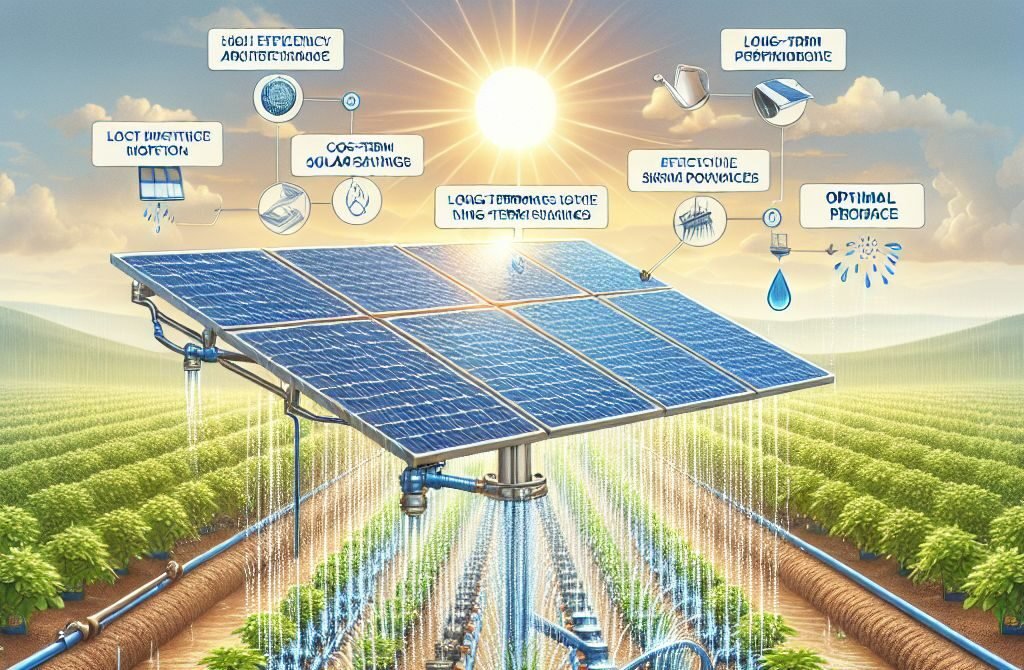
A solar drip irrigation system saves water, cuts fuel costs, and delivers steady moisture with clean solar power.
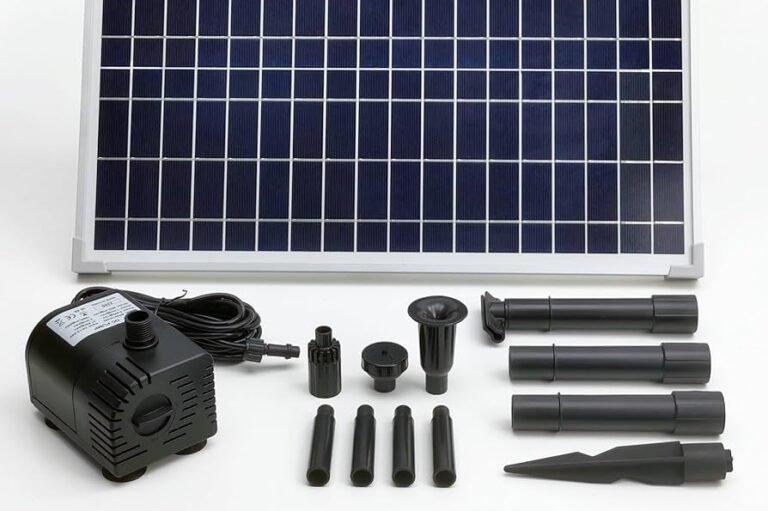
A solar drip irrigation system combines solar panels, a pump, filters, pipes, and drip emitters to water plants slowly and directly at the root zone. This guide explains the main benefits, real costs, design choices, limits, and practical lessons that help farmers, gardeners, and landowners decide whether solar drip irrigation is a good fit.

What is a solar drip irrigation system?
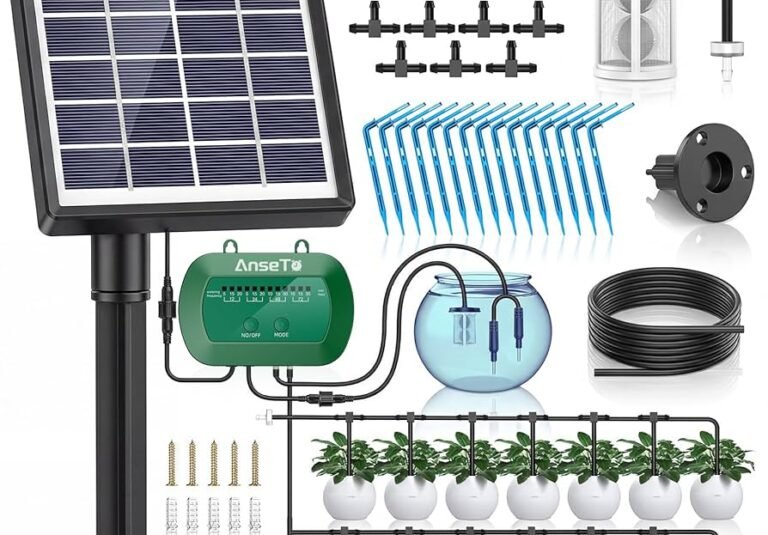
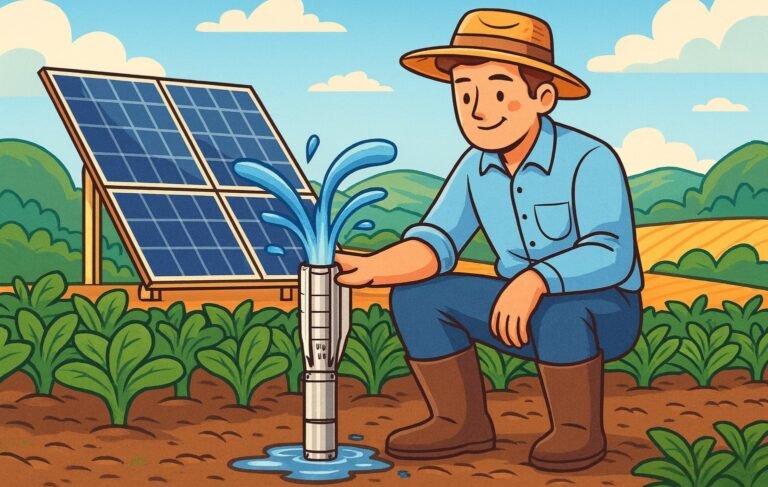
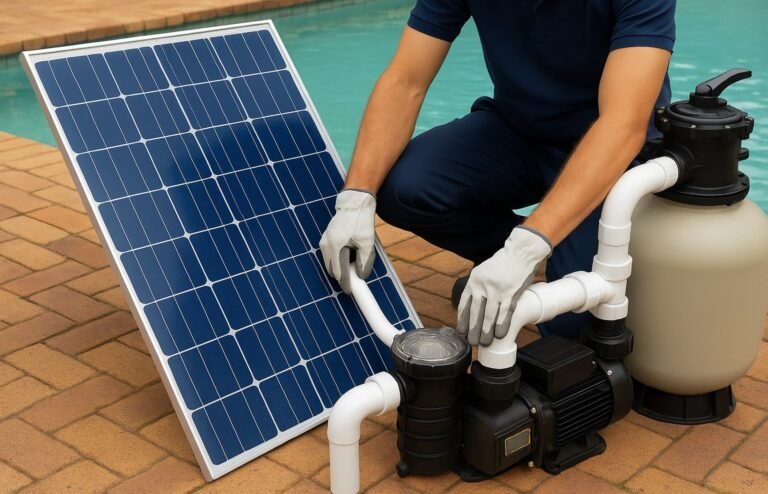
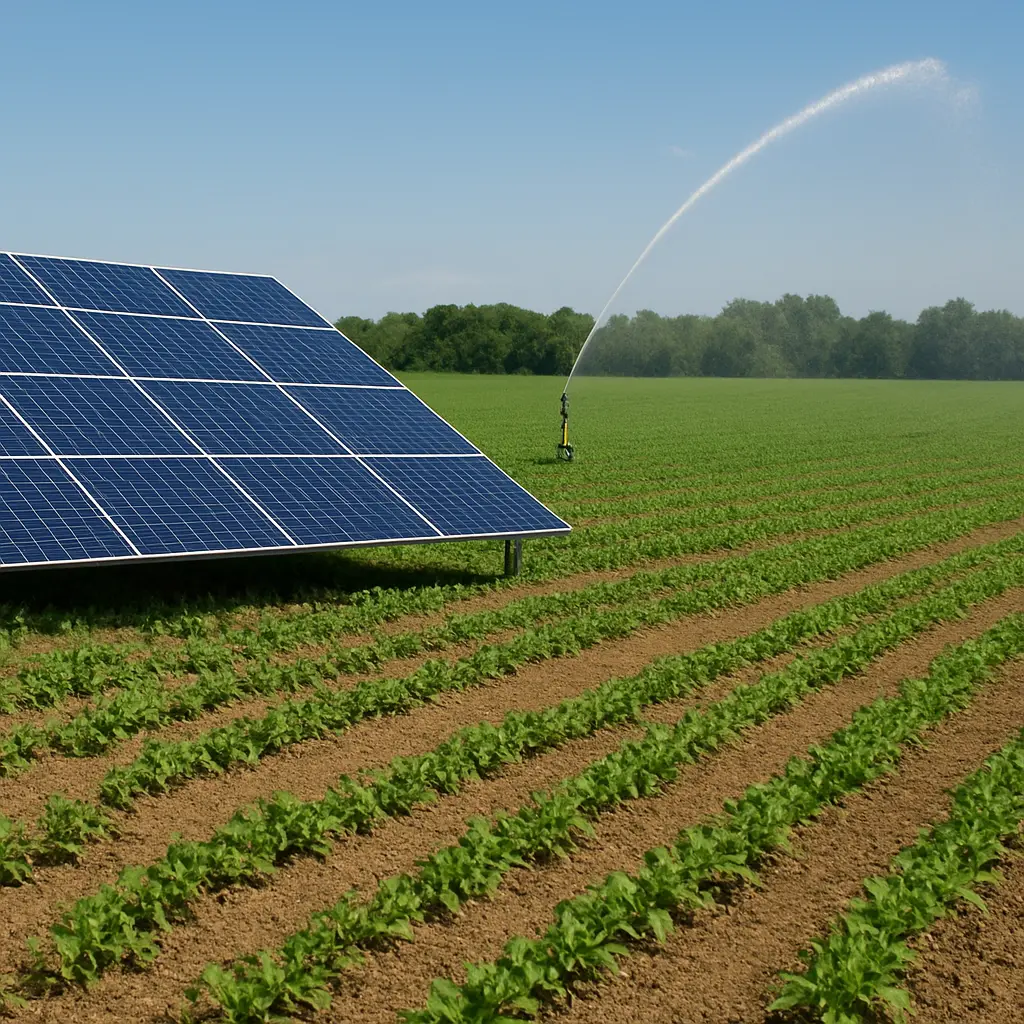
A solar drip irrigation system uses sunlight to power a water pump. The pump moves water from a well, tank, pond, or other source through filters and narrow irrigation lines. Small emitters then release water near each plant.
Unlike flood irrigation, the system does not soak the whole field. It places water where roots can use it. This makes the solar drip irrigation system useful in dry regions, remote farms, greenhouses, orchards, and home gardens.
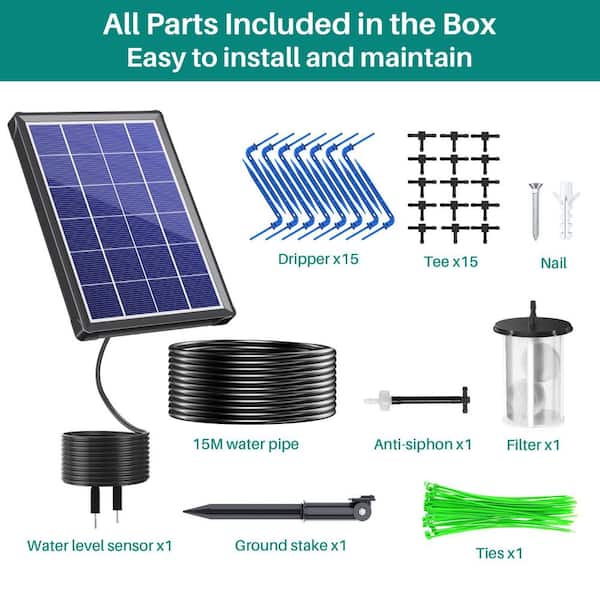
A typical setup includes:
• Solar panels that create electricity
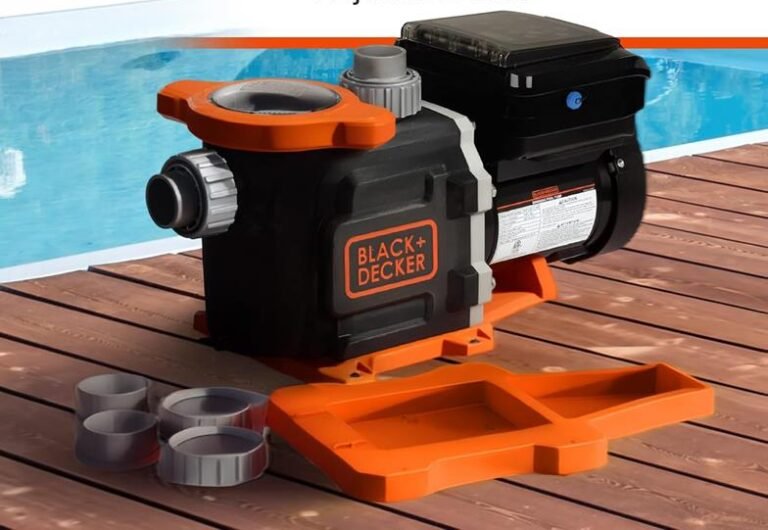
• A solar pump that lifts or moves water
• A controller or inverter to manage power
• A storage tank or battery system, depending on the design
• Filters that remove sand and plant matter
• Mainlines, submain pipes, and drip lines
• Emitters that release water at a measured rate
The system may run directly during sunny hours. It may also pump water into a tank for later use. In many farms, water storage is more useful than battery storage because tanks are simple, durable, and easy to maintain.

Key benefits of using a solar drip irrigation system
1. It reduces water waste
The greatest benefit of a solar drip irrigation system is precise water delivery. Drip emitters release small amounts of water close to plant roots. This reduces runoff, deep pooling, and evaporation from wet soil surfaces.
Sprinklers can lose water to wind. Flood irrigation can send water beyond the root zone. Drip irrigation limits these losses by applying water slowly and close to the crop.
Water savings depend on soil type, climate, crop spacing, and system quality. In many cases, drip irrigation can use 30% to 60% less water than less controlled methods. The exact result should be measured on each site rather than assumed.
2. It lowers energy and fuel costs
A solar drip irrigation system uses sunlight instead of diesel, gasoline, or grid electricity. Once the panels and pump are installed, the system can produce water with little day-to-day energy cost.
This is especially helpful where fuel prices are high or power lines are not available. Farmers also avoid fuel deliveries, engine oil changes, and many repairs linked to combustion engines.
The main cost comes at the start. Solar panels, pumps, pipes, tanks, filters, and installation can require a sizable investment. Still, lower fuel bills may help the system pay for itself over time.
3. It works well in remote locations
Many farms sit far from roads and power lines. Extending the electrical grid to these sites can be expensive. A solar drip irrigation system can work in places with strong sunlight but limited infrastructure.
This makes it useful for:
• Small farms
• Livestock watering points
• Community gardens
• Off-grid homesteads
• Tree planting projects
• Greenhouses
• Pasture plots
• Emergency water systems
A remote solar irrigation system can also reduce the need to transport fuel over rough roads. That saves time and lowers the risk of missed watering during busy periods.
4. It supports healthier plant growth
Plants grow best when they receive steady moisture rather than extreme wet and dry cycles. A solar drip irrigation system can provide frequent, controlled watering that keeps soil moisture more stable.
Stable moisture may improve germination, fruit size, and crop quality. It can also reduce plant stress during hot weather. The system is not a magic solution, however. Good soil, nutrients, pest control, and crop selection still matter.
Drip irrigation can also keep leaves dry. This may lower the risk of some fungal diseases, especially when compared with overhead sprinklers. Disease pressure still depends on humidity, plant spacing, and local weather.
5. It reduces weed growth
Watering only the crop row leaves nearby spaces drier. Fewer weeds may grow between rows because those areas receive less moisture.
This can reduce hand weeding and herbicide use. It also helps crops compete for water and nutrients. In a vegetable garden, placing drip lines under mulch can improve this effect.
The system does not stop all weeds. Leaks, rain, and poor line placement can still create wet spots where weeds grow.
6. It can improve fertilizer use
Many solar drip irrigation systems support fertigation. Fertigation means applying soluble fertilizer through irrigation water.
This method sends nutrients near the roots in small doses. It can improve nutrient timing and reduce fertilizer loss from runoff. It also allows farmers to match feeding with crop growth stages.
A proper injector, backflow preventer, and clean water supply are important. Fertilizer can clog emitters if it does not dissolve fully or if the system lacks good filtration.
7. It offers useful climate and environmental benefits
Solar power creates electricity without direct fuel combustion at the farm. A solar drip irrigation system can therefore reduce emissions linked to diesel pumping.
The environmental value depends on the full system. Manufacturing panels, transporting equipment, drilling wells, and building tanks all have impacts. Even so, solar pumping often has a lower operating footprint than long-term diesel use.
The system may also protect local water supplies by making each gallon work harder. This matters in drought-prone areas where water conservation supports both farms and nearby communities.

How a solar drip irrigation system works
The system begins when sunlight reaches the solar panels. The panels send power to the pump controller. The controller manages the pump and helps protect it from unstable voltage or dry running.
Water then moves through the system in several stages:
-
The pump draws water from the source.
-
A filter removes particles that could block emitters.
-
A pressure regulator keeps water pressure within the correct range.
-
Mainlines carry water across the site.
-
Drip lines distribute water along crop rows.
-
Emitters release water at a measured flow rate.
Some systems use a float valve to fill a storage tank. Others use a pressure tank or battery bank. A tank is often a practical choice because it stores water rather than electricity.
The pump size must match the well depth, flow rate, elevation, pipe length, and daily water demand. A larger pump is not always better. An oversized pump can raise costs and create pressure problems.

Best crops and uses for solar drip irrigation
A solar drip irrigation system can serve many crops, but it works especially well where plants grow in rows or fixed locations.
Common uses include:
• Tomatoes, peppers, cucumbers, and melons
• Strawberries and other berries
• Grapes and fruit trees
• Corn, beans, and other row crops
• Nurseries and container plants
• Greenhouses and high tunnels
• Landscaping and garden beds
• Young trees in restoration projects
Orchards benefit because each tree can receive one or more emitters. The system can expand as trees grow. In a greenhouse, drip irrigation gives the grower close control over water and nutrients.
For broad-acre crops, drip systems may cost more to install. Center pivots or other systems can sometimes be more economical. The best choice depends on crop value, field shape, water supply, and labor costs.

Limitations and challenges to consider
A solar drip irrigation system has clear benefits, but it is not suitable for every site.
Higher upfront costs
Solar panels, pumps, filters, tanks, and installation may cost more than a basic fuel pump. The long-term savings are strongest when the system replaces expensive fuel or serves a remote location.
Compare the full cost over time. Include installation, maintenance, replacement parts, water storage, and possible financing charges.
Clogged emitters
Small emitters are sensitive to sand, algae, minerals, and organic matter. Poor filtration can reduce water flow or stop it completely.
Use the right filter for the water source. Flush lines often, inspect emitters, and test flow at the start and end of each drip line.
Dependence on sunlight
Cloudy weather can reduce pumping power. A storage tank can provide protection during short cloudy periods. Batteries can also help, but they add cost and require eventual replacement.
Do not design the system around the brightest summer day alone. Plan for seasonal sunlight and the crop’s highest water demand.
Limited flow in some systems
Solar pumps may provide less water than large diesel or grid pumps. This is not always a problem. Slower pumping can work well when water is stored and released through drip lines over many hours.
If the water source has a low recovery rate, pumping too quickly may damage the well or lower the water table. A qualified installer should assess the source before installation.
Maintenance needs
Solar irrigation is not maintenance-free. Panels need occasional cleaning. Filters need service. Pipes can leak, animals can damage lines, and rodents may chew tubing.
A simple maintenance plan prevents small issues from becoming crop losses.
How to design a reliable solar drip irrigation system
Good planning matters more than buying the largest panel or pump. Begin with water demand and site conditions.
Step 1: Measure water needs
Estimate the crop area, plant spacing, daily water use, and peak summer demand. Young trees need less water than mature trees. Sandy soil may need shorter, more frequent watering than clay soil.
Step 2: Test the water source
Check the well, pond, tank, or other source for:
• Available flow
• Water depth
• Seasonal changes
• Sand and sediment
• Mineral content
• Bacteria or other contaminants
Water testing helps you choose the correct filter and treatment equipment.
Step 3: Map the site
Record elevation changes, row lengths, panel location, pump location, and distance to the field. Long lines and steep slopes can create uneven pressure.
Pressure-compensating emitters may help on sloped land. Smaller irrigation zones can also improve uniformity.
Step 4: Choose storage wisely
A water tank can keep irrigation going after clouds pass or the sun sets. It also allows the pump to run when solar power is strongest.
The tank should sit high enough to provide useful pressure, or the system should include a booster pump. Cover the tank to limit algae, dust, and mosquito activity.
Step 5: Add automation carefully
Timers, soil moisture sensors, flow meters, and remote monitoring can reduce guesswork. However, every added device creates another point that may need setup or repair.
Start with a simple system. Add smart controls after you understand the field’s real water needs.
Practical lessons from field use
One lesson I have seen repeatedly in small irrigation projects is that filtration deserves as much attention as the solar pump. A well-sized pump cannot save a system with clogged emitters.
Another common mistake is placing panels where trees or buildings create afternoon shade. Even partial shade can reduce output. A shade study before installation is a small step that can prevent a major performance loss.
It also helps to divide the field into zones. When every row runs at once, pressure may fall at the far end. Smaller zones create more even watering and allow the solar pump to work within its limits.
A simple inspection routine is useful:
• Check panel surfaces every few weeks during dusty weather.
• Clean filters according to water quality and flow changes.
• Flush drip lines at planned intervals.
• Compare emitter flow from the first and last rows.
• Look for wet patches, dry plants, leaks, and animal damage.
• Keep spare connectors, filters, and drip tape on hand.
These habits are not complicated. They are the difference between a system that quietly saves water and one that fails during the hottest week of the year.
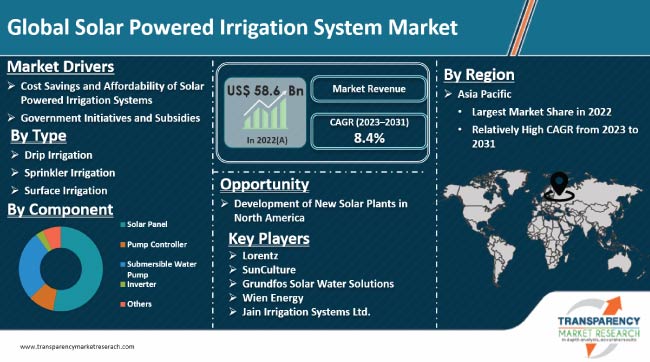
Solar drip irrigation system cost and return on investment
The cost of a solar drip irrigation system varies widely. A small garden system may use a compact panel, a small pump, and a storage tank. A commercial farm may need multiple pumps, a large array, deep-well equipment, long pipelines, automation, and backup power.
Important cost factors include:
• Pump size and water lift
• Solar panel capacity
• Battery or tank storage
• Well depth and water quality
• Field size and pipe length
• Filter and treatment needs
• Labor and trenching
• Replacement parts
To estimate payback, compare the system with the current irrigation method. Include annual fuel or electricity costs, routine maintenance, crop value, and expected system life.
Avoid promises of a fixed payback period. Fuel prices, sunlight, crop yields, grants, and repair costs vary by location. A local installer can provide a more accurate design and financial estimate.
Frequently Asked Questions About Solar Drip Irrigation Systems
Is a solar drip irrigation system worth it?
It can be worth it when fuel or grid power is costly, sunlight is strong, and the site needs regular irrigation. The value is usually greatest for remote farms, high-value crops, and areas with expensive water pumping.
Can a solar drip irrigation system work on cloudy days?
Yes, but pumping may slow when sunlight is weak. A water storage tank, battery, or backup power source can keep irrigation running during cloudy periods.
How much water can a solar drip irrigation system save?
Savings vary by crop, climate, soil, and irrigation method. Drip irrigation often uses 30% to 60% less water than less controlled methods, but field measurement is needed for an accurate result.
Does a solar drip irrigation system need a battery?
No. Many systems pump water into a tank during daylight and irrigate from the tank later. Batteries are useful when the pump must run at night or when water storage is not practical.
How often should drip irrigation filters be cleaned?
The schedule depends on water quality and filter type. Inspect filters often during the first few weeks, then set a routine based on pressure changes, visible dirt, and emitter performance.
Can solar drip irrigation be used with fertilizer?
Yes. A compatible injector can apply soluble fertilizer through the drip lines. Use fully dissolved products, prevent backflow, and flush the system after feeding to reduce clogging.
What is the main disadvantage of solar drip irrigation?
The main disadvantages are upfront cost, maintenance, and dependence on sunlight. Careful sizing, water storage, and good filtration can reduce these challenges.
Conclusion
A solar drip irrigation system can save water, reduce fuel use, support healthier crops, and bring reliable irrigation to places far from the power grid. Its success depends on proper sizing, clean water, strong filtration, good pressure control, and regular inspections.
Before buying equipment, measure your water source, crop demand, sunlight, elevation, and daily irrigation schedule. Start with a design that is simple and repairable, then add automation as your needs grow. Explore local technical support and compare several system quotes before making your investment.