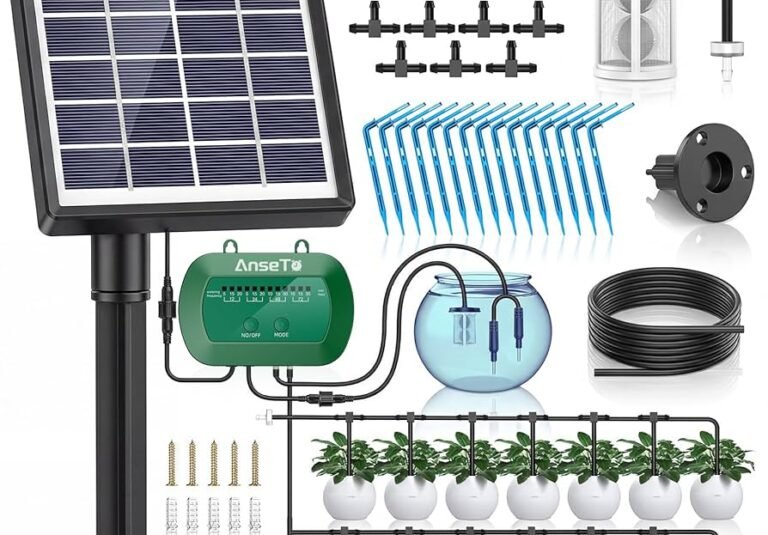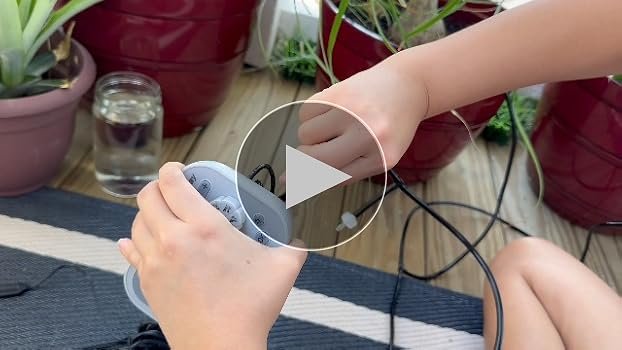
Can A Solar Drip Irrigation Work On Cloudy Days: Yes
Yes, a solar drip irrigation system can work on cloudy days, though output may drop with weaker sunlight.
Can a solar drip irrigation system work on cloudy days? Yes, but its performance depends on cloud cover, panel size, battery storage, pump type, and daily water needs. After working with small solar irrigation setups, I have found that good system design matters more than chasing perfect weather. This guide explains what happens on cloudy days, how to size your equipment, and how to keep plants watered through several low-sun days.
Can a Solar Drip Irrigation System Work on Cloudy Days?
Yes, a solar drip irrigation system can still operate when the sky is cloudy. Solar panels do not need direct, bright sunshine to produce power. They also use diffuse sunlight, which passes through clouds.
However, thick clouds reduce solar energy. A panel may produce only a fraction of its rated output during a dark, rainy day. A system that runs easily in full sun may pump more slowly or stop if its battery is too small.
Can a solar drip irrigation system work on cloudy days? It can, especially when the setup includes one or more of these features:
• A battery that stores energy from sunny hours
• A water tank filled before bad weather
• A solar panel with enough capacity
• A low-power pump
• A drip system designed to use water slowly
The key idea is simple: solar panels make energy, while the battery or water tank saves that energy for later. Think of the battery as a pantry. You fill it when food is plentiful and use it when the cupboard is not being restocked.

How Cloud Cover Affects Solar Panel Output
Clouds reduce the sunlight that reaches a photovoltaic panel. Light, thin clouds may lower power production by a small amount. Thick storm clouds can cut production much more sharply.
Solar panel output varies based on several conditions:
• Cloud thickness and movement
• Panel angle and direction
• Shading from trees or buildings
• Panel temperature
• Dust, pollen, and dirt on the surface
• The quality and age of the panel
A panel rated at 200 watts does not produce 200 watts all day. That rating is measured under ideal test conditions. In real use, output changes from hour to hour.
Can a solar drip irrigation system work on cloudy days if the panel produces less power? Yes, if the pump needs less power than the system can provide. A small pump may keep running at a reduced flow. A larger pump may fail to start if voltage falls too low.
Rain can also help in one important way. If the soil receives enough rain, the irrigation system may not need to run as long. A basic rain sensor or soil moisture sensor can stop unnecessary watering and protect your stored energy.
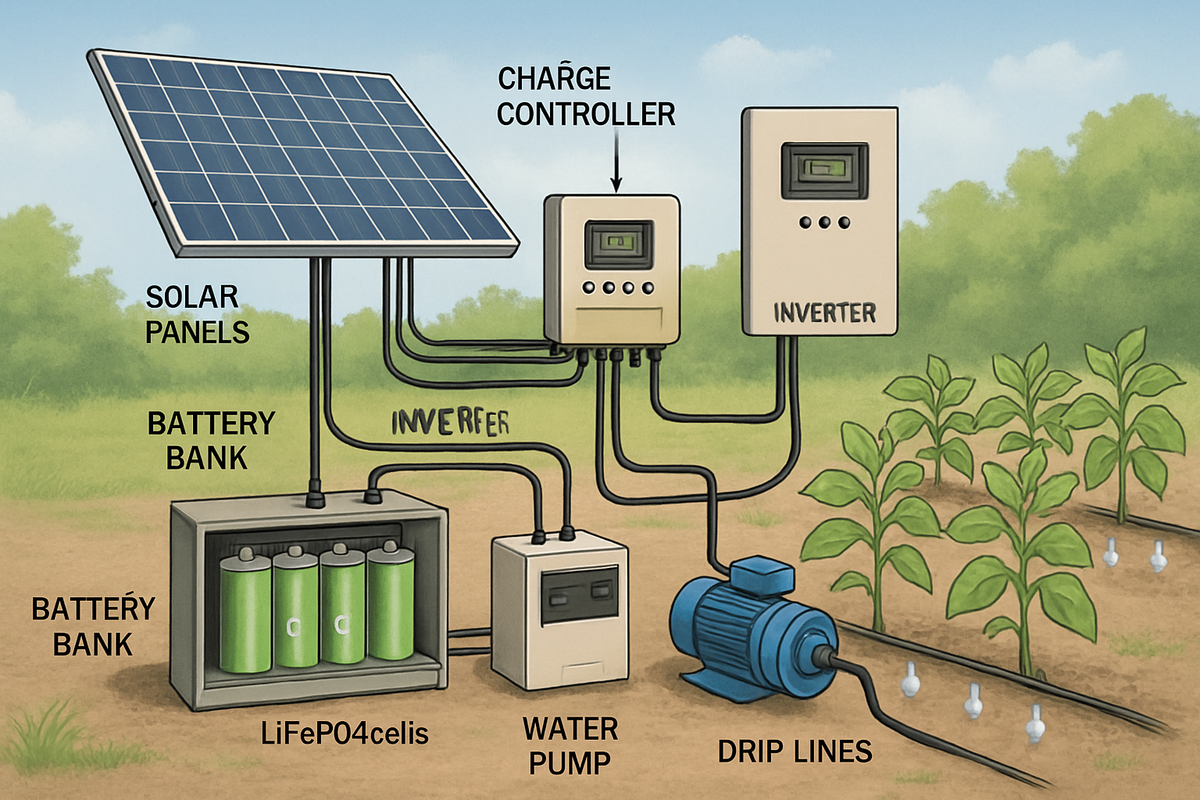
The Role of Batteries and Water Storage
A battery is one of the best ways to make solar irrigation reliable in changing weather. It stores extra electricity made during sunny periods. The pump can then use that energy in the evening, early morning, or during short cloudy periods.
A water tank offers another form of storage. Instead of storing only electricity, the system pumps water into a tank when solar energy is available. Water then flows to the drip lines by gravity or through a smaller pump.
This design often works well for gardens and small farms because it separates pumping from watering. The main pump can run during strong sunlight, while plants receive water on a schedule.
When choosing a battery, consider:
• Pump wattage
• Daily run time
• Battery voltage
• Battery usable capacity
• Expected cloudy-day duration
• Battery safety and operating temperature
For example, a 60-watt pump running for two hours uses about 120 watt-hours before system losses. A battery should provide more than that amount because inverters, wiring, and battery limits reduce usable energy.
Can a solar drip irrigation system work on cloudy days without a battery? Sometimes. It may work during daylight if the panel produces enough power, but it will have less protection against sudden cloud cover or several days of poor weather.

How to Design a Cloud-Ready Solar Drip Irrigation System
A reliable system starts with an accurate water and energy estimate. Many irrigation problems begin with an oversized pump, undersized panel, or long irrigation lines with too many emitters.
Follow these steps:
- Calculate the daily water need.
Estimate the number of plants and their water use. A small vegetable garden may need far less water than a fruit orchard. Weather, soil type, plant size, and rainfall all affect the result.
- Measure pump energy use.
Check the pump label for watts, volts, and amps. Multiply watts by hours of operation to estimate daily energy use.
- Add system losses.
Include energy used by the controller, wiring, inverter, and pump startup. Adding 20 to 30 percent gives a safer estimate.
- Size the solar panel.
Choose enough panel capacity to refill the battery and run the pump during the available sunlight hours. A panel that barely meets the average need may struggle during cloudy weather.
- Choose the right battery.
A battery with extra capacity can cover short periods of weak sunlight. Do not use the full rated capacity of many battery types every day, since deep discharge can shorten battery life.
- Use a water tank when practical.
A tank can provide backup for irrigation and reduce the need to run the pump at the exact time plants need water.
- Keep drip lines short and balanced.
Long lines can lose pressure. Use pressure regulators, filters, and properly spaced emitters to deliver water evenly.
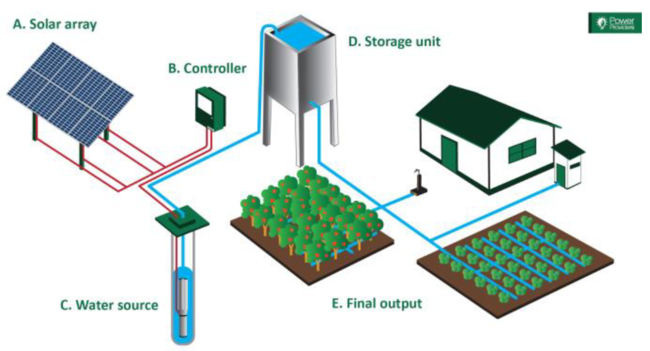
A practical system might use a 300-watt solar panel, a 12-volt pump, a charge controller, a 100-gallon tank, and a battery. The exact size depends on local sunlight and water demand. A local installer can confirm the design with solar radiation and pump flow data.
What Happens During Several Cloudy Days?
One cloudy day is usually manageable. Several dark days create a bigger challenge because the battery may not fully recharge.
A good system should have a backup plan. Options include:
• A larger battery bank
• A larger solar array
• A bigger water storage tank
• A lower irrigation schedule
• A grid or generator backup
• Manual watering during extreme weather
Soil moisture also acts as a natural buffer. Clay soil holds water longer than sandy soil. Mulch reduces evaporation and can help plants stay hydrated when irrigation time must be shortened.
During a long rainy period, do not keep watering on the normal schedule without checking the soil. Overwatering can cause root disease, nutrient loss, and weak plant growth. Push a finger into the soil or use a moisture meter before starting the pump.
Can a solar drip irrigation system work on cloudy days for a full week? It may, but only with enough stored energy, stored water, or reduced demand. No solar system can provide unlimited power when sunlight remains very low.

Benefits of Solar Drip Irrigation in Cloudy Climates
Cloudy weather does not remove the main benefits of solar drip irrigation. The system can still reduce water waste and lower operating costs.
Drip irrigation sends water near the plant roots. This reduces evaporation and limits wet areas between rows. A solar pump can also serve locations far from electrical lines.
Key benefits include:
• Lower electricity use
• Less water loss from evaporation
• Easy use in remote fields
• Reduced fuel dependence
• Quiet pump operation
• Better control of watering times
• Lower risk of wetting plant leaves
Solar drip irrigation can work well in places with mixed weather, not only in deserts or areas with constant sunshine. The system simply needs a design that matches local sunlight and crop needs.
In my field testing, the most useful improvement was not always a larger panel. Adding a tank and adjusting the watering schedule often made a bigger difference. The lesson was clear: store water when the sun is available, then release it slowly.

Common Problems and Mistakes to Avoid
A solar irrigation system may fail on cloudy days because of a design mistake rather than a lack of sunlight. Small details can have a large effect on performance.
Avoid these common errors:
• Choosing a pump based only on its low purchase price
• Using a panel that matches the pump wattage but ignores daily energy needs
• Running the pump at noon when the tank is already full
• Skipping the water filter
• Installing drip lines without pressure control
• Placing panels under partial shade
• Ignoring battery temperature and maintenance
• Watering after heavy rain
A clogged filter forces the pump to work harder and may reduce flow. Dirty emitters can also cause some plants to dry out while others receive too much water.
Another mistake is relying on a timer alone. A timer follows the clock, not the weather. A soil moisture sensor, rain sensor, or tank float switch can make the system smarter and conserve energy.
Can a solar drip irrigation system work on cloudy days if the emitters are clogged? Technically, the pump may run, but the plants may not receive enough water. Check filters and emitters before blaming the solar panels.

How to Improve Performance on Cloudy Days
You can improve reliability without replacing the entire system. Start with simple changes that reduce water and energy demand.
Use these practical tips:
• Clean solar panels every few months, or more often in dusty areas.
• Remove nearby shade from trees, poles, and structures.
• Water early in the morning or late in the afternoon.
• Add mulch around plants to slow evaporation.
• Use pressure-compensating emitters on uneven land.
• Replace damaged tubing and leaking connectors.
• Set the controller to skip watering after meaningful rainfall.
• Keep a backup watering method for extreme weather.
A variable-speed pump can also help. It may use less energy than a pump that always runs at full power. A low-flow design often matches solar power better than a high-pressure sprinkler system.
For small gardens, gravity-fed irrigation from an elevated tank can be very effective. It uses little or no pump power after the tank is full. This approach is especially useful when cloudy weather lasts for several days.

Is Solar Drip Irrigation Worth It in Your Area?
The answer depends on your sunlight, water source, crop value, and access to electricity. A solar system may offer strong value when the garden is far from the grid or fuel costs are high.
Before buying equipment, review:
• Average daily sunlight by season
• Rainfall patterns
• Well depth and water level
• Required pump lift
• Crop water demand
• Distance from the water source to the field
• Cost of batteries and replacement parts
Solar irrigation may not be the best choice if your site has heavy shade, very high water demand, or easy access to dependable grid power. In those cases, a hybrid system can provide a better balance.
A solar and grid hybrid system can use solar energy first and switch to grid power when the battery is low. This costs more at the start but provides greater reliability for valuable crops.
Can a solar drip irrigation system work on cloudy days in your area? Check local solar data instead of relying on general weather impressions. A place that feels cloudy may still receive enough diffuse light for a well-designed system.

Frequently Asked Questions About Can a Solar Drip Irrigation System Work on Cloudy Days?
Can solar panels produce power during cloudy weather?
Yes, solar panels can produce electricity from diffuse sunlight. Their output is lower than it is on a clear day, so the system may need a larger panel, battery, or water tank.
Will a solar water pump run during rain?
It may run during rain if the panels and battery provide enough energy. Heavy rain and dark clouds can reduce power, so a battery or stored water helps maintain irrigation.
How many cloudy days can a solar irrigation system handle?
The number depends on battery size, tank capacity, pump demand, and plant water needs. A properly sized system may handle several cloudy days, especially when rain lowers irrigation demand.
Do I need a battery for solar drip irrigation?
Not always. A daytime system can run directly from solar power, but a battery improves reliability and allows watering when sunlight is weak or unavailable.
Is drip irrigation better than sprinklers for a solar system?
Drip irrigation usually needs less water and can operate at lower pressure than sprinklers. This often reduces pump energy use and makes solar power a better fit.
How can I protect plants during a long cloudy period?
Check soil moisture, reduce unnecessary watering, use mulch, and keep stored water available. A backup pump or manual watering method can protect high-value plants during extended low-sun weather.
Conclusion
A solar drip irrigation system can work on cloudy days, but it must be designed for changing sunlight. Solar panels still make power under clouds, yet output drops, so batteries, water tanks, efficient pumps, and smart controllers become important.
The most reliable approach is to calculate water demand, size the panel and battery with extra capacity, protect the drip lines, and use soil moisture data before watering. Start with a small test area, track pump performance through different weather, and improve the system based on real results. Explore local solar data and irrigation options, then share your experience or questions with other growers.