How Long Does a Lawn Mower Last?
How long does a lawn mower last? The answer depends on what you own, how you use it, and how much upkeep you actually do. A cheap gas push mower might give you 8 to 12 years.
A neglected riding mower could break down in five. A well-kept zero-turn might run 15 years or more. There is no single number, but there are clear patterns.
Per manufacturer specifications, most consumer gas mowers are built to handle 500 to 1,500 operating hours. Commercial models run even longer. What really matters is the condition you keep them in.
Here is what drives lifespan, how long each type lasts, and when to cut your losses.
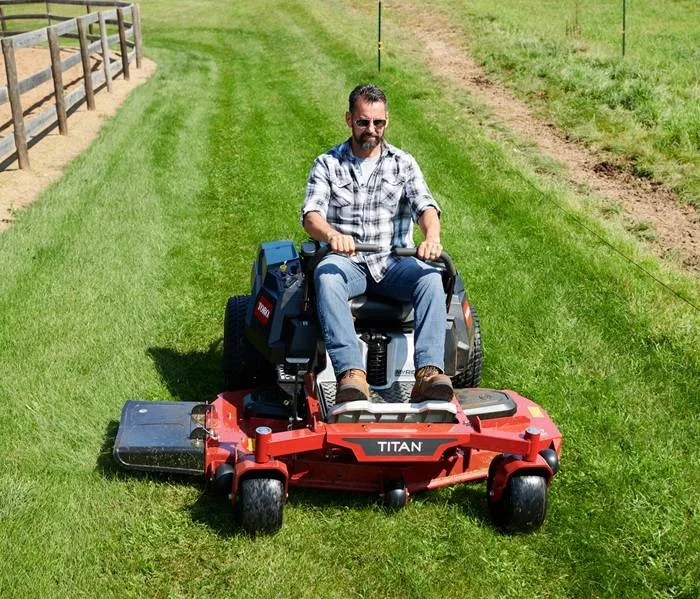
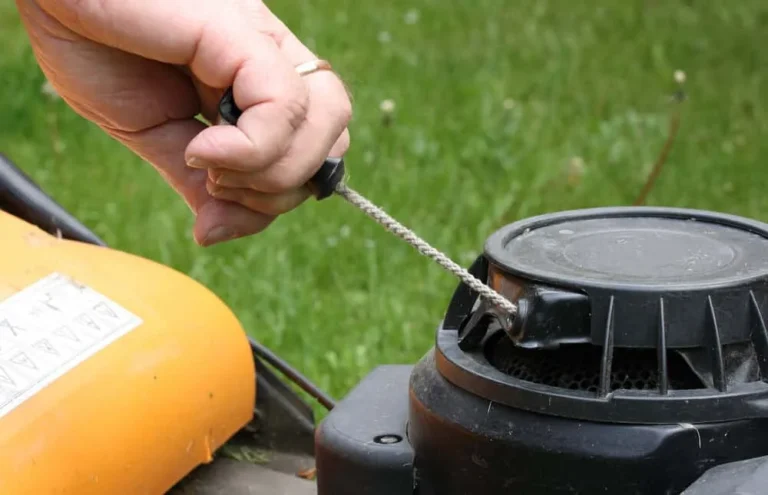
Image source: Web (Bing) / landscapesupplywaco.com (Web image (fair-use with source credit))
Quick Answer
How long does a lawn mower last depends on the type and how well you maintain it. A gas push mower typically lasts 8 to 12 years. An electric battery mower lasts 5 to 10 years.
A riding mower can last 10 to 20 years. Regular maintenance roughly doubles any lifespan.
What Determines How Long Your Lawn Mower Lasts
Lawn mower lifespan is not random. It comes down to four variables that anyone can evaluate.
Usage Hours
A mower running 20 hours a year wears out much slower than one running 300. Average homeowners mow for roughly 20 to 50 hours per season. Commercial landscaping crews hit 200 to 800 hours a year.
If you know your annual hours, you have the single biggest predictor of lifespan.
Engine Type and Quality
Consumer-grade small engines from Briggs & Stratton or Kohler typically last 500 to 1,000 hours. Honda and Kawasaki engines on mid-range and commercial mowers often exceed 2,000 hours. Battery motors have their own curve.
They don't wear the way combustion engines do. But lithium-ion cells degrade with every charge cycle.
Maintenance Habits
Oil changes, air filter service, and blade sharpening are not optional extras. They are the difference between a mower that runs 10 years and one that dies at 4. Penn State Extension recommends small engine owners follow a strict seasonal maintenance schedule, not just fix things when they break.
That one habit shift can add years to a mower's life.
Storage Conditions
A mower sitting in a damp shed for six months in a cold climate will rust and corrode faster than one stored dry and clean. Fuel left in the tank goes stale. Corroded electrical connections kill electric mowers.
Proper winterization is just as important as mowing itself.
| Factor | Low Impact | High Impact |
|---|---|---|
| Annual hours | Under 40 | Over 200 |
| Maintenance | Occasional only | Scheduled annually |
| Fuel type | Stale, no stabilizer | Fresh, stabilized |
| Storage | Damp, uncovered | Dry, covered, winterized |
| Engine quality | Budget brand | Honda / commercial grade |
Lawn Mower Lifespan by Type: Gas, Electric, Riding, and Zero-Turn
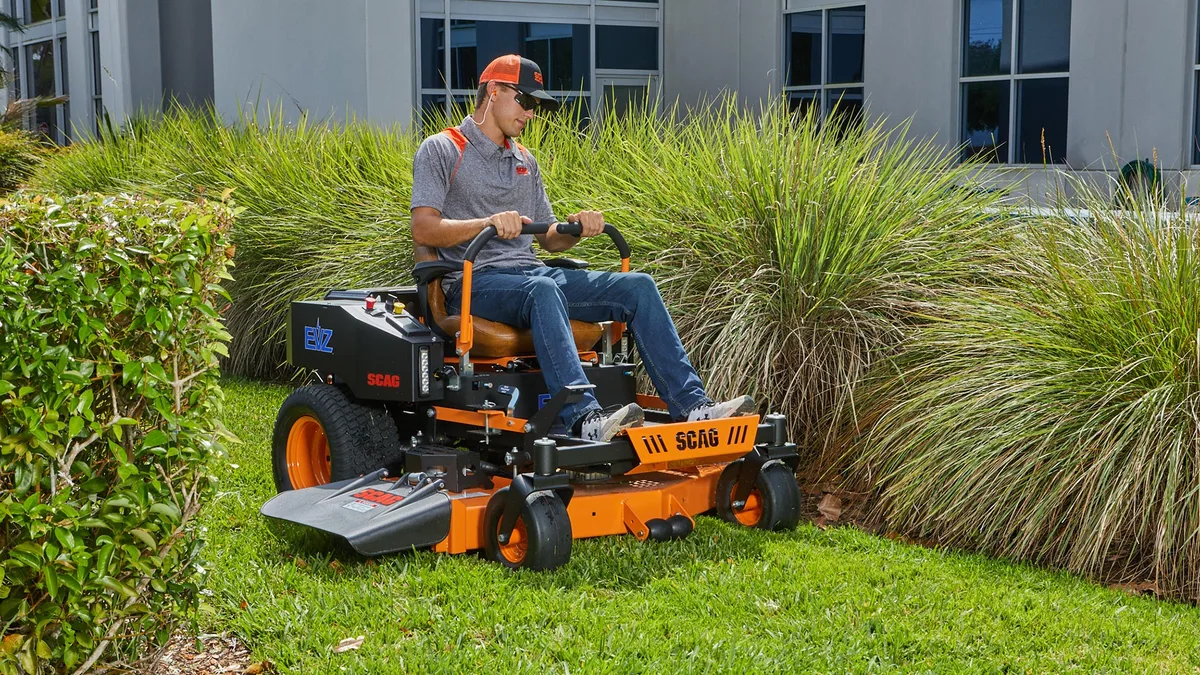
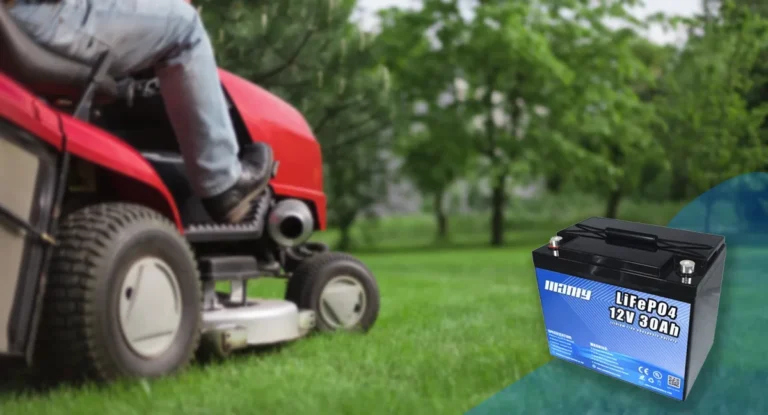
Image source: Web (Bing) / scag.com (Web image (fair-use with source credit))
Different mower types have completely different failure curves. Here is how they stack up.
Gas Push and Self-Propelled Mowers
A typical 4-stroke gas push mower runs 8 to 12 years with basic maintenance. Self-propelled models with belt drives have one extra wear point. The belt and transmission add maintenance but not much risk if you check them yearly.
Mowers with fabricated steel decks hold up longer than stamped decks, especially on uneven terrain.
Battery-Electric Mowers
The mower itself can last 8 to 10 years. The battery is the weak link. Most lithium-ion cells run 500 to 1,000 charge cycles before dropping to 80 percent capacity.
If you mow weekly and charge after each use, that is roughly 4 to 6 years before runtime noticeably drops. As of 2026, several brands now sell replacement batteries that extend electric mower life well past the original purchase.
Riding Mowers
A residential riding mower, often called a lawn tractor, typically lasts 8 to 15 years. The hydrostatic transmission is usually the first expensive component to fail. Regular fluid changes make a big difference.
Larger models with better engine displacement and shaft drives tend to outlast cheaper belt-driven units.
Zero-Turn Mowers
Consumer-grade zero-turn mowers run 5 to 10 years. Commercial zero-turn mowers from brands like Scag, Toro, and Husqvarna can last 15 to 20 years or more. The dual hydro-drive system is more complex.
That means more maintenance, but also more capability. If you mow large properties, the cost per hour favors a zero-turn over a riding mower in the long run.
| Mower Type | Expected Lifespan | Biggest Wear Component |
|---|---|---|
| Gas push mower | 8 to 12 years | Engine block, carburetor |
| Self-propelled gas | 8 to 12 years | Belt drive, engine |
| Battery electric | 5 to 10 years | Lithium-ion battery |
| Riding mower | 8 to 15 years | Hydrostatic transmission |
| Consumer zero-turn | 5 to 10 years | Hydro-drive system |
| Commercial zero-turn | 15 to 20+ years | Engine, deck, drive system |
| Reel mower (manual) | 15 to 25+ years | Blade edge wear |
The Main Reasons Lawn Mowers Die Before Their Time
Most mowers do not die because they wore out. They die because of neglect, bad fuel, or misuse. These are the most common failure points.
Stale and Ethanol-Blend Fuel
E10 gasoline is the standard fuel at most pumps as of 2026. The U.S. Environmental Protection Agency regulates the small engine emissions standards behind that fuel blend.
Ethanol attracts moisture and corrodes carburetor components over time. If a mower sits for 30 days or more without a fuel stabilizer, the fuel gums up and the carburetor jets clog. This is the number one reason gas mowers fail to start the following spring.
Skipping Oil Changes
Small engines produce a lot of internal heat. Oil breaks down under that heat. Ignoring oil changes causes carbon buildup, increases friction, and shortens engine life dramatically.
Manufacturer specs typically call for oil changes every 50 to 100 operating hours. Most homeowners never track hours, so they skip it until the engine seizes.
Ignoring Blade Maintenance
A dull blade tears grass instead of cutting it. That puts extra load on the engine and deck. Unbalanced blades cause vibration, which wears out deck bearings and pulleys faster.
Sharpening every 20 to 25 mowing hours keeps the whole system running efficiently.
Running the Mower into Hard Objects
Hitting a rock, tree root, or curb can crack the deck or bend the blade shaft. This kind of damage is common and expensive to repair. Stamped steel decks are more vulnerable than fabricated decks.
If you have rocky terrain, a fabricated or reinforced deck saves money in the long run.
Battery Neglect (Electric Mowers)
Storing a lithium-ion battery fully charged in a freezing garage or fully depleted in a hot shed both accelerate degradation. The best practice is charging to around 50 to 60 percent and storing in a cool, dry location over winter. Failing to do this can cost you two or three years of usable runtime.
| Failure Cause | Affects | Typical Repair Cost |
|---|---|---|
| Ethanol fuel damage | Gas mowers | $100 to $250 (carburetor rebuild) |
| Oil change neglect | Gas mowers | Engine rebuild or replacement |
| Dull / unbalanced blades | All powered mowers | $20 to $40 per blade sharpening |
| Deck impact damage | Gas & electric mowers | $150 to $400 (deck patch or replace) |
| Hydrostatic transmission wear | Riding & zero-turn mowers | $500 to $1,200 |
| Battery degradation | Battery-electric mowers | $100 to $300 per replacement battery |
Maintenance Schedule That Actually Extends Lawn Mower Life
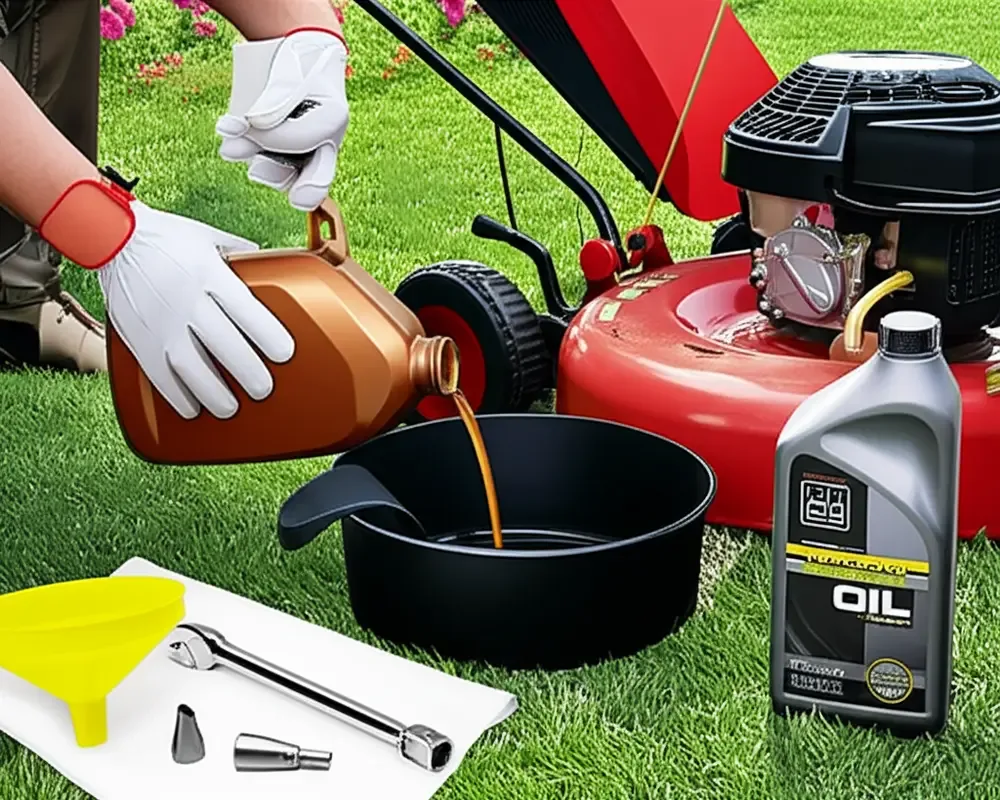
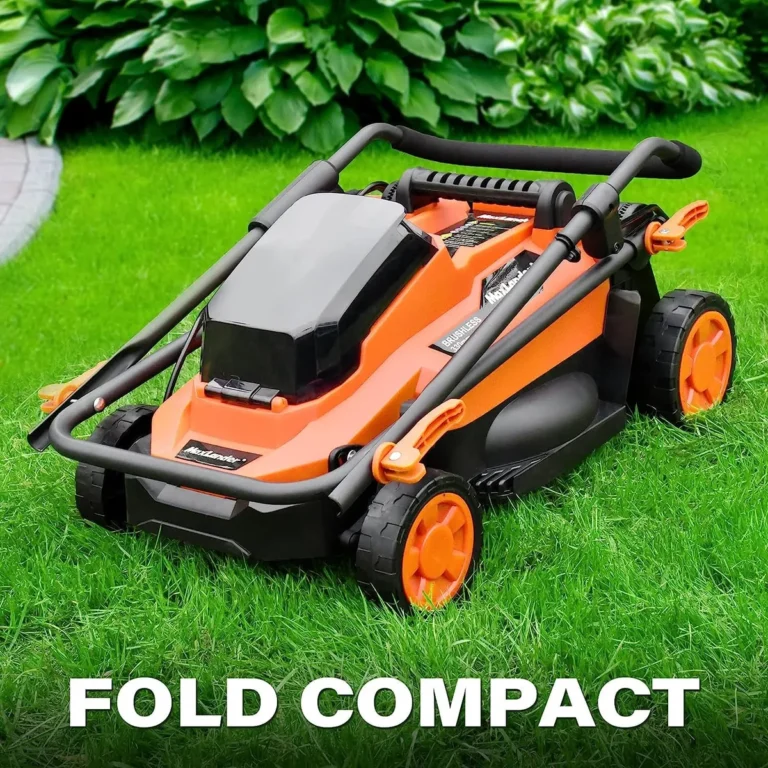
Image source: Web (Bing) / gardenitemreviews.com (Web image (fair-use with source credit))
A consistent maintenance schedule is the single most effective way to extend any mower's lifespan. You don't need to be a mechanic. You need a calendar and a basic tool kit.
Before Mowing Season
- Check and replace the spark plug if it has more than 300 hours on it.
- Clean or replace the air filter. Paper filters are disposable. Foam filters are washable.
- Change the oil. Drain the old oil completely and refill to the specified level.
- Inspect and sharpen or replace the blade. Balance it after sharpening.
- Check tire pressure on riding and zero-turn mowers.
- Add fuel stabilizer if any old fuel remains from last season.
- For electric mowers, fully charge the battery before first use.
During Mowing Season
- Check oil every 25 to 50 hours or once a month.
- Blow off or wash the deck after each use. Grass clippings hold moisture and cause rust.
- Sharpen the blade every 20 to 25 mowing hours.
- Inspect the belt on self-propelled and riding mowers monthly.
- Top off fuel with fresh gasoline. Never leave stale fuel sitting.
End of Season (Winterization)
- Drain or stabilize all fuel remaining in the tank.
- Run the engine briefly to circulate stabilized fuel through the carburetor.
- Change the oil one final time before storage.
- Clean and dry the deck thoroughly.
- For electric mowers, charge the battery to 50 to 60 percent and store it indoors.
- Cover or store the mower in a dry, sheltered location. Avoid damp garages or sheds.
Repair or Replace? How to Decide Before Mowing Season
The make-or-replace decision comes down to a simple cost comparison. If repair costs exceed 50 to 70 percent of the price of a comparable new mower, replacement is usually the smarter move.
When to Repair
- The mower has fewer than 500 operating hours.
- The engine runs but has a minor issue like a clogged carburetor or worn belt.
- The cost of repair is under $200 and the mower has a solid maintenance history.
- You plan to keep the mower for several more years.
- The deck and frame are in good structural condition.
When to Replace
- The engine has been rebuilt more than once and still runs poorly.
- The hydrostatic transmission fails on a riding mower and the quote exceeds $800.
- The mower has visible structural damage to the deck or frame.
- Repair costs approach or exceed 60 to 70 percent of a new unit's price.
- The mower is an older model with scarce replacement parts.
One practical approach: get a written estimate from a repair shop before making the decision. A $60 carburetor rebuild is an easy yes. A $900 transmission repair on a 10-year-old riding mower is almost always a no.
Which Lawn Mower Lasts Longest? A Quick Decision Guide
If you're buying a mower for the long haul, the decision tree is straightforward. Match your needs to the platform that fits, then commit to maintenance.
Best Lifespan Per Dollar
- Under 1/4 acre, flat terrain: A gas push mower with a Honda or Briggs & Stratton engine gives you the best cost-per-year value. Expect 8 to 12 years if you change the oil.
- 1/4 to 1/2 acre, mixed terrain: A self-propelled gas mower or a 56V/60V battery electric mower both work well. Electric saves time on maintenance. Gas offers more runtime per session.
- 1/2 to 1 acre: A riding mower with a hydrostatic transmission is the standard choice. Budget 10 to 15 years with transmission fluid changes every two seasons.
- 1 acre or more, or heavy use: A zero-turn mower, preferably commercial-grade, gives you the best long-term return. Higher upfront cost. Much lower cost per hour over time.
- Minimal maintenance interest: A corded electric mower or a modern battery-electric platform has fewer mechanical parts to service. The trade-off is battery replacement every 3 to 5 years.
The One Rule That Applies to Every Mower
Follow the maintenance schedule from earlier in this article and you will roughly double the lifespan of any mower. Skip it, and the brand you buy stops mattering.
| Your Situation | Recommended Mower Type | Expected Lifespan |
|---|---|---|
| Small yard, low budget | Gas push mower | 8 to 12 years |
| Medium yard, want less maintenance | Battery electric | 5 to 10 years |
| Large yard, long-term ownership | Riding mower | 10 to 15 years |
| Very large yard, frequent use | Zero-turn mower | 10 to 20 years |
Frequently Asked Questions
How many years does a lawn mower typically last?
A consumer gas push mower lasts 8 to 12 years with basic maintenance. Battery-electric mowers run 5 to 10 years. Riding mowers and zero-turn mowers can last 10 to 20 years if serviced regularly.
The actual lifespan depends heavily on annual usage hours and how well the mower is maintained.
Do riding mowers last longer than push mowers?
Generally, yes. Riding mowers have larger engines and more robust components designed for sustained use. A well-maintained riding mower can last 10 to 15 years.
A push mower under similar maintenance lasts 8 to 12 years. That said, a neglected riding mower costs far more to repair than a neglected push mower.
Can a lawn mower last 20 years?
Yes, but it requires consistent maintenance and typically a commercial-grade engine. Honda and Kawasaki small engines regularly exceed 2,000 hours when oil changes are kept up. Reel mowers with few moving parts can exceed 20 years easily.
For a standard consumer gas mower, 20 years is uncommon but not impossible.
What is the most common reason lawn mowers fail early?
Stale, ethanol-blend fuel left in the tank over winter is the number one cause. It corrodes carburetor components and clogs fuel jets. The second most common cause is skipped oil changes, which lead to engine damage that is expensive to repair.
Both are fully preventable with basic habits.
Is it worth repairing a 10-year-old lawn mower?
It depends on the repair cost and the mower's remaining value. If the repair quote is under 50 percent of a new comparable mower's price and the mower has been well maintained, it is usually worth fixing. If the engine or transmission needs major work, replacement makes more financial sense.
How do I make my lawn mower last longer?
Change the oil every 50 to 100 hours. Sharpen blades every 20 to 25 mowing hours. Clean or replace the air filter annually.
Use fuel stabilizer every fall. Store the mower dry and covered. These five habits alone can push a mower's lifespan well past its typical range.