How Do I Make My AC More Energy Efficient?
Figuring out how to make your AC more energy efficient is a smart move for anyone looking to cut down on utility bills and keep their home comfortable without breaking the bank. That humming box in your house can be a serious energy hog if it's not running at peak performance. We've gathered the most effective strategies based on extensive research and manufacturer specifications, so you can get your AC working smarter, not harder.
The good news is that significant energy savings are often within reach through simple maintenance and a few strategic upgrades. For instance, a properly maintained AC unit can be 15-20% more efficient than one that's neglected. Understanding your system's Seasonal Energy Efficiency Ratio (SEER) rating is a good starting point, as higher SEER units generally use less electricity.
Let's dive into the steps that will make a real difference.
Quick Answer
To make your AC more energy efficient, replace dirty air filters regularly, seal air leaks around windows and doors, and ensure your home is well-insulated. Upgrading to a smart thermostat, cleaning your AC coils, and getting professional tune-ups also significantly boost efficiency. These actions reduce energy waste, lower utility bills, and improve home comfort.
Why Your AC Feels Like It's Chugging Electricity
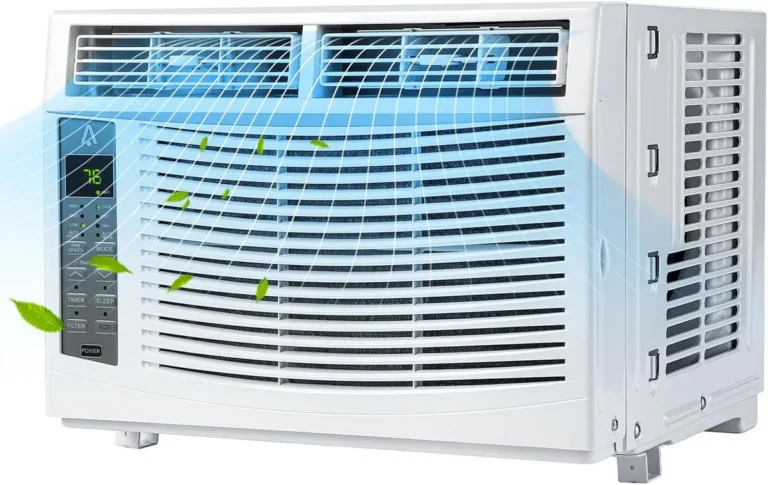
Your air conditioning system is designed to cool your home, but it uses a substantial amount of electricity to do so. When it's not running efficiently, that electricity gets wasted, leading to higher energy bills and a less comfortable environment. Several factors contribute to this inefficiency, essentially turning your AC into an energy guzzler rather than an efficient cooler.
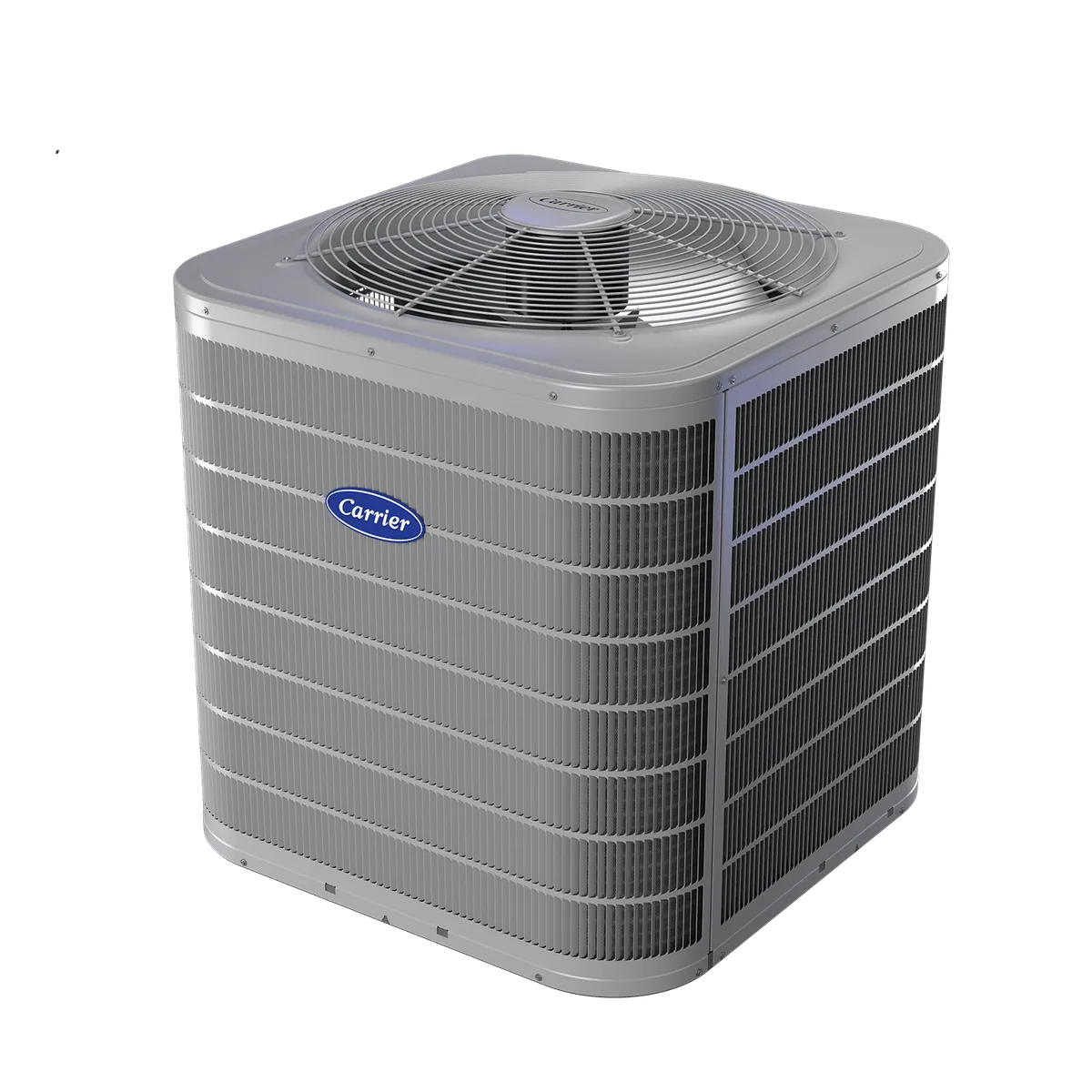
Image source: Bing (Web (fair-use with source credit))
High Energy Bills Are a Symptom, Not the Disease
That shocking jump in your monthly electricity bill during warmer months often points directly to your AC working overtime. This isn't just bad for your wallet; it means your system is expending more energy than necessary to achieve the desired temperature. This waste happens when components aren't clean, air is escaping your home, or the system itself is outdated.
Essentially, you're paying to cool the outside air or to compensate for your home's own inefficiencies.
Is Your AC System Designed for Efficiency?
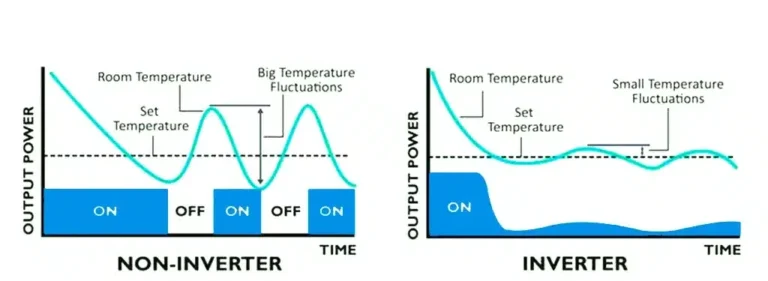
The efficiency of your AC unit is largely determined by its design and its components. A system's Seasonal Energy Efficiency Ratio (SEER) rating is a key indicator. Manufacturer specifications show that units with higher SEER ratings consume less power to provide the same amount of cooling.
For context, newer minimum standards often require SEER ratings of 13 or higher in many regions, but older systems might be significantly lower, making them inherently less efficient from the start.
The Quickest Wins: Low-Hanging Fruit for AC Savings
When you're looking for fast, impactful ways to improve your AC's energy efficiency, start with the easy fixes that don't require a major overhaul. These are the everyday habits and simple checks that can lead to noticeable savings. They often get overlooked because they seem too basic, but their cumulative effect is significant.
Smart Thermostat vs. Programmable: Picking Your Brainy Control
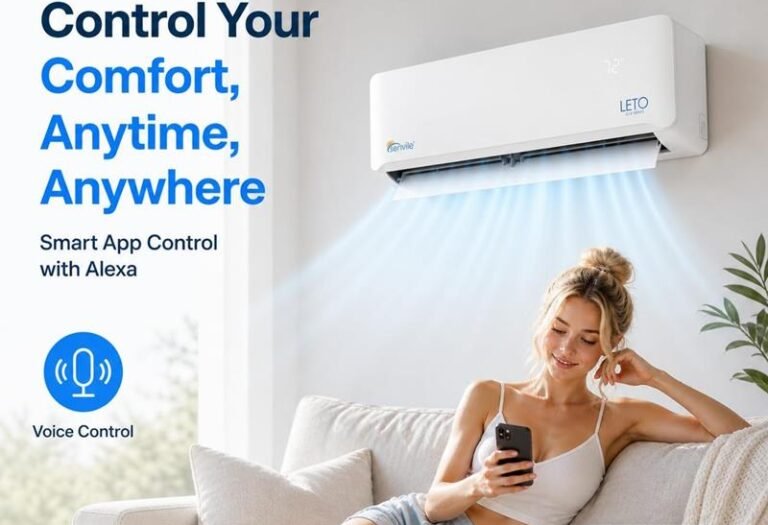
Choosing the right thermostat can make a big difference in how your AC operates. A programmable thermostat allows you to set specific temperature schedules for different times of the day or week, aligning cooling with when you're actually home. This prevents unnecessary cooling when you're away or asleep.
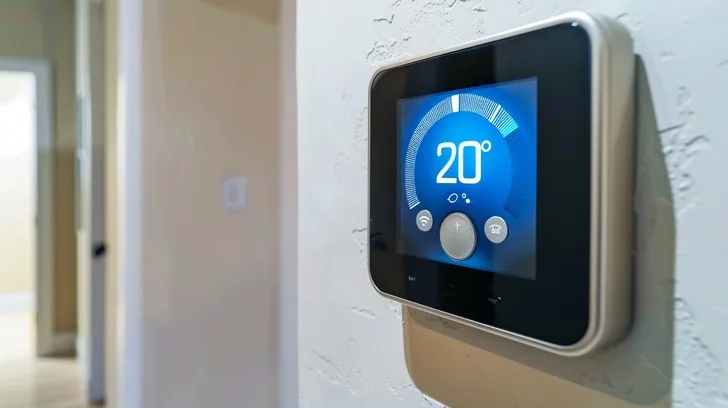
Image source: Web (Bing) / stockcake.com (Web image (fair-use with source credit))
A smart thermostat takes this a step further. These devices connect to your home Wi-Fi and can be controlled remotely via a smartphone app. Many also learn your habits over time and can automatically adjust settings to optimize energy use.
Some smart thermostats can even adjust based on local weather forecasts or your presence at home using geofencing. Per U.S. Department of Energy guidance, using a programmable or smart thermostat can save you about 10% a year on heating and cooling costs if used properly.
Air Filters: The Tiny Heroes of AC Efficiency
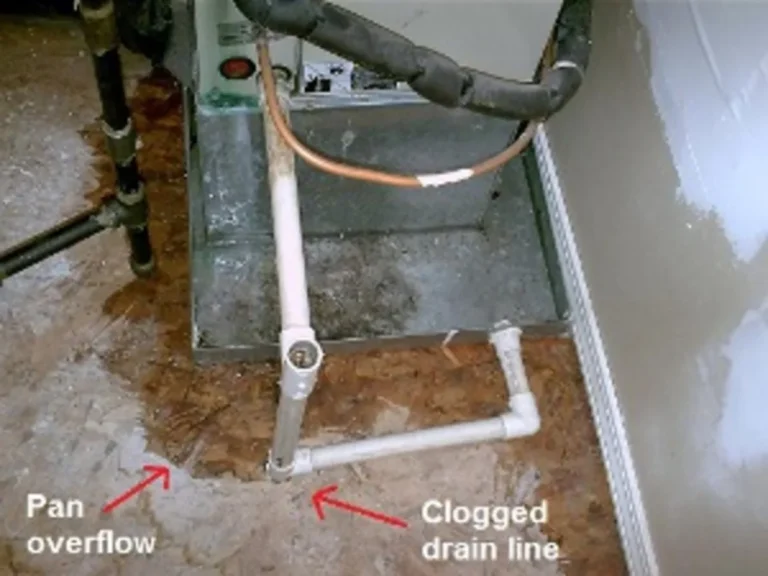
Your AC unit's air filter is crucial for both air quality and system efficiency. Its primary job is to trap dust, pollen, and other airborne particles before they can enter your system's delicate components or circulate through your home. When this filter gets clogged with debris, it restricts airflow.
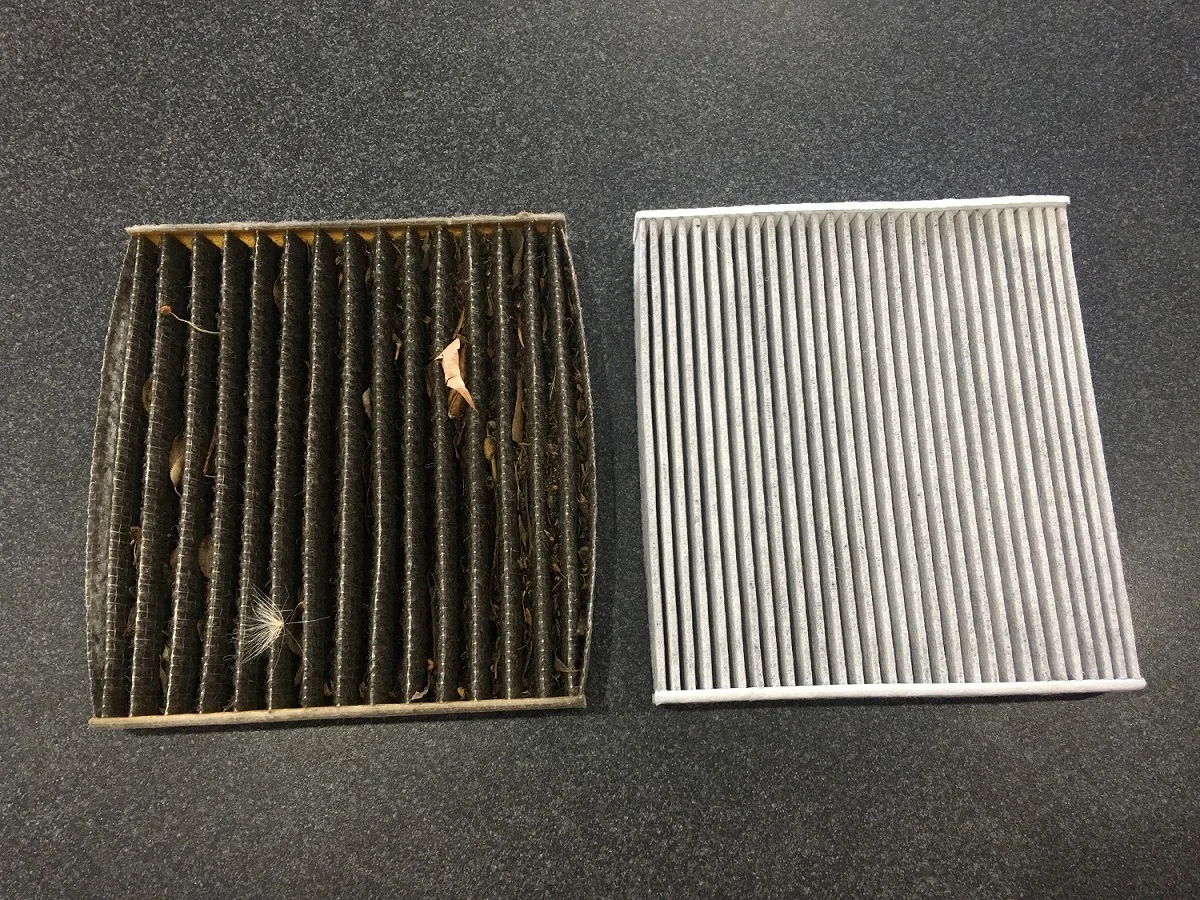
Image source: Web (Bing) / monlivrepratique.com (Web image (fair-use with source credit))
This restricted airflow forces your AC's fan motor to work harder, consuming more energy. It can also lead to the evaporator coil freezing up, further reducing efficiency and potentially damaging the system. Manufacturer recommendations consistently advise checking and replacing or cleaning your air filter every 1-3 months, depending on the filter type and your home environment (e.g., pets, allergies).
Using a higher-quality filter, like a MERV 11-13, can capture more particles without overly restricting airflow, provided your system is designed to handle it.
Digging Deeper: Addressing the Bigger Energy Hogs
Once you've tackled the quick wins, it's time to look at the more significant areas where your AC might be losing energy. These often involve your home's structure and the AC system's hidden components. Addressing these can lead to substantial, long-term energy savings.
Sealing the Leaks: Where the Cool Air Escapes Your Home
Think of your home like a balloon. If there are tiny holes, the air inside will inevitably leak out, and outside air will seep in. For your AC, this means the cool, conditioned air you paid to create is escaping through gaps and cracks in your home's "envelope." This forces your AC to run longer and harder to maintain the set temperature.
Common culprits for air leaks include:
- Around windows and door frames
- Electrical outlets and switch plates on exterior walls
- Plumbing and wiring penetrations through walls and ceilings
- Attic hatches and basement rim joists
- Gaps where different building materials meet
Using caulk for small cracks and gaps, and weatherstripping for moving parts like doors and windows, can effectively seal these leaks. A professional home energy audit can pinpoint the most significant leak points, often using tools like a blower door test to quantify air leakage.
Insulation: Your Home's Cozy Blanket Against Heat
Proper insulation acts as a barrier, preventing heat from transferring into your home during hot weather and escaping during cold weather. If your attic, walls, or crawl spaces are under-insulated, your AC will be constantly fighting against the external heat trying to infiltrate your living space. This is especially true in attics, which can become incredibly hot under direct sunlight.
Aggregated data suggests that upgrading attic insulation can reduce cooling costs by as much as 10-15% annually. Common insulation types include fiberglass batts, spray foam, and cellulose. The R-value of insulation indicates its resistance to heat flow; higher R-values mean better insulation.
Building codes and recommendations from organizations like the U.S. Department of Energy provide guidelines for appropriate R-values based on your climate zone.
Ductwork Decisions: The Hidden Path to Efficiency
Your ductwork system is the network of channels that delivers cooled air from your AC unit to different rooms in your house. If these ducts are leaky, poorly connected, or not properly insulated, a significant amount of that conditioned air can be lost into unconditioned spaces like attics, crawl spaces, or wall cavities before it ever reaches your living areas.
Research indicates that duct leakage can account for 10-30% of a home’s energy loss. Sealing these leaks is crucial. This typically involves using mastic sealant or specialized metal tape on all joints, seams, and connections in the duct system.
For ducts running through unconditioned spaces, adding insulation around them further prevents temperature exchange with the environment. Professional HVAC technicians can perform duct leakage tests and sealing to ensure optimal performance.
Beyond the AC Unit: Smart Cooling Habits
Making your AC more energy efficient isn't just about the unit itself or the insulation of your home; it's also about how you use your cooling system and the other tools at your disposal. Simple lifestyle adjustments and smart usage patterns can significantly reduce the workload on your AC, leading to lower energy consumption and more comfortable indoor temperatures.
Using Fans to Make the AC Work Less
Ceiling fans and portable fans are powerful allies in your quest for an energy-efficient home. While fans don't actually lower the room temperature, they create a wind-chill effect by moving air across your skin, making you feel cooler. This means you can often set your thermostat a few degrees higher when fans are in use, saving a considerable amount of energy.
According to the U.S. Department of Energy, for every degree you raise your thermostat in the summer, you can save 1-3% on your cooling bill. Using ceiling fans in conjunction with your AC allows you to raise the thermostat setting by up to 4°F without sacrificing comfort.
Remember to turn fans off when you leave a room; they cool people, not spaces, so they only save energy when occupied.
Window Treatments and Strategic Shading
The sun's direct rays can dramatically increase the temperature inside your home, forcing your AC to work much harder. Strategically using window treatments and external shading can block a significant portion of this solar heat gain. This is particularly effective for windows that receive direct sunlight during the hottest parts of the day.
- Blinds and Curtains: Keeping blinds or curtains closed on sun-facing windows can block a lot of heat. Lighter-colored window treatments reflect more sunlight than darker ones. Energy Star reports that proper window treatments can reduce heat gain by up to 80%.
- External Shading: Awnings, shutters, or even strategically planted trees and shrubs can offer even greater protection by blocking the sun before it even reaches the window. Deciduous trees are ideal, providing shade in the summer but allowing sunlight through in the winter for warmth.
By combining these simple habits with system maintenance, you'll see a noticeable improvement in your AC's efficiency and your home's overall comfort.
When to Call in the Pros: Expert AC Tune-Ups
While many energy-saving measures can be tackled by homeowners, some tasks require the expertise and specialized tools of a qualified HVAC professional. Regular professional maintenance is one of the most critical, yet often overlooked, aspects of keeping your AC running at its peak efficiency and preventing costly breakdowns. It’s an investment that pays for itself through energy savings and extended equipment life.
What a Professional Tune-Up Covers
A comprehensive AC tune-up involves a thorough inspection and servicing of your entire HVAC system. Technicians will typically perform several key tasks that go beyond basic DIY maintenance. These checks ensure that all components are functioning correctly and efficiently, catching potential problems before they escalate.
A professional tune-up usually includes:
- Cleaning Condenser and Evaporator Coils: These coils are essential for heat transfer. When they're dirty, the AC struggles to dissipate heat effectively, drastically reducing efficiency.
- Checking Refrigerant Levels: Incorrect refrigerant charge is a major cause of inefficiency and can damage the compressor. This requires specialized equipment to measure accurately.
- Inspecting Electrical Connections: Loose or corroded connections can lead to system malfunctions and energy waste.
- Lubricating Moving Parts: Proper lubrication reduces friction, allowing motors and fans to operate more smoothly and efficiently.
- Testing Thermostat Calibration: Ensuring your thermostat is accurately reading temperatures and communicating properly with the system.
- Checking Airflow and Blower Operation: Verifying that air is moving through the system at the correct rate.
These services are recommended at least annually, typically in the spring before the cooling season begins, to ensure your AC is ready to operate efficiently throughout the summer.
Decoding AC Efficiency Ratings (SEER & EER)
Understanding your AC unit's efficiency ratings is key to knowing its potential for energy savings. The most common ratings are SEER (Seasonal Energy Efficiency Ratio) and EER (Energy Efficiency Ratio). These numbers help consumers compare the energy performance of different air conditioning units.
- SEER (Seasonal Energy Efficiency Ratio): This rating measures an AC unit's cooling efficiency over an entire cooling season. It's calculated by dividing the total cooling output in British thermal units (BTUs) by the total electrical energy input in watt-hours during that season. A higher SEER rating indicates greater efficiency. For example, a unit with a SEER of 16 is more efficient than a unit with a SEER of 13. The minimum SEER rating required by law varies by region in the United States, with many areas now requiring a minimum of 14.5 or 15 SEER.
- EER (Energy Efficiency Ratio): EER measures the AC's efficiency at a single, specific outdoor temperature (usually 95°F). It's calculated similarly to SEER but under a constant set of conditions. While SEER is more representative of overall seasonal performance, EER is useful for comparing units under peak operating conditions.
When purchasing a new AC system, looking for units with high SEER ratings (typically 16 or above) can lead to significant long-term energy savings. However, remember that even the most efficient unit won't perform optimally without proper maintenance and a well-sealed, insulated home.
Avoiding Costly Mistakes with Your AC Efficiency Efforts
While aiming for a more energy-efficient AC is commendable, there are common pitfalls that can either lead to wasted money on ineffective improvements or, worse, damage your system. Understanding these mistakes can help you focus your efforts and resources where they'll have the most impact. It’s about making informed decisions rather than guessing.
DIY Traps and What to Watch Out For
Many homeowners try to tackle AC efficiency tasks themselves to save money. While some tasks, like changing air filters or closing blinds, are perfectly suited for DIY, others can lead to costly errors if not done correctly. For instance, attempting to seal ductwork without proper knowledge can result in incomplete sealing or even damage to the ducts themselves.
Over-tightening screws on duct connections might create new leaks, and using the wrong type of sealant can lead to premature failure. Similarly, if you're considering adding insulation, understanding the different types and their installation requirements is crucial. Improper installation of spray foam insulation, for example, can lead to off-gassing or incomplete coverage, negating its benefits.
Always research thoroughly or consult a professional for tasks involving electrical components or refrigerant.
Overlooking the Home's Envelope
A common mistake is focusing solely on the AC unit itself while neglecting the building's "envelope", the walls, windows, doors, and attic that separate the conditioned interior from the unconditioned exterior. Improving your AC's efficiency is like putting a high-performance engine in a car with a leaky fuel tank; the benefits are significantly diminished. Aggregate data suggests that homes with poor insulation and air sealing can lose 20-30% of their conditioned air.
This means your AC has to run much longer to compensate for the constant influx of hot outside air. If you've upgraded your AC unit or thermostat but are still seeing high energy bills, the issue likely lies within your home's structure. Prioritizing air sealing and insulation upgrades before or alongside AC improvements often yields a far greater return on investment for overall energy efficiency.
Frequently Asked Questions About AC Energy Efficiency
How often should I replace my AC air filter?
You should check your AC air filter monthly and replace it every 1 to 3 months. This frequency can vary based on your home's environment; for instance, homes with pets or allergies may need more frequent changes. A clogged filter restricts airflow, making your AC work harder and consume more energy.
Can a smart thermostat really save me money?
Yes, a smart thermostat can save you money by optimizing your AC's operation. It learns your schedule and preferences, automatically adjusting the temperature when you're away or asleep. Manufacturer data suggests potential savings of 10-15% annually on heating and cooling costs when used correctly.
Is it worth upgrading to a higher SEER rated AC unit?
Upgrading to a higher SEER (Seasonal Energy Efficiency Ratio) rated AC unit can significantly reduce your energy bills over the unit's lifespan, especially in hotter climates. Units with SEER ratings of 16 or higher are considerably more efficient than older models or those meeting minimum standards. However, consider the upfront cost versus long-term savings and ensure your home's insulation and ductwork are also efficient.
What's the difference between AC maintenance and AC repair?
AC maintenance involves routine checks and minor servicing to keep your system running efficiently and prevent breakdowns. This includes cleaning coils, checking refrigerant, and inspecting components. AC repair, on the other hand, addresses specific problems that have caused the system to malfunction or stop working altogether.
Regular maintenance can often prevent the need for costly repairs.
Can sealing ductwork improve my AC's efficiency?
Absolutely. Leaky ductwork can account for a substantial amount of energy loss, sometimes 20-30%, by allowing conditioned air to escape into unconditioned spaces. Sealing these leaks with mastic sealant or metal tape is a critical step in improving your AC's efficiency and ensuring cool air reaches all your rooms effectively.
Your Personalized AC Efficiency Action Plan
Making your AC more energy efficient is a journey, not a single destination. Start with the easiest steps, like swapping out air filters and adjusting your thermostat. Then, assess your home's insulation and look for air leaks.
For tasks requiring specialized knowledge, like duct sealing or coil cleaning, don't hesitate to call a qualified HVAC professional.
By systematically addressing these areas, you’ll not only lower your monthly energy bills but also ensure your home stays comfortable year-round and extend the life of your AC system. As of 2026, energy efficiency remains a top priority for homeowners looking to save money and reduce their environmental impact. Implementing these strategies will put you on the path to a smarter, more efficient cooling experience.