Do Solar Security Cameras Have Night Vision?
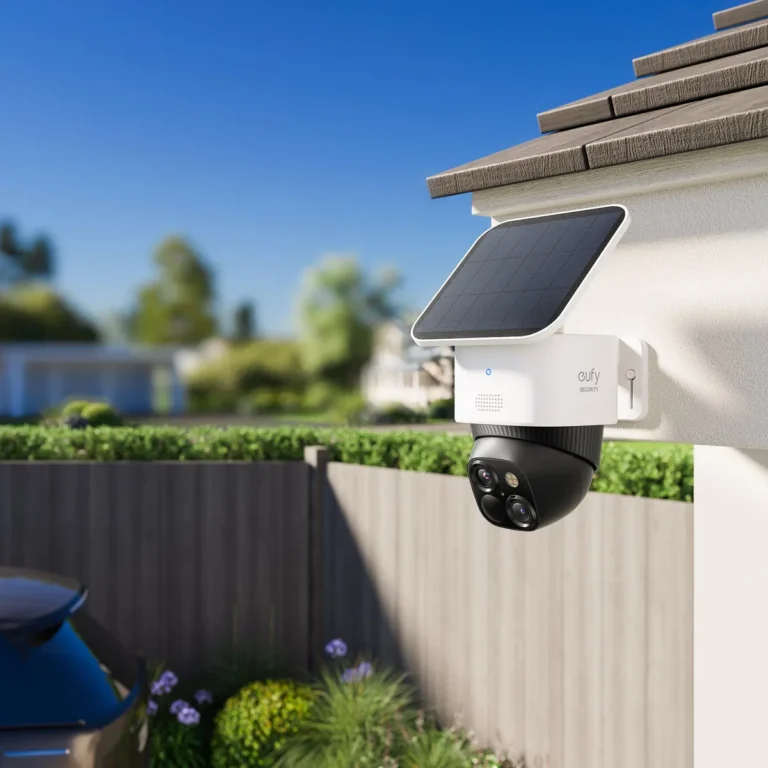
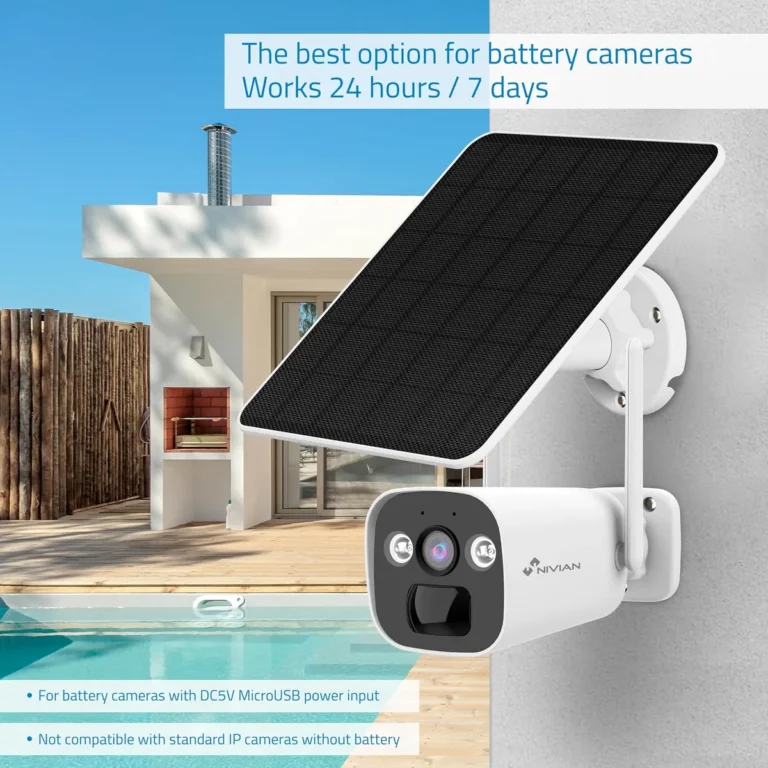
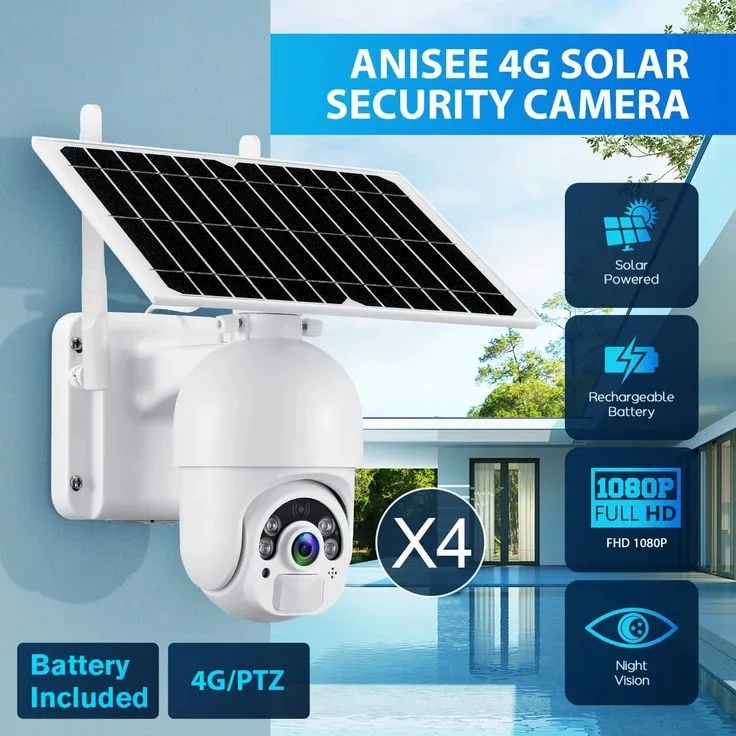
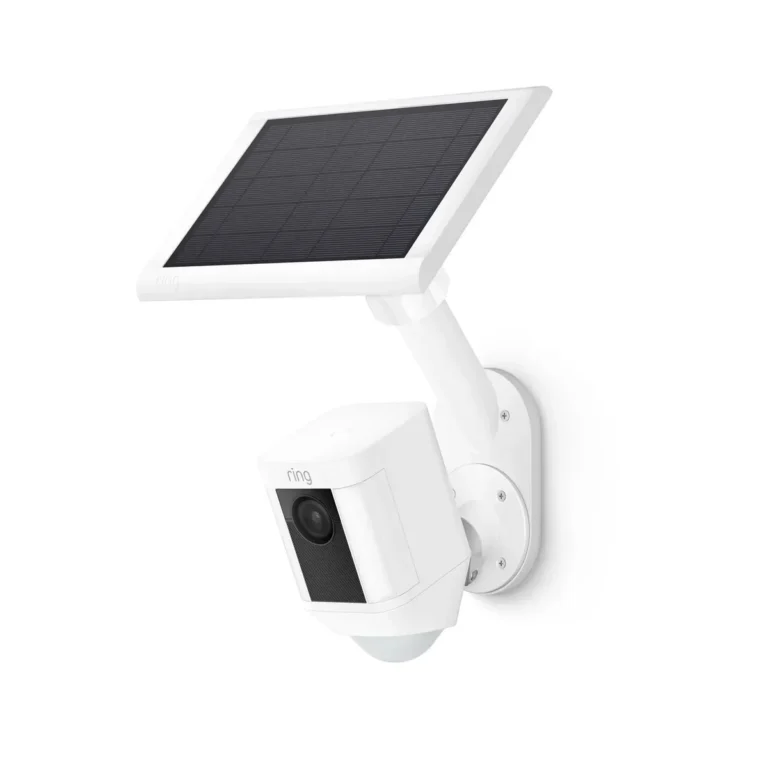
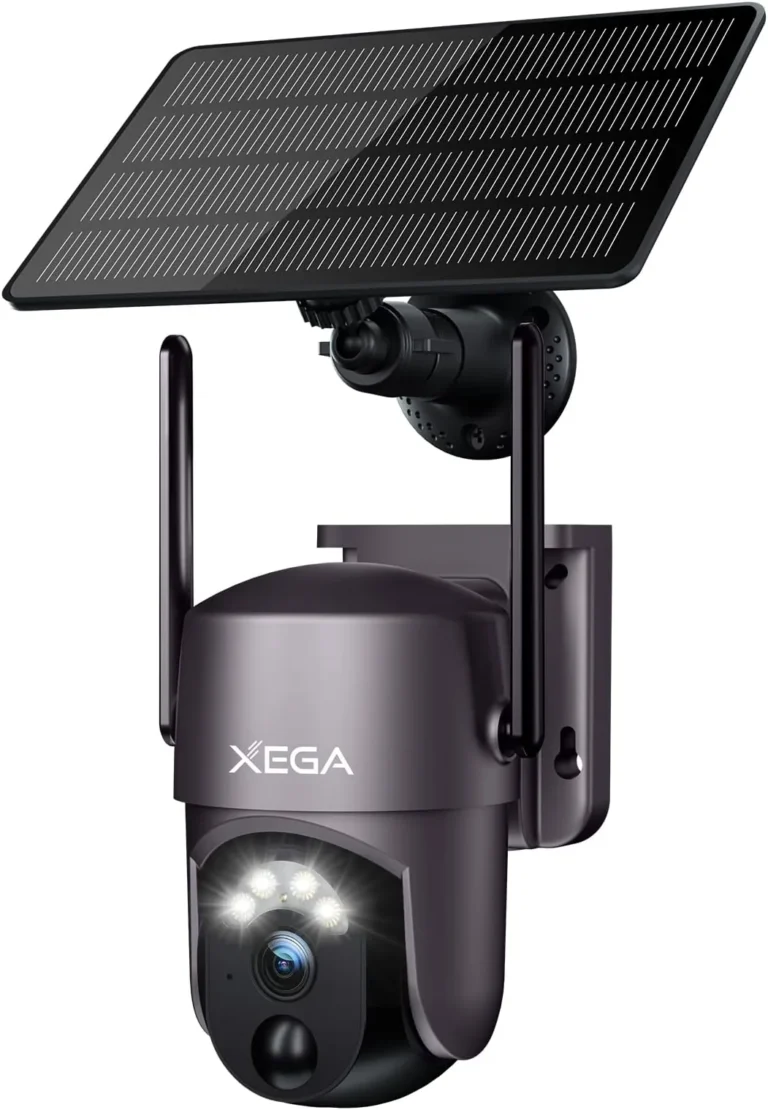
Do solar security cameras have night vision? The short answer is yes, almost all of them do. But the type of night vision you get varies a lot depending on the camera and its price range.
Some rely on standard infrared technology while others offer color night vision or built-in spotlights for better clarity.
Most consumer-grade solar cameras ship with infrared LED night vision rated between 30 and 65 feet (10 to 20 meters). That range covers most driveway and yard monitoring needs without issue. Let's break down how solar camera night vision actually works and which type makes sense for your situation.
Quick Answer: Yes, Most Solar Cameras Do Have Night Vision
Yes, most solar security cameras do have night vision. Standard infrared (IR) night vision is the most common type. It delivers black-and-white footage in darkness up to 30 to 65 feet.
Higher-end models also offer color night vision or spotlight modes. The type you get depends on the camera's price and sensor quality.
Night vision in a solar camera works the same way it does in a hardwired model. The camera's sensor detects low light, then the system switches to an illuminated mode to capture usable footage. What makes solar models different is the power budget.
Night vision draws extra energy from the battery, so how a camera manages that energy matters.
Most solar cameras fall into three night vision categories:
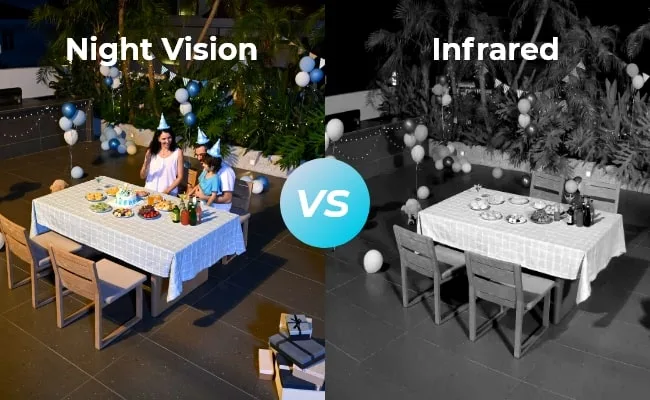
- Infrared (IR) night vision: Uses invisible IR LEDs to illuminate the scene. Footage comes out black-and-white. Range is typically 30 to 65 feet. This is the standard on the vast majority of solar cameras.
- Color night vision: Uses a higher-sensitivity sensor, like a starlight or Sony Starvis sensor, to capture color footage in low light. No supplemental lighting needed. Quality varies by model.
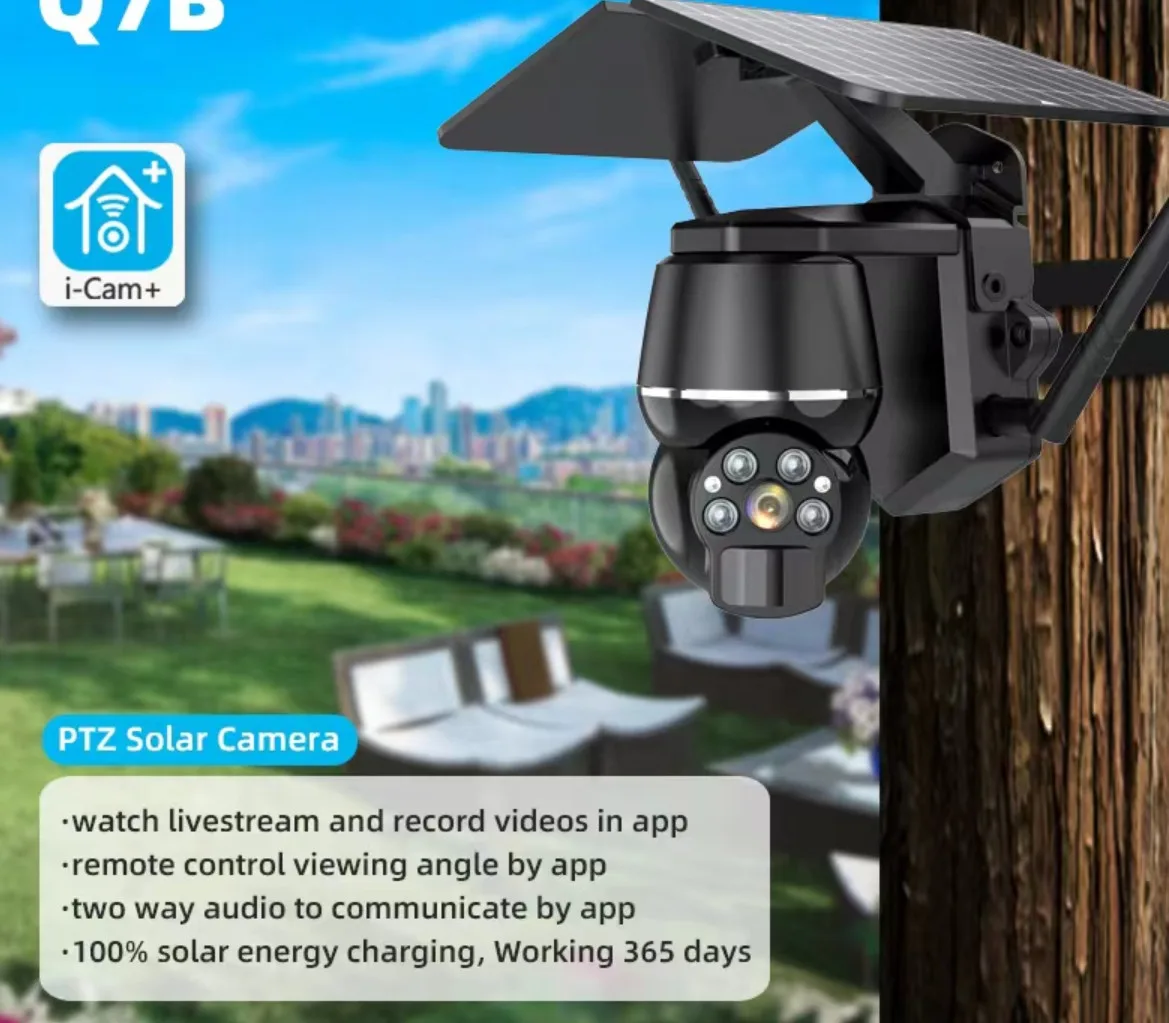
- Spotlight-assisted night vision: A white LED spotlight activates when motion is detected, illuminating the scene in full color. Often paired with IR LEDs so you get two options in one camera.
As of 2026, manufacturer specifications indicate that IR night vision appears on well over 90 percent of consumer solar cameras. Color night vision and spotlight modes are more common on models priced above $150.
The real question isn't just whether solar cameras have night vision. It's which kind. A standard IR camera might give you enough to spot a stranger at the end of your driveway.
A color night vision model can tell you what color their jacket was. That difference matters depending on what you're trying to capture.
How Solar Camera Night Vision Actually Works
Every camera that captures footage in darkness needs one thing: light it can see. Night vision is the system that provides that light or sensitivity. Solar cameras use the same three approaches as hardwired models, but the solar-specific constraints change how each one performs in practice.
Infrared (IR) Night Vision
IR night vision uses a ring of infrared LEDs mounted around the camera lens. These LEDs emit light at around 850 nanometers, a wavelength the human eye cannot detect. The camera sensor picks it up easily and translates it into a visible image.
The result is black-and-white footage with solid clarity within the LED's effective range. Most consumer solar cameras include 8 to 12 IR LEDs, giving you 30 to 65 feet of usable range. IR is reliable and draws minimal power, which is why it dominates the solar camera market.
But IR has real limits. Moisture in the air, like fog, heavy rain, or snow, reflects the IR light back at the camera and washes out the image. IR also can't tell you the color of clothing, a vehicle, or any other identifying detail.
Color Night Vision (Starlight Sensor)
Color night vision takes a different approach entirely. Instead of adding light, the camera uses a highly sensitive sensor called a starlight sensor or Sony Starvis sensor. These sensors can capture usable color footage at light levels as low as 0.01 lux.
No supplemental lighting is needed. The camera records the natural color of the scene even in very low light. The tradeoff is range.
At true darkness, with no ambient light at all, the camera falls back to IR mode anyway.
Color night vision works best when there is at least some ambient light. Streetlights, moonlight, or a neighbor's porch light can keep the sensor in color mode.
Spotlight-Assisted Night Vision
This is the third option, and it has grown popular in recent years. When the camera's motion sensor triggers, usually a PIR (passive infrared) motion detector, a built-in white LED spotlight activates. The camera records full-color video with bright illumination.
Spotlight mode does two things at once. It gives you color footage of the event and it acts as a deterrent on its own. Most spotlight solar cameras also include IR LEDs, so you get both options: IR for passive monitoring and spotlight mode for motion-triggered recording.
Why Solar Cameras Handle Night Vision Differently Than Hardwired Ones
Hardwired cameras run on constant power. They can record continuously at night without worrying about battery drain. Solar cameras operate under different constraints, and those constraints directly affect how well night vision works.
The Battery Budget Problem
Every camera has a power budget. Night vision, whether IR or spotlight, draws more power than daytime recording does. For a hardwired camera, that's a non-issue.
For a solar camera, every milliamp-hour counts.
This is why many solar cameras switch to motion-triggered recording at night. Instead of running continuously, the camera sleeps and wakes only when the motion sensor detects activity. The IR LEDs or spotlight activate during those triggered events and then shut off again.
If your property gets heavy nighttime activity, this mode can mean more missed footage. If activity is light, the battery savings are substantial and coverage stays solid for the events that matter.
Solar Charging and Nighttime Coverage
The battery is only as good as its charging source. Solar panels on consumer cameras typically range from 2W to 10W. On a full sunny day, most panels can fully charge the internal battery, usually 5,000 to 10,000 mAh, in 6 to 12 hours.
If you're in a cloudy region or the panel is shaded for part of the day, charging drops significantly. Winter months with shorter daylight hours compound the problem. In those conditions, a solar camera may not fully recharge between sunset and sunrise.
Your camera's night vision quality and runtime are only as reliable as the previous day's solar charge. Battery safety matters too. The UL certification mark on a camera system indicates the battery and charging components have been tested to recognized safety standards.
Connected solar cameras are also subject to NIST IoT security guidelines, which affect how camera data is transmitted and stored.
The Solar Camera Night Vision Decision Tree
Choosing the right solar camera night vision setup comes down to a few key conditions. Work through these questions and you'll know exactly what to look for.
What Are You Trying to Capture?
If your goal is simple intrusion detection, someone is on your property and you want to know about it, IR night vision is enough. It gives you a clear silhouette and enough detail to trigger an alarm and review footage afterward.
If you need to identify people or vehicles, like what color jacket someone is wearing or what color car they drove in, you need color night vision or a spotlight camera. Standard IR won't give you that level of detail.
How Much Nighttime Activity Do You Expect?
If your property is quiet at night, a motion-triggered solar camera with IR night vision works well. The battery stretches further and coverage stays reliable for the events that matter most.
If your property sees constant activity, such as a busy street or an active construction site, you need a solar camera with a large battery (8,000 mAh or more) and a generous solar panel (5W or above). Or consider a hardwired alternative.
What Climate Are You In?
| Condition | Best Night Vision Approach |
|---|---|
| Sunny, high-exposure location | Any solar camera type; charging keeps batteries full |
| Cloudy or overcast region | Large battery plus IR night vision (lowest power draw) |
| Heavy rain and fog | Color night vision or spotlight mode (IR washes out in moisture) |
| Cold climate with short winter days | Oversized solar panel and large battery to compensate for low sun |
Do You Need Coverage in a Remote Location?
If there is no Wi-Fi at the camera location, a 4G LTE solar camera with IR night vision is your best bet. FCC-certified cellular devices meet regulatory requirements and include their own connectivity.
If Wi-Fi reaches the spot, a standard 2.4 GHz solar camera with IR or color night vision gives you the widest selection and the lowest prices.
Are You Renting or Can't Install Permanent Hardware?
A solar camera with IR night vision is the easiest fit for renters and anyone who can't drill into walls or mount pole hardware. Installation takes 15 to 30 minutes and requires no wiring. Mount a solar panel on an existing surface, run a short cable to the camera, and you're set.
Common Mistakes That Ruin Solar Camera Night Vision Performance
Even a good solar camera with quality night vision can let you down if the setup is wrong. These are the mistakes that come up most often in install guides and verified buyer feedback.
Mounting the Solar Panel in Shade
This is the number one mistake by a wide margin. The panel is the camera's lifeline. If it's shaded by trees, gutters, or neighboring buildings, the battery won't recharge properly overnight.
Position the panel to receive direct sunlight for at least 6 to 8 hours daily. In the Northern Hemisphere, south-facing mounts get the most consistent exposure throughout the year.
Pointing the Camera at a Bright Light Source
If your solar camera faces a streetlight, porch light, or reflective surface, the IR night vision washes out. The sensor gets overwhelmed by the bright source and everything else in the frame goes dark or blurry.
Angle the camera so bright light sources sit at the edge of the frame, not in the center. A quick adjustment here makes a dramatic difference in footage quality.
Setting Motion Sensitivity Too High
Solar cameras often default to a sensitive motion detection setting. This means tree branches, shifting shadows, or passing cars trigger the camera constantly. Each trigger wakes the system, activates the night vision LEDs, and drains the battery.
Tune the sensitivity to ignore small movement and focus on human-sized objects. Most camera apps let you adjust this in the motion detection settings.
Ignoring Weather Effects on IR Performance
IR night vision works well in clear conditions. It degrades quickly in fog, heavy rain, or snow. Moisture in the air reflects the IR light back at the camera, creating a bright, washed-out image.
If you live in a climate with frequent fog or heavy rain, a color night vision or spotlight camera will outperform a basic IR model in those conditions.
Assuming All Solar Cameras Have the Same Night Vision
Budget solar cameras under $75 often use lower-quality IR LEDs with shorter effective ranges, under 30 feet in many cases. They may also use cheaper sensors that produce grainy footage.
Manufacturer specs should list the IR night vision range. If a product listing doesn't specify the range, assume it's on the lower end.
Key Specs and Numbers to Look For Before You Buy
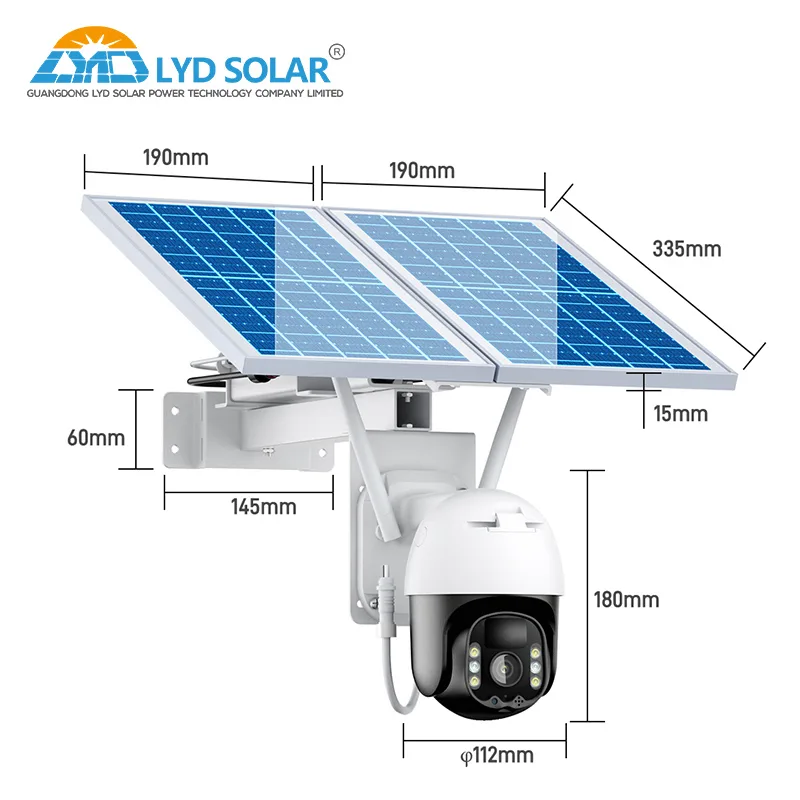
When you're comparing solar cameras, the specs that matter most for night vision performance are these:
| Spec | What to Look For | Why It Matters |
|---|---|---|
| IR night vision range | 30 ft minimum, 50+ ft ideal | Determines how far you can see in darkness |
| Sensor type | Sony Starvis or starlight sensor | Enables color night vision in low light |
| Solar panel wattage | 5W minimum, 10W ideal | More wattage = faster charging = longer runtime |
| Battery capacity | 5,000 mAh minimum, 8,000+ mAh ideal | Larger battery handles motion-triggered night recording |
| Video resolution | 2K or 4K | Higher resolution captures more detail for identification |
| IP rating | IP66 or higher | Weatherproofing protects against rain and dust |
| Motion trigger delay | Under 2 seconds | Faster triggers mean fewer missed events |
| Night vision mode options | IR + spotlight or IR + color | Multiple modes give you flexibility for different conditions |
| Storage | Local microSD (64–256 GB) | No cloud subscription required for reviewing night footage |
For budget-conscious buyers, the sweet spot is a solar camera with IR night vision, a 5W panel, and at least 6,000 mAh of battery capacity. That combination handles most residential use cases without gaps.
If you need color night vision at night, expect to spend more. A camera with a starlight sensor and IR-cut filter typically runs $150 to $250. The investment pays off if identifying details matter for security.
Frequently Asked Questions
Do solar security cameras record at night?
Yes. Solar security cameras record at night using infrared (IR) night vision or color night vision. Most switch to motion-triggered recording to conserve battery power.
Continuous 24/7 recording is possible on solar cameras but drains the battery faster and requires a larger solar panel to compensate.
Can solar cameras see at night without any ambient light?
Yes, most can. Standard IR night vision works in complete darkness because the camera's own IR LEDs illuminate the scene. However, IR footage is black-and-white.
Color night vision needs at least some ambient light to stay in color mode and falls back to IR in full darkness.
How long do solar security camera batteries last at night?
Most consumer solar cameras run 2 to 6 days on battery alone, depending on motion frequency and night vision settings. Motion-triggered recording with IR LEDs extends battery life significantly. Continuous recording with spotlight mode can drain the battery in a single night.
Do cloudy days affect solar camera night vision?
Yes. Cloudy weather reduces solar panel output, which means the battery may not fully recharge overnight. This can limit how long the camera runs its night vision before conserving power.
Models with larger batteries and higher-wattage panels handle overcast conditions better.
Is IR night vision or color night vision better for solar cameras?
IR night vision draws less power and works reliably in all conditions, making it ideal for solar cameras with limited battery capacity. Color night vision produces better identification detail but typically requires a starlight sensor and may fall back to IR in very dark conditions. The best choice depends on whether you need to identify people or just detect motion.
Can I install a solar camera with night vision without wiring?
Yes. Solar cameras are designed for wire-free installation. Mount the camera, position the solar panel for sunlight exposure, connect the system to Wi-Fi or cellular, and configure night vision settings in the app.
Most installations take 15 to 30 minutes with basic tools.
Your Final Decision Guide: Matching Night Vision to Your Situation
Here's how to match your specific needs to the right solar camera night vision setup:
You need basic intrusion detection on a budget. Go with a solar camera with IR night vision, a 5W panel, and a 5,000 to 6,000 mAh battery. This covers most home security needs at a price between $80 and $150. IR footage in black-and-white is enough to confirm a person is on your property and trigger alerts.
You need to identify people or vehicles at night. Choose a solar camera with color night vision (starlight sensor) and IR-cut filter. Budget $150 to $250. Color footage gives you actionable details like clothing color, vehicle color, and license plate visibility at close range.
Your property gets heavy nighttime traffic. Look for a solar camera with a spotlight mode and PIR motion sensor. The spotlight activates on motion, giving you full-color video and acting as a deterrent. Pair it with a 10W panel and 8,000+ mAh battery to handle frequent triggers.
Your location has unreliable solar charging. If you're in a cloudy climate or somewhere with heavy tree cover, prioritize battery capacity over night vision type. A large battery (10,000 mAh) with IR night vision will outperform a fancy sensor that dies before sunrise. Consider hardwired alternatives if solar charging simply won't be enough.
You're renting or can't install permanently. Any IR night vision solar camera works here. Installation requires no wiring and no drilling into structural elements. Mount the panel and camera on existing surfaces, and you're covered.
The bottom line: solar cameras absolutely have night vision. IR night vision is the standard and works for most situations. If you need color footage or better identification, look for starlight sensors or spotlight modes.
Match the night vision type to your specific needs, your local climate, and your budget, and you'll get reliable nighttime footage from your solar camera setup.