Is A Solar Pool Pump Worth Installing: Costs And Benefits
Yes, a solar pool pump can be worth installing when sunlight, pool use, and energy savings align.
Is a solar pool pump worth installing? The answer depends on your pool size, local sun, pump type, electricity rate, and how long you plan to own the home. A solar pump can cut daily operating costs and reduce grid use, but its higher upfront price, variable flow, and installation needs matter. This guide explains the real benefits, limits, costs, and best ways to decide.
What Is a Solar Pool Pump?
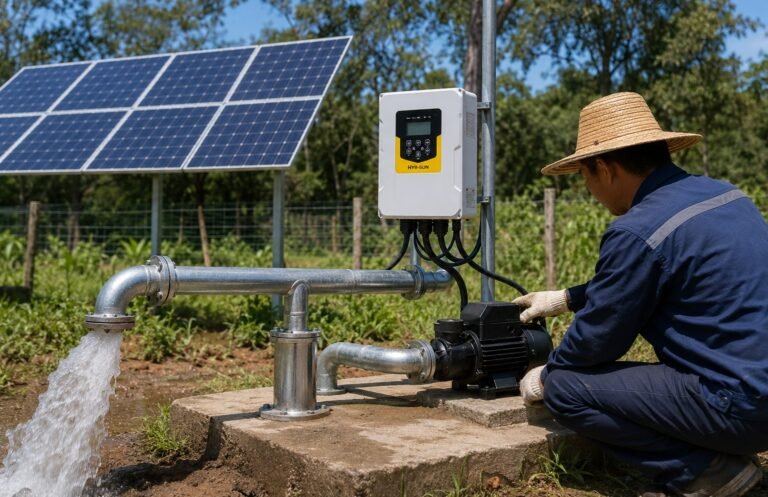
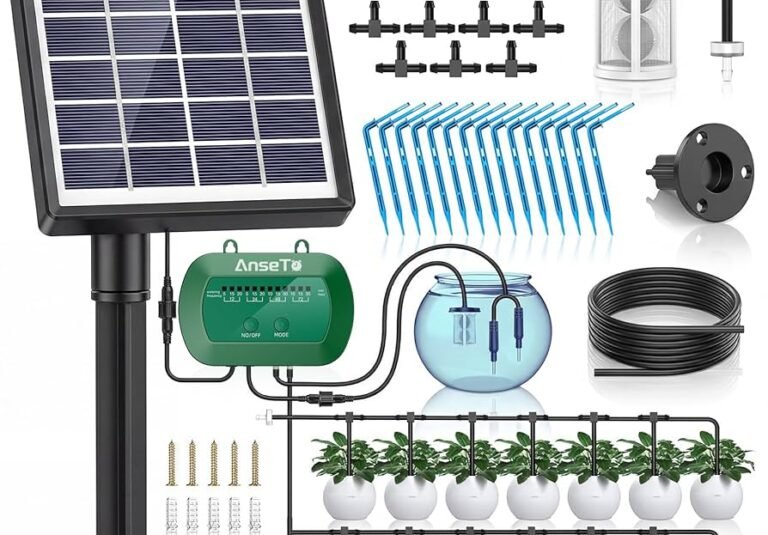
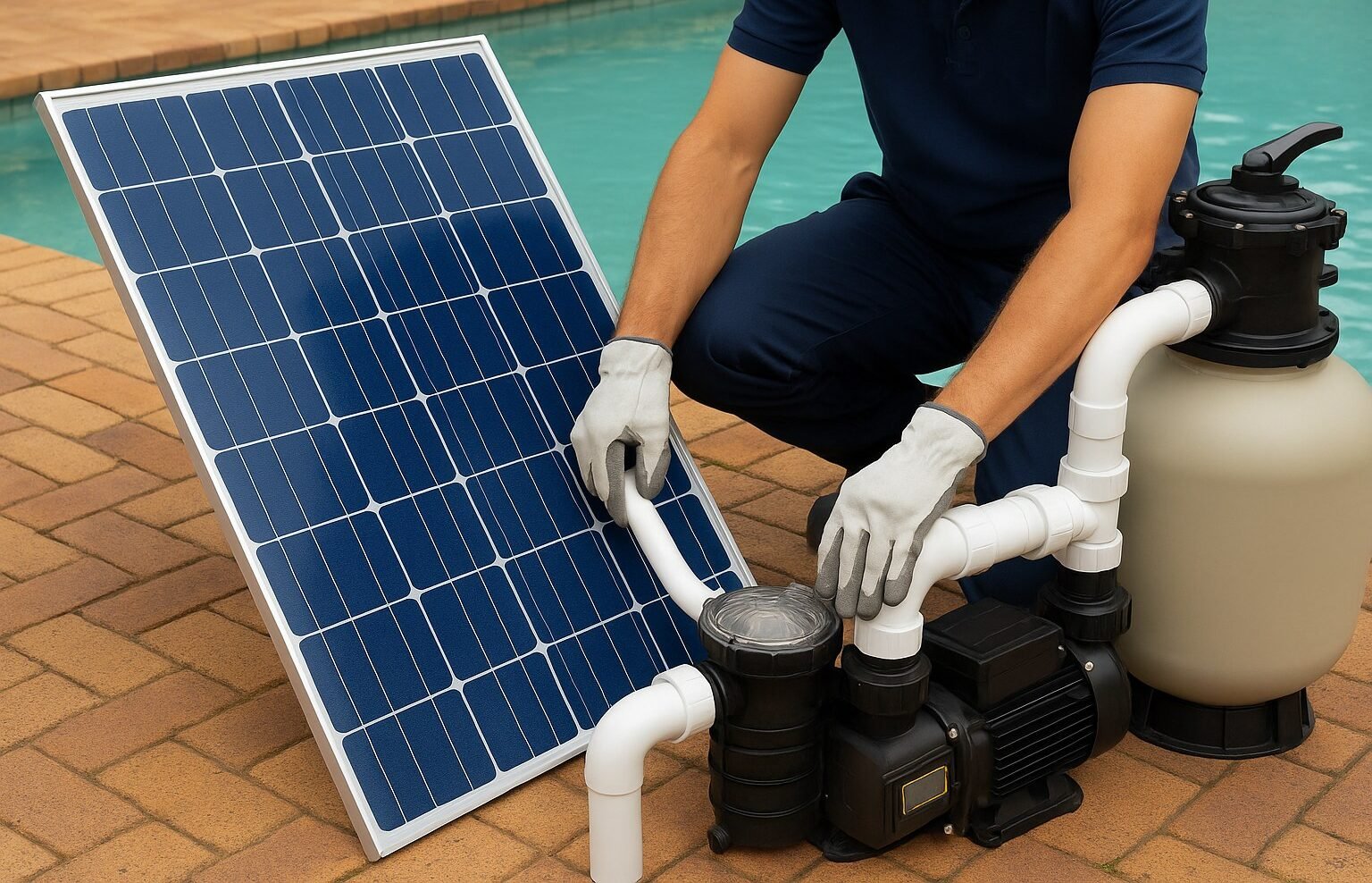
A solar pool pump moves pool water through the filter, heater, and sanitizer system by using energy from the sun. Most systems use solar panels to power a direct-current pump. Some connect to a battery, while others use a grid-tied solar system that supplies power to a standard alternating-current pump.
The basic job is the same as any pool pump:
- Pull water from the pool.
- Push it through the filter.
- Send it through heaters or cleaners.
- Return clean water to the pool.
The difference is where the energy comes from.
A standard pool pump can use a large amount of electricity because it may run for several hours each day. A solar pool pump uses sunlight during the day, when solar panels produce the most power. This makes it a good match for pools that need daytime circulation.
Some solar pumps run only when the sun is strong. Others include a controller, battery, or grid backup. The best setup depends on whether you need steady circulation at night, during storms, or after the panels stop producing power.
Is a Solar Pool Pump Worth Installing for Most Homeowners?
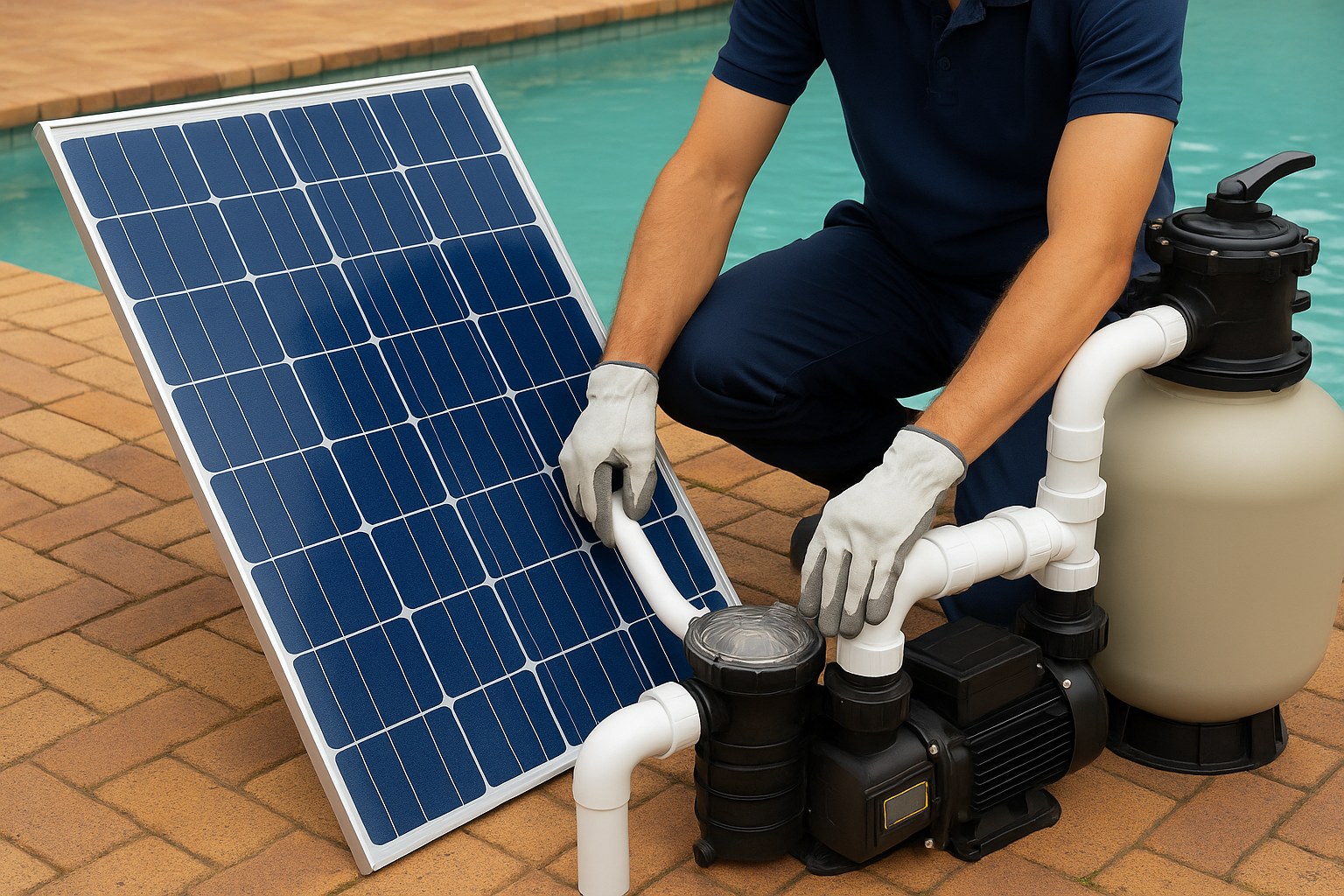
Is a solar pool pump worth installing for most homeowners? It can be, but it is not a universal upgrade. The strongest case occurs when you have high electricity rates, strong sun, a pool that runs often, and a long ownership period.
A solar pool pump tends to make more sense when:
• Your pool operates six to twelve hours per day.
• Your electric rate is high or includes expensive peak-hour charges.
• Your home receives several hours of direct sun.
• You live in a warm area where the pool stays open for much of the year.
• You want to lower long-term operating costs.
• You already have solar panels or plan to install them.
• You can place the panels near the pump without major wiring work.
The decision is less clear when your pool runs for only a short season. It is also harder to justify if your yard has heavy shade or if the pump will need a large battery for night use.
A solar pool pump is like buying an efficient car. It costs more at first, but it may save money on every trip. The savings only work if you drive often enough and keep the car long enough to recover the purchase price.
How Much Electricity Does a Pool Pump Use?
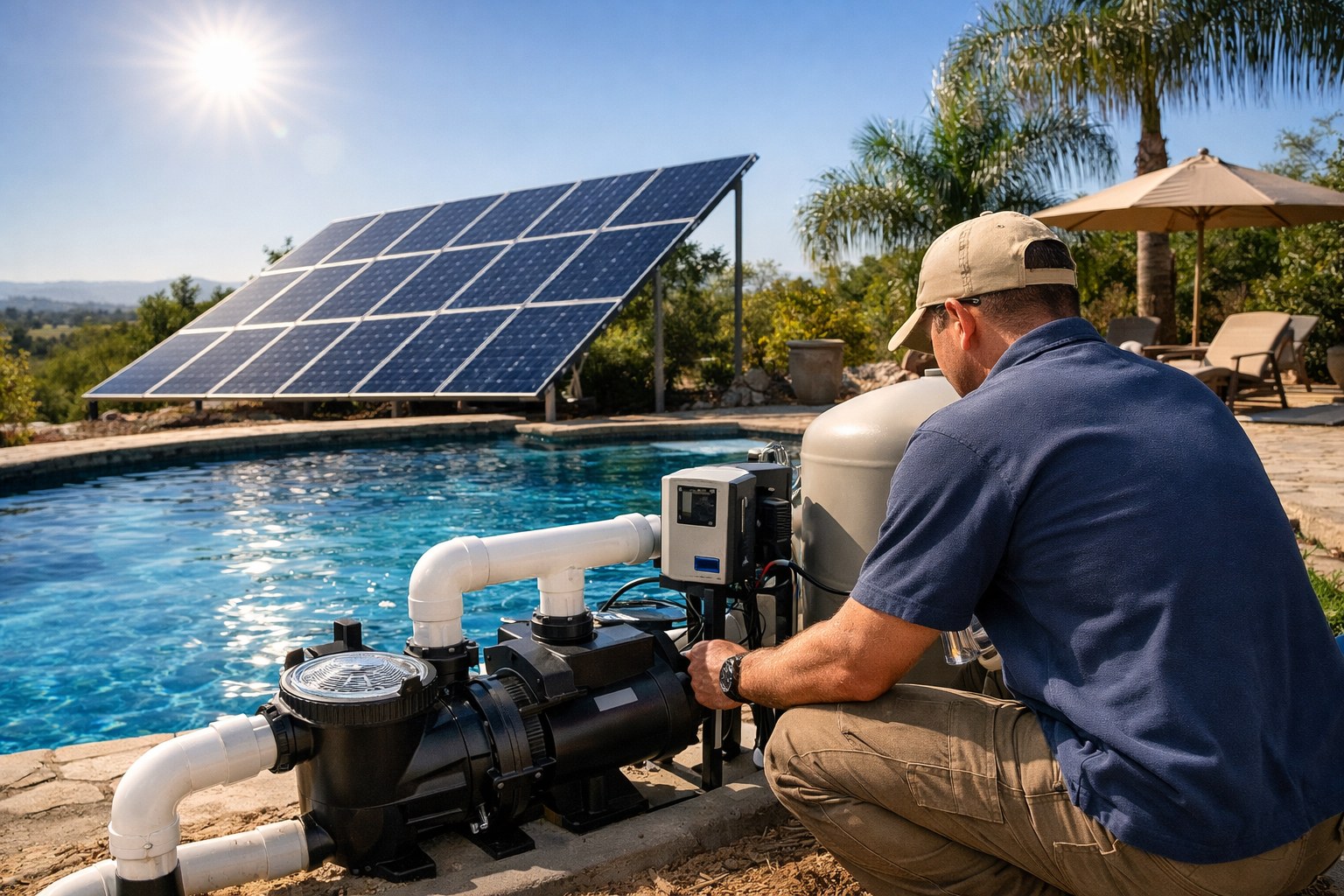
Pool pump energy use depends on motor size, run time, plumbing resistance, filter condition, and pump speed. A large single-speed pump may draw about 1,000 to 2,500 watts while running. A variable-speed pump often uses far less power during normal filtration.
For example, a 1.5-kilowatt pump running for eight hours uses:
1.5 kilowatts × 8 hours = 12 kilowatt-hours per day
At an electricity rate of 20 cents per kilowatt-hour, that equals about $2.40 per day. Over 300 pool-season days, the cost would be about $720. Actual results may be lower or higher.
A variable-speed pump changes this math. It may run at a low speed for long periods and use much less energy than a single-speed model. In many pools, reducing pump speed can produce large energy savings because pump power rises sharply as speed increases.
That is why a solar pool pump should not be compared only with an old, inefficient pump. Compare it with a correctly sized variable-speed pump too. In some cases, a variable-speed electric pump may provide nearly all the expected savings at a lower cost and with fewer installation limits.
Your real energy estimate should include:
• Pump wattage at each speed.
• Daily operating hours.
• Pool season length.
• Local electricity price.
• Filter and heater pressure.
• Solar production during pump hours.
• Battery or backup energy use.
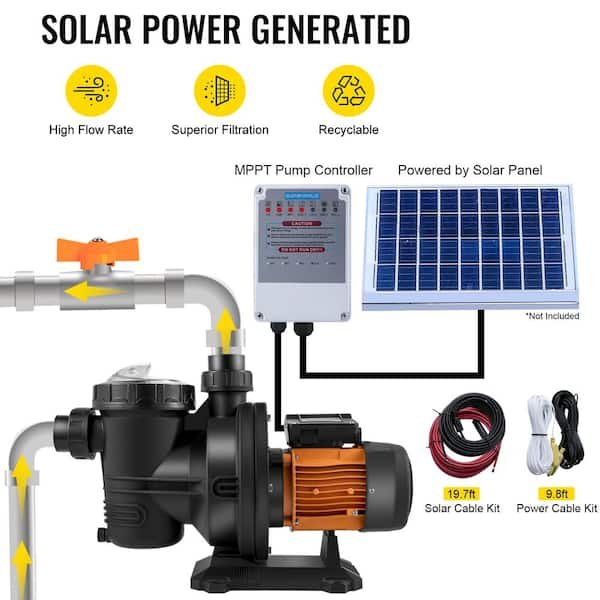
Solar Pool Pump Benefits
Is a solar pool pump worth installing if your main goal is lower energy use? Often, yes. Solar power can reduce the electricity needed for daily water circulation, which is one of the most regular costs of pool ownership.
Lower operating costs
Sunlight is free after installation. A solar pump can reduce or remove the energy cost tied to filtration and circulation during sunny hours.
The savings are greatest when the pump runs in the middle of the day. This is also when solar panels usually produce the most energy. If your pool needs steady circulation during daylight, the system can use solar power directly instead of storing it.
Less dependence on the power grid
A solar pool pump can keep water moving during some grid outages, depending on its design. This may help prevent stagnant water after storms or during short service interruptions.
A direct solar pump may stop when clouds pass. A battery-backed model can continue to run, but batteries increase cost and require maintenance. A grid-connected system may still shut down during an outage unless it includes approved backup equipment.
Lower carbon emissions
Using solar electricity can reduce emissions linked to grid power. The exact benefit depends on your local electric grid, panel production, and system life. Still, solar circulation is a practical way to reduce the environmental impact of a pool.
Good daytime operation
Many pool tasks work well during the day. Solar circulation can support:
• Filtration.
• Salt chlorine generator operation.
• Solar pool heating.
• Robotic cleaner charging.
• Water feature operation.
A solar pool pump can also pair well with a solar pool heater. The pump circulates water through the heater while sunlight is available.
Longer motor life in some systems
Many solar pumps use efficient motors and soft-start controls. These features can reduce sudden electrical stress. However, motor life still depends on water quality, seal condition, proper sizing, and regular care.

Solar Pool Pump Limitations and Drawbacks
Is a solar pool pump worth installing when the weather changes often? The answer may be less favorable. Solar pumps have real limits, and ignoring them can lead to poor circulation or a disappointing return on investment.
Higher upfront cost
A complete system may include:
• Solar panels.
• Mounting hardware.
• Pump and controller.
• Electrical protection.
• Wiring and conduit.
• Plumbing changes.
• Battery storage or backup equipment.
• Professional labor.
A simple direct-solar pump may cost less than a full hybrid system. A battery-backed system can cost much more. Local labor, roof access, permits, and electrical rules also affect the total.
Variable performance in clouds and shade
Solar panels produce less power on cloudy days. Trees, chimneys, fences, and nearby buildings can reduce output. A pump that works well at noon may run slowly in the morning or stop in late afternoon.
Reduced flow can affect filtration, chlorine production, pool heating, and water clarity. This is one of the most common mistakes in solar pump planning: measuring panel size without checking the pump’s required flow and pressure.
No automatic night operation without storage
Most pools do not need the pump to run all night. However, some owners prefer night circulation, overnight heating, or continuous filtration. A direct solar pump cannot provide this after sunset unless it uses a battery or another power source.
Battery storage adds cost and loses energy during charging and discharging. It also has a limited service life.
More complex installation
A solar pool pump may require changes to the equipment pad. The panels may need a roof mount, ground mount, or separate structure. The system may also need a controller that matches the panel voltage and pump requirements.
Electrical work around pools must follow strict safety rules. Grounding, bonding, ground-fault protection, and equipment placement are not areas for guesswork. Use a qualified installer who understands both solar equipment and pool systems.
Possible mismatch with pool equipment
A pump must meet the needs of your filter, heater, cleaner, and plumbing. Too little flow can reduce performance. Too much flow can waste energy and place extra stress on the filter or pipes.
A solar pool pump is not automatically better because it uses renewable energy. It still needs correct hydraulic sizing.
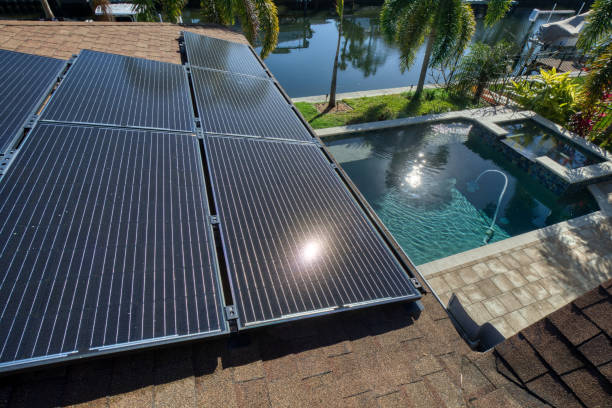
Direct Solar, Battery-Backed, and Hybrid Pool Pumps
There are three common solar pool pump designs. Understanding the difference helps answer, “Is a solar pool pump worth installing?” for your home.
Direct solar pump
A direct solar pump runs from solar panels during daylight. It usually has a controller that adjusts pump speed as sunlight changes.
Benefits include:
• Lower system cost.
• No battery replacement.
• Simple daytime operation.
Limitations include:
• Reduced flow in weak sun.
• No normal operation at night.
• Possible pump stops during heavy clouds.
This design works well for daytime filtration in sunny locations.
Battery-backed solar pump
A battery-backed system stores solar energy for use after sunset or during cloudy weather. It offers more consistent operation but costs more.
Battery life varies by chemistry, temperature, cycling, and maintenance. A battery may need replacement before the panels or pump. Ask the installer for a full life-cycle cost, not just the first-year price.
Hybrid solar pool pump
A hybrid system can use solar energy first and switch to grid power when needed. This gives you more reliable circulation and reduces the risk of poor flow on cloudy days.
Hybrid systems often provide the best comfort for homeowners who want solar savings without changing their pool routine. However, the equipment and installation can cost more than a simple electric pump.

Solar Pool Pump Cost and Payback
Is a solar pool pump worth installing from a financial point of view? Estimate the payback period before buying.
Use this simple formula:
Solar installation cost ÷ yearly energy savings = estimated payback period
For example, suppose a solar pump system costs $4,000 after installation. If it saves $600 per year in electricity, the simple payback period is about 6.7 years.
This estimate does not include:
• Pump repairs.
• Battery replacement.
• Panel cleaning.
• Controller replacement.
• Financing interest.
• Changes in electricity prices.
• The value of backup power.
• Lost savings if you move before payback.
A variable-speed pump can change the result. If a standard pump costs $700 per year to run and a variable-speed pump costs $250, the yearly savings are $450. A solar system that saves nearly all remaining pump energy may not justify its extra cost unless the pool runs often or the electricity rate is high.
Solar incentives may also affect the calculation. A home solar tax credit may apply to some solar electric equipment, but pool-specific equipment and installation rules can vary. Check current federal, state, and utility requirements before assuming an incentive will reduce your cost.
Ask for a written estimate that shows:
• Total installed price.
• Expected annual solar production.
• Pump energy use.
• Estimated grid energy use.
• Battery replacement assumptions.
• Warranty terms.
• Expected payback.
• Service and repair costs.

How to Size a Solar Pool Pump Correctly
Correct sizing is more important than choosing the biggest pump. A large pump may move water quickly, but it can waste energy and require larger panels.
Start with the pool’s required turnover rate. Turnover is the time needed to circulate the pool’s full water volume once. Many residential pools are designed around one complete turnover in about eight to twelve hours, but local codes, sanitation systems, and professional recommendations vary.
Use this basic calculation:
Pool volume ÷ desired turnover hours = required gallons per hour
For a 20,000-gallon pool with a 10-hour turnover goal:
20,000 ÷ 10 = 2,000 gallons per hour
That equals about 33 gallons per minute. The pump must deliver this flow at the system’s actual resistance, not in an ideal test setting.
A pool professional should check:
• Pool volume.
• Pipe diameter and length.
• Filter flow rating.
• Heater flow requirements.
• Salt system flow needs.
• Water feature demands.
• Elevation changes.
• Cleaner requirements.
• Total dynamic head.
The pump curve shows how much flow a pump can produce at a given pressure. Panel wattage alone does not tell you whether the system will work. A pump may have enough power on paper but fail to deliver useful flow through a dirty filter or restrictive heater.
Solar Pool Pump Installation Tips
A well-planned installation can improve performance and reduce future problems. Before signing a contract, walk through the design with the installer.
Choose the panel location carefully
Panels should receive strong, direct sunlight during the hours when the pump needs to run. A south-facing roof often works well in the United States, but east- and west-facing locations can also work.
Check for seasonal shade. A tree that looks harmless in winter may block a large part of the panel in summer. Also consider roof age, access, wind exposure, and local building rules.
Protect the electrical system
Pool equipment needs careful bonding and grounding. Solar components must also include proper disconnects, overcurrent protection, and wiring rated for the location.
Do not place electrical equipment where splashing water can reach it. Do not bypass a ground-fault device to stop nuisance trips. A licensed electrician should handle electrical connections near the pool.
Keep the system easy to service
Leave room around the pump, filter, controller, and valves. Label the solar disconnect, pump settings, and backup controls. A clean equipment pad makes future repairs faster and safer.
Use a variable-speed control when possible
A variable-speed solar pool pump can match its output to available sunlight and pool demand. Low-speed operation often saves energy while still maintaining filtration.
Do not run high speed all day just because the pump can do so. Use high speed only for tasks that need it, such as cleaning, heating, or water features.
Plan for winter and storms
If you close the pool for winter, follow the pump manufacturer’s storage instructions. In freezing regions, drain water from exposed plumbing and protect the equipment from freeze damage.
Strong storms can damage panels, mounts, and outdoor wiring. Ask about wind ratings and warranty coverage before installation.
Solar Pool Pump Maintenance
A solar pool pump still needs normal pool care. Solar power does not replace cleaning, water testing, or equipment checks.
Use this maintenance routine:
- Test pH and sanitizer levels on a regular schedule.
- Clean the skimmer and pump baskets.
- Check the filter pressure.
- Backwash or clean the filter as directed.
- Inspect panel surfaces for heavy dirt or debris.
- Look for leaks around pump seals and valves.
- Check cables, conduit, and mounting points.
- Confirm that the pump reaches its expected flow.
- Review controller error codes.
- Schedule professional service when electrical faults appear.
Do not clean solar panels with harsh tools or abrasive chemicals. Follow the panel maker’s guidance. Light dust may have little effect, but bird droppings, leaves, and thick dirt can reduce output.
Water chemistry also affects pump life. Poor chemical balance can damage seals, corrode metal parts, and shorten the life of heaters and salt systems. The cheapest solar upgrade can fail if the pool water is neglected.
Solar Pool Pump Versus a Variable-Speed Electric Pump
Is a solar pool pump worth installing if you do not already have solar panels? Compare it with a high-efficiency variable-speed pump first.
A variable-speed electric pump often offers:
• Lower purchase cost.
• Reliable operation in all weather.
• Quiet performance.
• Easy scheduling.
• Strong compatibility with existing pool controls.
• Lower energy use than a single-speed pump.
A solar pump offers:
• Lower or zero daytime grid use.
• Renewable energy operation.
• Potential savings over a long ownership period.
• Possible operation during grid outages.
The best choice may be a solar-powered variable-speed pump or a hybrid system. In other cases, replacing an old single-speed pump with a variable-speed model gives the best value.
This comparison is where many buyers save money. They focus on “solar” and forget “efficient.” A poor solar design can cost more and work less reliably than a properly sized variable-speed pump.
Who Should Install a Solar Pool Pump?
Is a solar pool pump worth installing for your situation? It may be a strong choice if most of these points apply:
• You live in Arizona, California, Florida, Texas, Nevada, New Mexico, Hawaii, or another sunny region.
• Your pool operates for much of the year.
• Your electricity costs are high.
• You have a clear roof or ground area for panels.
• You plan to stay in the home for at least several years.
• You want to reduce operating emissions.
• You can accept slower or limited operation during poor weather.
• You are comfortable with a longer payback period.
A solar pool pump may not be ideal if:
• Your yard has deep shade.
• You have a short swimming season.
• Your current pump already uses very little energy.
• You need strong circulation at night.
• The installation requires major roof or electrical work.
• You may move before the system pays for itself.
• The system would need a costly battery to meet your needs.
Common Solar Pool Pump Mistakes to Avoid
Many problems come from planning errors, not from solar technology itself.
Buying by horsepower alone
Horsepower does not show the actual flow at your pool’s pressure. Review the pump curve and total system resistance.
Ignoring seasonal sunlight
A system may work in July but perform poorly in October. Estimate output across the full pool season.
Forgetting the battery cost
If you expect night operation, include battery size, efficiency loss, replacement cost, and installation labor.
Assuming the pump will run at full power all day
Solar output changes throughout the day. Clouds, heat, shade, and panel angle affect performance.
Skipping local permits
Electrical and structural rules vary by location. Unpermitted work can create safety, insurance, and resale problems.
Neglecting the filter
A dirty filter increases pressure. Higher pressure makes the pump work harder and can reduce useful flow.
Choosing the cheapest installer
Ask for licensing, insurance, references, equipment specifications, and a clear warranty. The lowest bid may leave out wiring, permits, controls, or future service.
A Practical Decision Checklist
Use this checklist to decide whether a solar pool pump fits your home.
- Record your current pump’s wattage.
- Measure how many hours it runs each day.
- Check your electricity rate.
- Estimate annual pool-season energy cost.
- Get a quote for a variable-speed electric pump.
- Get a quote for a direct solar system.
- Get a quote for a hybrid or battery-backed system.
- Confirm your roof or ground area has enough sun.
- Ask for flow calculations at operating pressure.
- Calculate payback using realistic maintenance costs.
- Review warranties for the pump, panels, controller, and battery.
- Confirm permits and electrical safety requirements.
- Decide whether daytime-only circulation meets your needs.
- Choose the system with the best total value, not just the biggest energy claim.
When comparing quotes, ask the same questions each time. This makes hidden differences easier to spot. A quote that includes design, permits, wiring, controls, and commissioning may be better than a lower quote with missing parts.
Frequently Asked Questions About Is a Solar Pool Pump Worth Installing?
Is a solar pool pump worth installing in a cloudy climate?
Is a solar pool pump worth installing in a cloudy climate? It can work, but its output may be less consistent and its payback may take longer. A hybrid system with grid backup is often a better choice where sunlight changes often.
How long does a solar pool pump take to pay for itself?
The payback period depends on the installed cost, pool run time, electricity rate, and solar output. Many systems may take several years to recover their cost, so request a location-specific estimate instead of relying on a general number.
Can a solar pool pump run at night?
A direct solar pool pump usually cannot run after sunset. Night operation requires a battery, grid backup, or a hybrid controller that switches to another power source.
Does a solar pool pump work with a saltwater pool?
Yes, a solar pool pump can work with a saltwater pool when its flow rate and materials match the salt system. The pump must circulate water long enough for the salt chlorine generator to produce the needed chlorine.
Is a solar pool pump better than a variable-speed pump?
Not always. A variable-speed electric pump may provide excellent savings with lower cost and reliable operation, while a solar pump can reduce grid use further. Compare both options using your actual energy use and installation price.
How many solar panels does a pool pump need?
The number depends on pump wattage, sunlight, controller design, and desired run time. A professional should size the panels for real operating pressure, not only the pump’s label rating.
Can solar panels power an existing pool pump?
They may be able to power it through an approved inverter or solar system, but direct connection is not always possible. The pump’s voltage, current, startup demand, controls, and safety equipment must all match.
Conclusion
Is a solar pool pump worth installing? For many sunny homes, it can lower pool energy costs, reduce grid use, and provide clean daytime circulation. The strongest value comes from correct sizing, regular pool maintenance, and a realistic payback estimate.
The choice is less attractive when the pool has heavy shade, a short season, low electricity costs, or a need for constant night operation. Before you buy, compare a direct solar pump, a hybrid system, and a high-efficiency variable-speed electric pump.
Start by checking your current energy use and requesting two or three detailed quotes. Then choose the system that fits your pool, budget, sunlight, and long-term plans. Explore local solar incentives and pool-efficiency resources, and share your experience or questions in the comments.