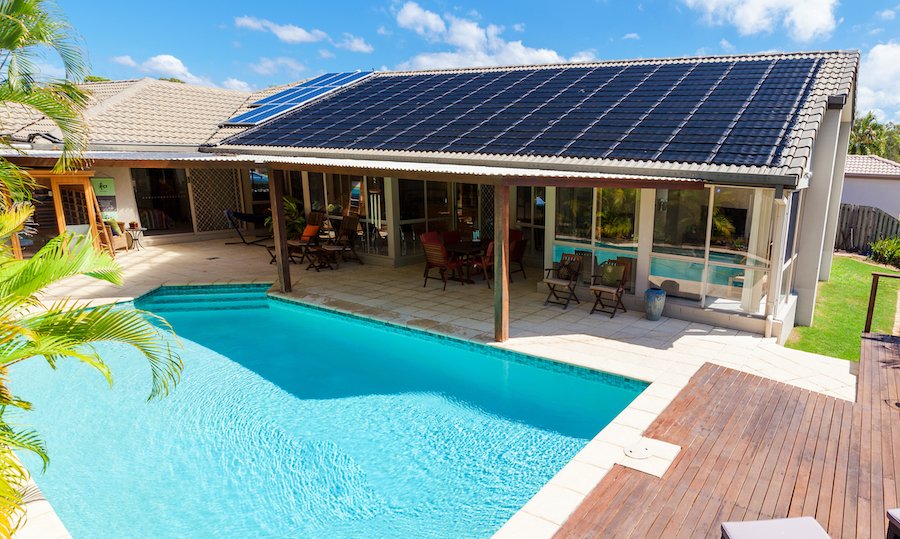
How Much Can A Solar Pool Pump Reduce Electricity Costs: ROI
A solar pool pump can cut pool pumping electricity costs by 50% to 90%.
How much can a solar pool pump reduce electricity costs? The answer depends on your pump size, daily run time, sunlight, electricity rate, and system design. A small pool with strong sun may save hundreds of dollars each year, while a larger pool may save even more.
After comparing pump energy use, solar output, and real utility rates, one point is clear: solar can make pool circulation far cheaper. However, the best results come from matching the pump, solar panels, pool size, and run schedule—not simply buying the largest system available.
How Much Can a Solar Pool Pump Reduce Electricity Costs?
A solar pool pump can reduce electricity costs by about 50% to 90% for pool circulation. Some owners may cut nearly all daytime pumping costs, while others see smaller savings because of shade, cloudy weather, high flow needs, or backup grid use.
The pump itself is only one part of the calculation. You also need to consider the electricity rate, pump horsepower, filtration time, and local solar conditions.
Here is a simple example:
| Pool setup | Estimated annual pumping use | Electricity rate | Annual grid cost |
|---|---|---|---|
| Small pool with efficient pump | 1,500 kWh | $0.16 per kWh | $240 |
| Average pool with 1.5-horsepower pump | 3,000 kWh | $0.16 per kWh | $480 |
| Large pool with long run time | 5,000 kWh | $0.20 per kWh | $1,000 |
If solar supplies 75% of the pump’s energy, the average owner in this example could save about $360 per year. At 90%, the savings would be about $432 per year.
These figures apply to the pump’s electricity use only. A solar pool pump will not normally reduce the power used by pool heaters, lights, salt systems, or automatic cleaners unless those devices also connect to a solar power system.
What Is a Solar Pool Pump?
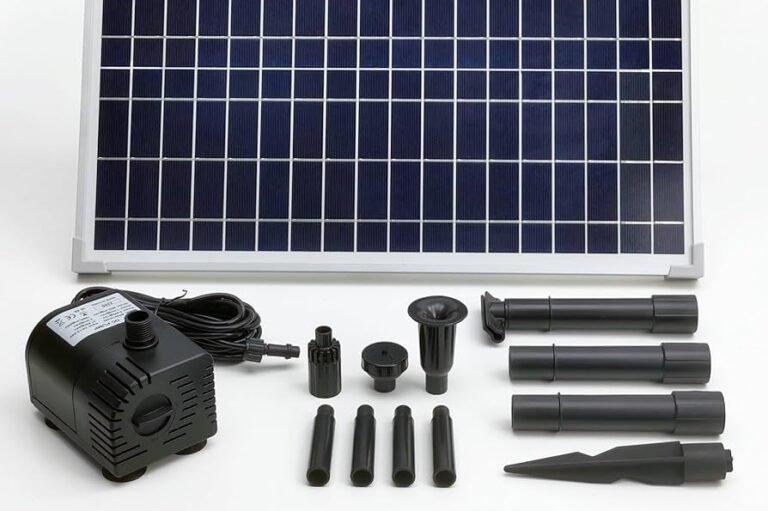
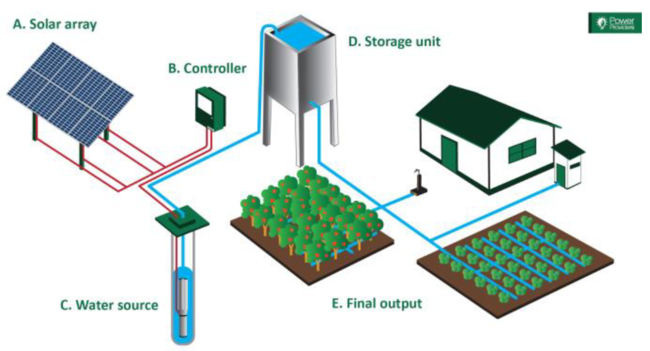
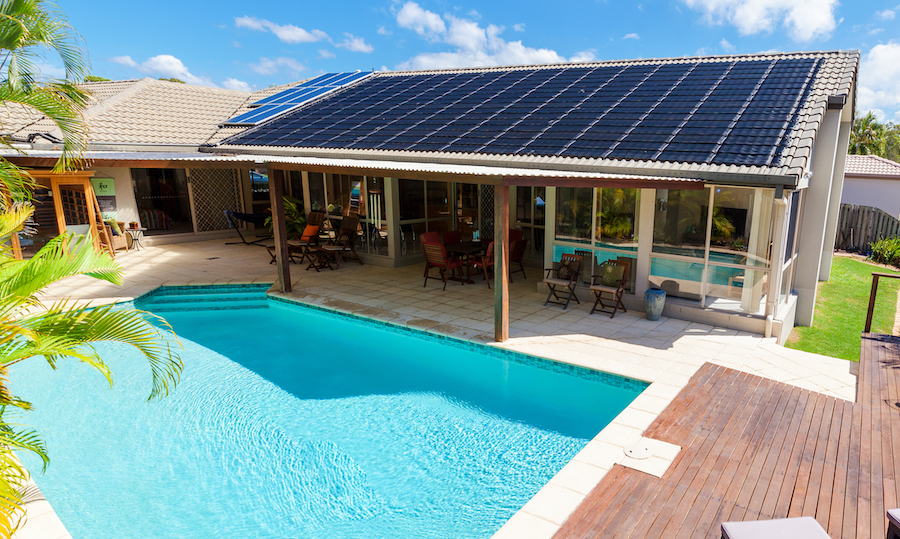
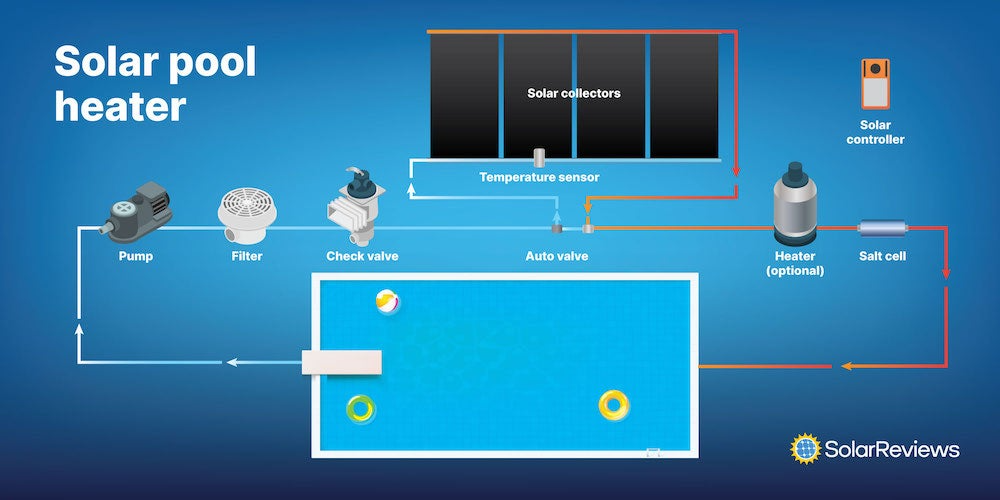
A solar pool pump uses electricity from solar panels to move water through the pool filter, heater, chlorinator, and return lines. Most systems include a solar pump, photovoltaic panels, a controller, and sometimes a battery or grid connection.
There are two main types:
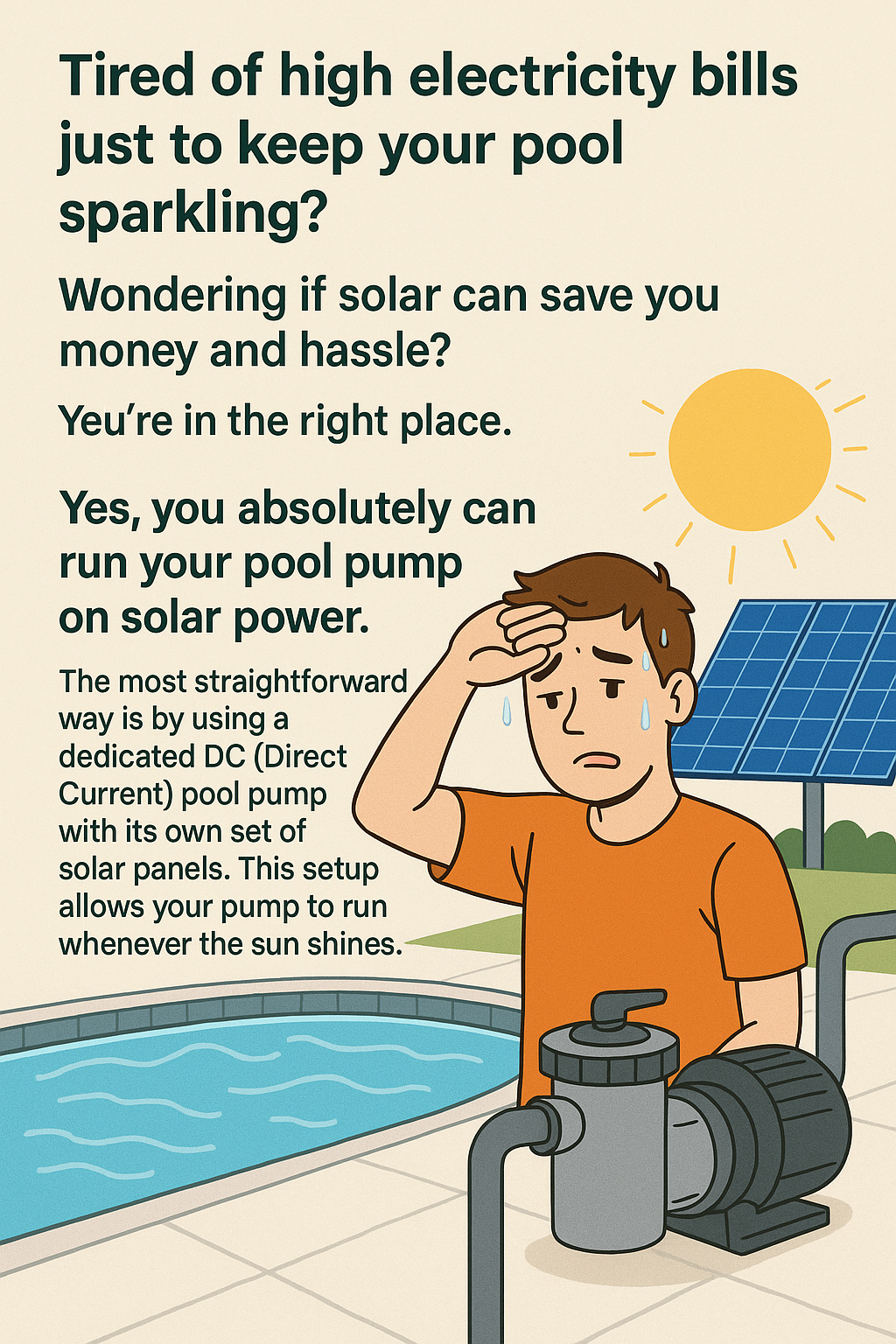
Direct solar pool pump
A direct solar pump runs when sunlight reaches the panels. It may slow down in weak sunlight and stop at night unless it has battery support.
This design is often simple and efficient. It works well for pool owners who can run filtration during the day.
Solar-assisted pool pump
A solar-assisted pump connects to a home solar system or uses both solar power and the electric grid. It can run at night or during poor weather by drawing energy from the grid or a battery.
This type gives you more control. It can also support a variable-speed pump, which may save more energy than a basic single-speed motor.
A key lesson from system planning is that “solar” does not always mean fully off-grid. Some systems use solar power during the day and grid power at other times. Ask the installer how much of the annual pump energy will truly come from solar.
How Solar Pool Pump Savings Are Calculated
To estimate solar pool pump savings, start with the pump’s real electrical input. Do not rely only on the horsepower number shown on the motor.
Use this basic formula:
Annual pumping cost = Pump power in kilowatts × daily run time × operating days × electricity rate
For example, suppose a pool pump uses 1.5 kilowatts and runs for eight hours each day:
1.5 kW × 8 hours × 365 days = 4,380 kWh per year
At $0.16 per kWh:
4,380 kWh × $0.16 = $700.80 per year
If a solar pool pump provides 80% of that energy, the estimated yearly savings are:
$700.80 × 80% = $560.64
Actual results may differ because a pump does not always draw the same amount of power. A variable-speed pump may use much less energy at low speed. A direct solar pump may also run fewer hours when sunlight is weak.
To improve your estimate, check these details:
• The motor’s actual wattage or kilowatt rating
• The number of hours the pump runs each day
• Your utility’s price per kilowatt-hour
• Seasonal changes in filtration time
• The solar system’s expected annual production
• Whether the system uses grid power during cloudy weather or at night
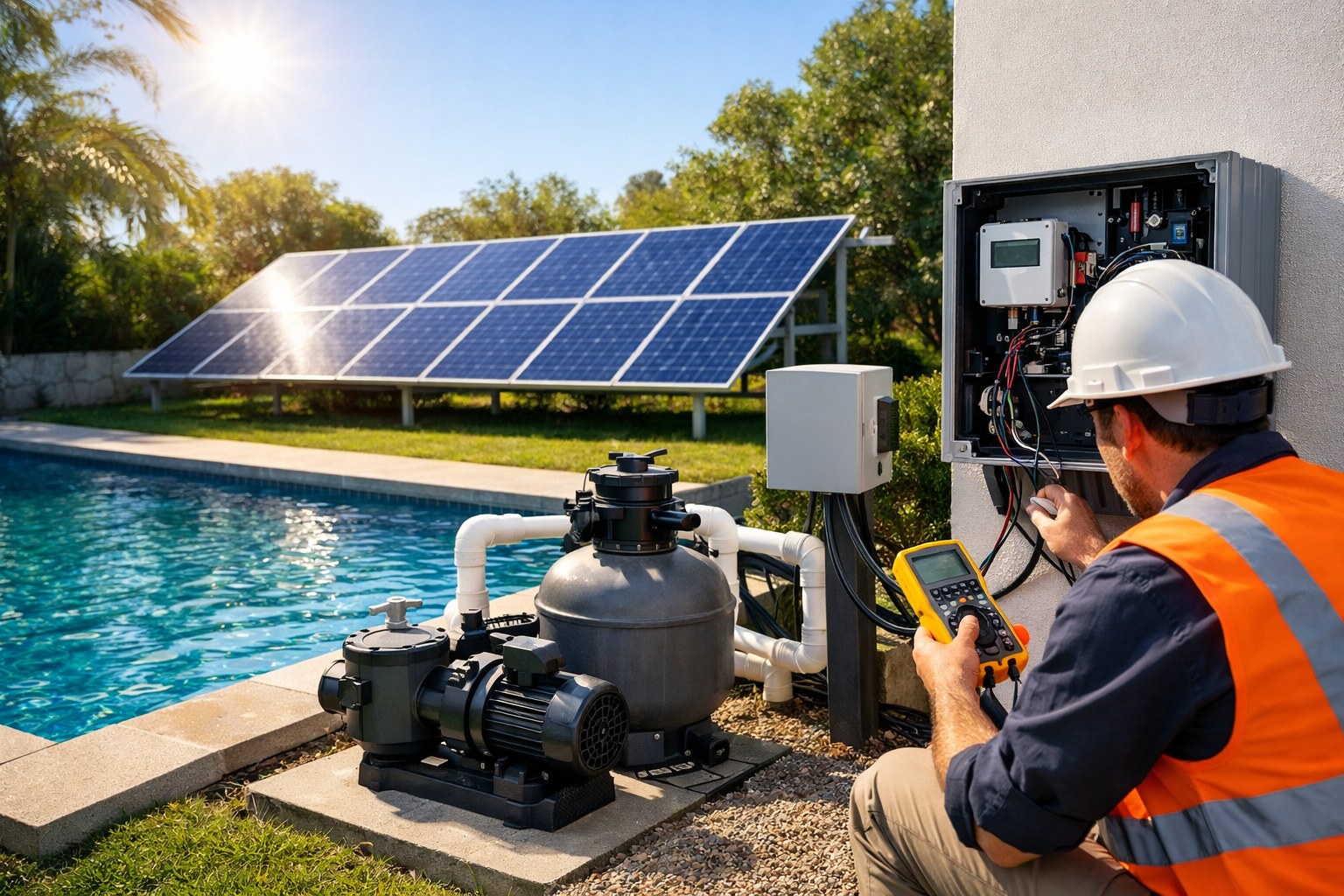
A plug-in energy monitor can help measure a standard AC pump. For hardwired equipment, ask a licensed electrician to measure energy use safely.
Factors That Affect Solar Pool Pump Electricity Savings
The answer to how much can a solar pool pump reduce electricity costs changes from one home to another. These factors have the biggest effect.
Pump size and motor efficiency
A large pump can move more water, but it may use far more power. Many pools do not need a high-horsepower pump for normal filtration.
Variable-speed pumps often save energy because they can run slowly for longer periods. Pool circulation is not like filling a bathtub. Water does not need to move at full speed all day.
Daily run time
A pump that runs for 12 hours a day can use much more energy than one that runs for six hours. Run time should match water temperature, pool use, sanitizer levels, and local climate.
Overrunning the pump can waste power without improving water quality. Underrunning it can cause cloudy water or poor sanitation.
Sunlight and climate
Solar panels produce more energy in bright, clear conditions. Roof direction, panel angle, shade, dust, and seasonal weather all affect output.
A system in Arizona may produce more energy than a similar system in Oregon, but local electricity rates also matter. High utility rates can make solar savings attractive even in areas with less sun.
Pool size and plumbing
Larger pools usually need more circulation. Long pipes, narrow plumbing, dirty filters, and clogged baskets also make the pump work harder.
A clean filter and properly sized plumbing can lower energy use. This is one of the least expensive ways to improve pool pump efficiency.
Backup power
A direct solar pool pump may stop when clouds cover the panels. A system with grid backup can keep running, but some of the energy will still appear on your utility bill.
Battery storage can provide night-time power, but batteries increase the purchase price and may not improve the payback period for a pool pump.

Solar Pool Pump Cost and Payback Period
A solar pool pump system may cost about $2,000 to $6,000 installed, depending on the pump, panel size, controls, wiring, mounting, and local labor. Larger systems, battery storage, and complex plumbing can push the cost higher.
The payback period depends on annual savings:
Payback period = Total system cost ÷ yearly electricity savings
For example:
• System cost: $3,500
• Yearly energy savings: $500
• Simple payback: seven years
If the system saves $750 per year, the payback falls to about 4.7 years. If it saves only $250 per year, the payback stretches to 14 years.
This calculation does not include repairs, replacement parts, financing interest, tax rules, or changes in electricity prices. Solar panels may last 25 years or more, but pumps, controllers, and batteries usually have shorter service lives.
In many cases, a solar pool pump offers the best financial result when paired with an efficient variable-speed motor. Replacing an old single-speed pump may produce meaningful savings even before adding more solar capacity.
Solar Pool Pump Compared With a Standard Pool Pump
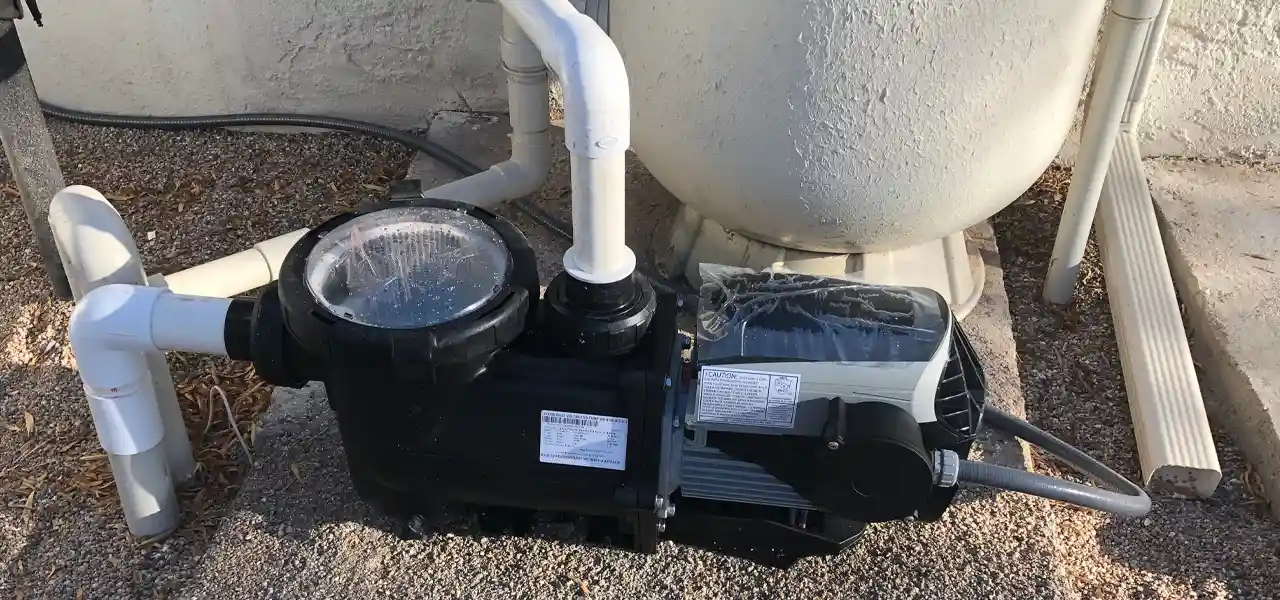
A standard pool pump takes all its power from the electric grid. A solar pool pump gets some or most of its energy from sunlight.
| Feature | Standard electric pump | Solar pool pump |
|---|---|---|
| Main energy source | Utility grid | Solar panels, grid, or both |
| Upfront cost | Usually lower | Usually higher |
| Monthly energy cost | Higher | Lower |
| Night operation | Easy | May need grid or battery power |
| Weather effect | Little direct effect | Cloudy weather can reduce output |
| Maintenance | Motor and seals | Pump, panels, controller, and wiring |
| Long-term savings | Limited | Potentially high |
A standard variable-speed pump may be a better choice than a solar pump for some homes. It costs less to install and can reduce power use by slowing down during low-demand periods.
The right comparison is not always “solar versus electric.” It may be:
-
Keep the current pump.
-
Replace it with a variable-speed pump.
-
Add solar panels.
-
Install a solar-powered variable-speed system.
Comparing all four options gives a more accurate view of value.
Can a Solar Pool Pump Run at Night?
Most direct solar pool pumps cannot run at night without stored energy or grid support. Solar panels produce little or no power after sunset.
You have three common options:
• Run the pump during daylight hours.
• Add a battery bank.
• Use a hybrid controller that switches to grid power.
Many pools do not need night-time filtration if the daily run schedule is planned well. Running the pump during sunny hours can also match energy production with energy use.
Still, some pools need circulation at night. This may be true for pools with heavy use, heat retention systems, water features, or special sanitation needs. A qualified pool professional can help set a safe schedule.
Do not reduce filtration time only to chase savings. Poor circulation can lead to algae, uneven chemical levels, and cloudy water. Cleaning the pool can cost more than the electricity you hoped to save.
How to Maximize Solar Pool Pump Savings
The answer to how much can a solar pool pump reduce electricity costs often improves when you reduce the pump’s workload first.
Use these practical steps:
-
Choose the smallest pump that meets the pool’s flow needs.
-
Use a variable-speed motor when possible.
-
Run the pump during peak sunlight hours.
-
Clean the filter when pressure rises above its normal level.
-
Empty the pump basket and skimmer basket often.
-
Remove shade from solar panels where practical.
-
Keep panels clean, but follow safe cleaning methods.
-
Seal air leaks in the suction lines.
-
Use a pool cover to reduce evaporation and debris.
-
Set a schedule based on water quality, not habit.
One mistake I often see in pool energy plans is sizing the solar system around the motor’s horsepower alone. The better method is to measure actual watt use and determine the pool’s real flow requirement.
Another common mistake is buying battery storage before checking whether the pump can run during the day. Shifting the schedule may save money without adding costly equipment.
Environmental Benefits and Limitations
A solar pool pump can reduce demand for electricity generated by coal, natural gas, and other fuels. The climate benefit depends on the local power grid and the amount of solar energy the system produces.
Solar panels also require materials, manufacturing energy, and eventual recycling. That does not erase their benefits, but it is important to view solar as a long-term energy solution rather than a zero-impact product.
Solar pool pumps have other limitations:
• They may produce less power during storms and winter.
• Direct systems may not provide steady flow all day.
• Batteries can be expensive to replace.
• Controllers and specialized pumps may be harder to repair.
• Poor system design can reduce water circulation.
• Upfront costs may be too high for a short-term homeowner.
A proper design should protect water quality first and reduce electricity use second. Savings are valuable, but a clean and safe pool remains the main goal.
Is a Solar Pool Pump Worth It?
A solar pool pump may be worth the investment if you have high electricity rates, strong sun, long pump run times, and plans to own the home for several years.
It may be less attractive if your pump is small, your electricity rate is low, your roof is heavily shaded, or you expect to move soon. In those cases, a variable-speed replacement may offer a faster and simpler payback.
Before buying, request a written estimate that includes:
• Expected annual solar production
• Expected annual grid consumption
• Pump power at each speed
• Installed price
• Warranty terms
• Battery replacement costs, if included
• Maintenance and repair expectations
• Estimated payback period
• Any available rebates or tax benefits
Do not accept a promise such as “you will eliminate your pool electricity bill.” Ask for energy figures in kilowatt-hours. Those numbers make it easier to compare proposals.
Frequently Asked Questions About How Much Can a Solar Pool Pump Reduce Electricity Costs?
How much can a solar pool pump reduce electricity costs each year?
A solar pool pump may save about $200 to $900 per year for many residential pools. The exact amount depends on pump power, run time, local electricity rates, and the share of energy supplied by solar.
Can a solar pool pump eliminate pool electricity costs?
It can eliminate much of the pump’s daytime electricity use, but it may not remove all costs. Grid backup, night operation, cloudy weather, pool lights, heaters, and salt systems can still use electricity.
Is a solar pool pump cheaper than a variable-speed pump?
Not always. A variable-speed pump often costs less to install and can reduce energy use substantially, while a solar pool pump may provide larger long-term savings in sunny areas with high power rates.
How many solar panels does a pool pump need?
Many residential systems need roughly 1 to 3 kilowatts of solar capacity, but the correct size depends on the pump’s wattage, run time, location, and whether the system includes batteries. An installer should calculate annual energy production rather than use a fixed panel count.
Can a solar pool pump work on cloudy days?
Yes, many systems can work on cloudy days, but output may drop. A hybrid system can use grid power when solar production is too low, while a direct system may slow down or stop.
Do solar pool pumps need batteries?
No. A solar pool pump can run without batteries if you operate it during daylight hours. Batteries are useful for night operation but add cost, maintenance, and replacement needs.
How long does a solar pool pump take to pay for itself?
The payback period is often about five to twelve years, but it can be shorter or longer. Divide the installed cost by the expected yearly savings, then account for maintenance, financing, and future component replacement.
Conclusion
How much can a solar pool pump reduce electricity costs? For many homeowners, the realistic answer is 50% to 90% of pool pumping costs, with annual savings often ranging from a few hundred dollars to nearly $1,000.
The strongest results come from an efficient pump, correct sizing, clean filters, daytime operation, and good solar exposure. Before buying, compare a solar system with a variable-speed pump and review real kilowatt-hour estimates.
Measure your current energy use, request two or three detailed quotes, and choose the system that protects water quality while lowering long-term costs. Explore local solar incentives and energy resources, then share your pool setup or savings goals in the comments.