How Does A Solar Drip Irrigation System Work: Simple Guide
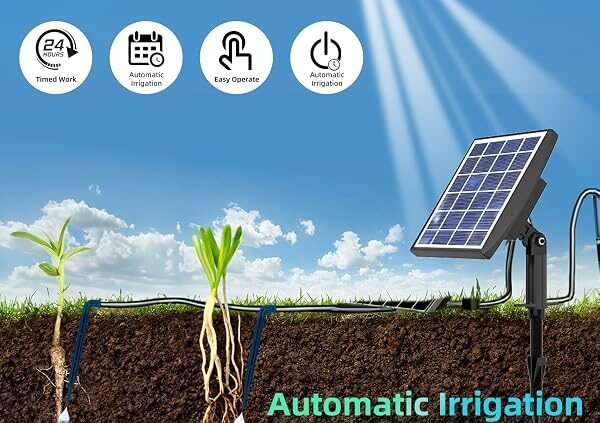
A solar drip irrigation system uses sunlight to pump water through small emitters that slowly water plant roots.
Understanding how a solar drip irrigation system works can help you save water, lower energy costs, and grow healthier plants. This setup joins solar power, a water pump, filters, pipes, and drip emitters in one simple system. It can serve a home garden, greenhouse, orchard, or small farm, even in places far from the electric grid.
What Is a Solar Drip Irrigation System?
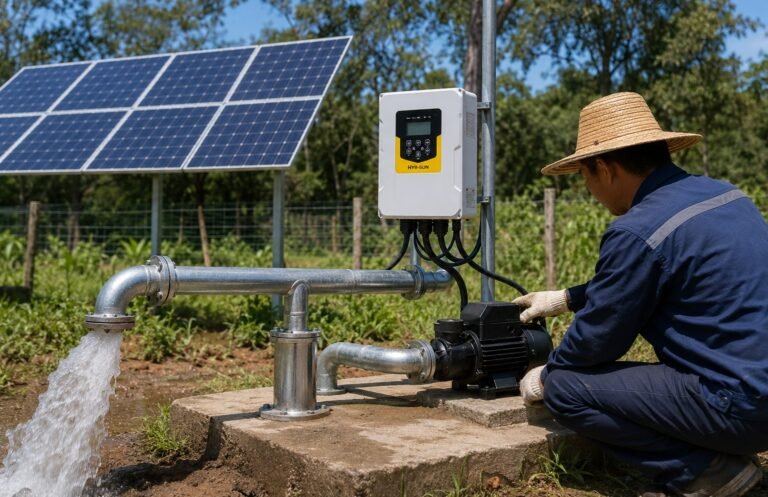
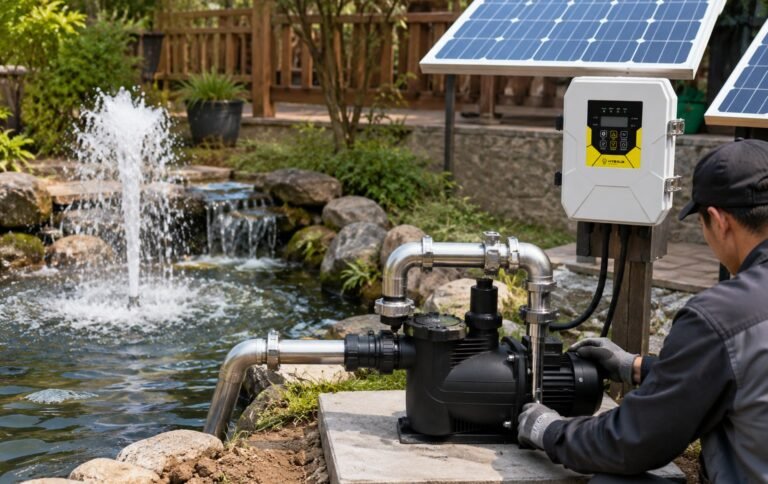
A solar drip irrigation system is an irrigation setup powered by solar energy. Solar panels produce electricity for a pump, and the pump moves water from a well, tank, pond, or other source to the plants.
The water then travels through main pipes, smaller lines, and drip emitters. These emitters release water slowly near each plant’s roots. Unlike sprinklers, the system does not spray large amounts of water into the air.
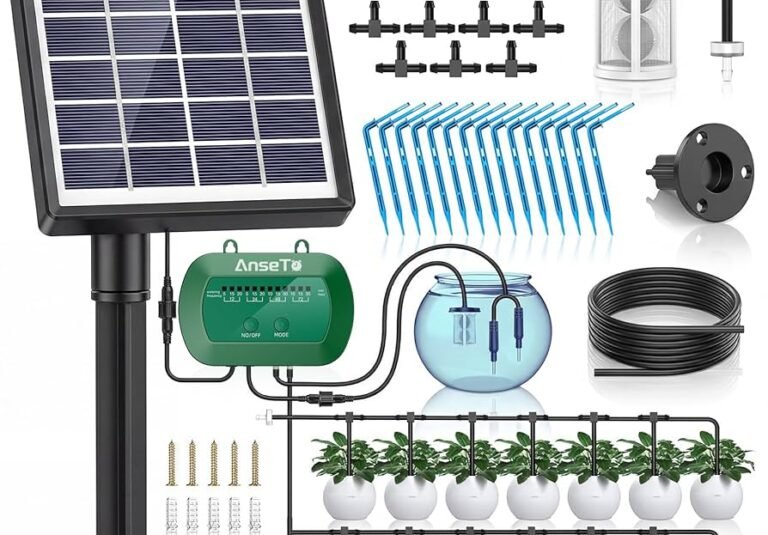
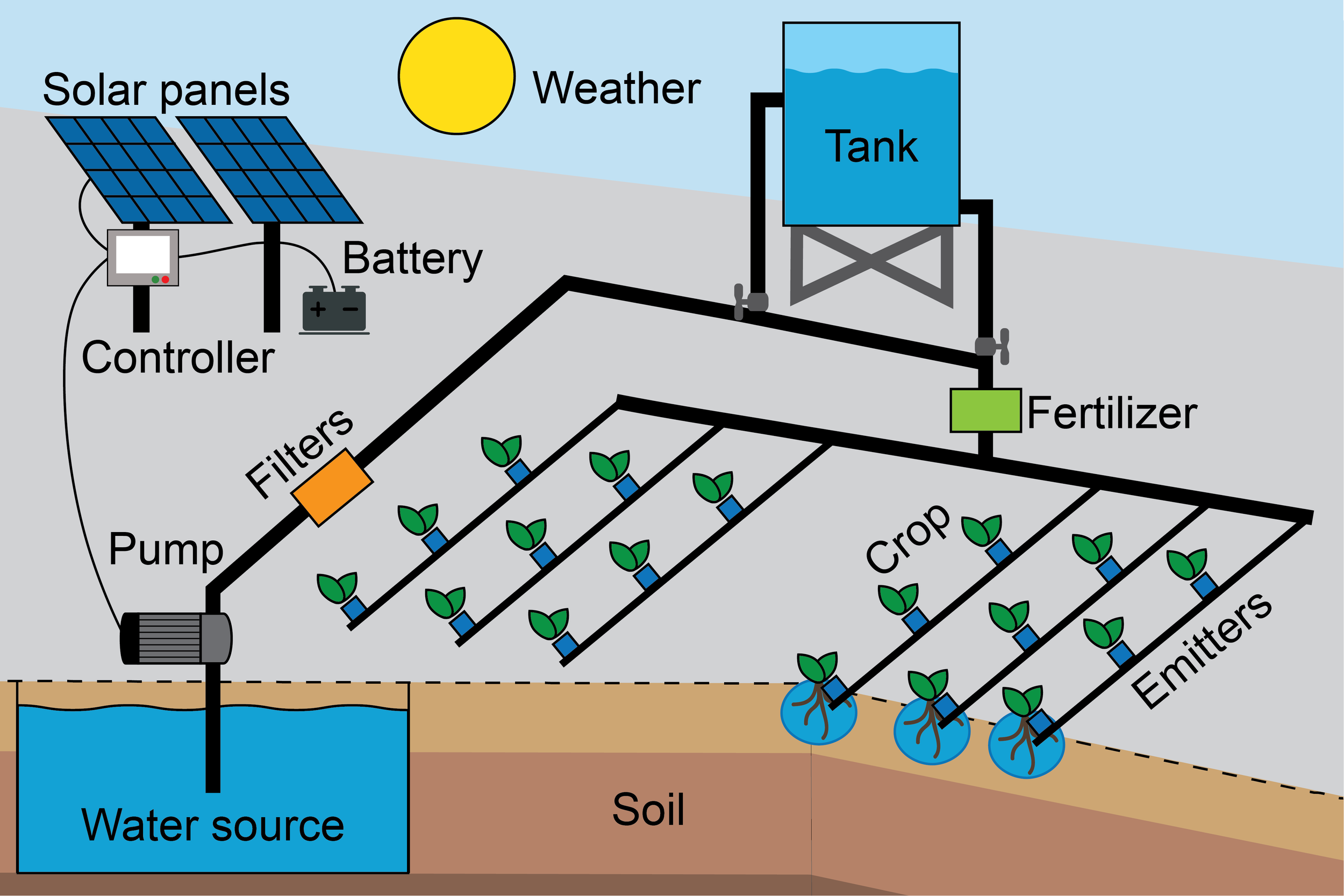
The main parts usually include:
• Solar panels that capture sunlight
• A solar water pump that moves water
• A controller that manages pump operation
• A water source, such as a tank, well, or pond
• A filter that removes sand and dirt
• Main and secondary irrigation pipes
• Drip lines or small tubes
• Emitters that release measured drops of water
• Valves, pressure regulators, and connectors
The simple idea is much like using a small solar-powered heart. The panels provide energy, the pump moves the water, and the drip lines carry it to the plants.
How Does a Solar Drip Irrigation System Work?
How does a solar drip irrigation system work from sunlight to plant roots? The process follows several clear steps.
1. Solar panels produce electricity
Solar panels absorb sunlight and convert it into direct current electricity. The amount of power depends on panel size, sunlight strength, weather, season, and panel angle.
Some systems send this power straight to a compatible solar pump. Others use a battery or inverter. A battery stores extra energy for use during cloudy periods or after sunset. An inverter changes direct current into alternating current when the pump requires it.
2. The pump draws water from a source
The pump pulls water from a storage tank, well, pond, rain barrel, or canal. A surface pump works well with shallow water sources. A submersible pump sits inside a well or tank and pushes water upward.
Pump choice matters. A pump must provide enough flow and pressure for the whole irrigation zone. A weak pump may leave plants dry. An oversized pump can waste energy and damage small drip lines.
3. A filter cleans the water
Water passes through a filter before entering the drip lines. This step is vital because tiny emitter openings can clog easily.
Common filter types include:
• Screen filters for larger particles
• Disc filters for fine particles
• Sand media filters for muddy or organic water
Clean water protects the system and keeps each plant’s water supply more even.
4. The controller and valves manage flow
A controller can start the pump when sunlight is available or follow a watering schedule. Valves divide the garden into zones. This lets you water young plants, trees, and vegetable beds for different lengths of time.
Some advanced systems use soil moisture sensors. These sensors tell the controller when the soil is dry. The system then waters only when needed.
5. Water moves through the pipes
Pressurized water leaves the pump and moves through the mainline. It then enters smaller branch lines and drip tubing.
A pressure regulator keeps water pressure within a safe range. Too much pressure can split tubing or force emitters to release water unevenly. Too little pressure may cause the far end of the line to receive less water.
6. Emitters release water near plant roots
Each emitter releases a small, steady amount of water. Many emitters provide about 0.5 to 2 gallons per hour, although rates vary by product.
The water soaks into the root zone instead of covering the whole soil surface. This helps reduce evaporation and keeps plant leaves dry. Dry leaves can also lower the risk of some fungal diseases.
7. The cycle stops or the tank refills
After the watering period ends, the controller stops the pump or closes a valve. In systems with a storage tank, the solar pump may fill the tank during the day. Gravity or a second pump can then feed the drip lines.
This design can make watering more reliable when clouds pass over the solar panels.

Main Solar Drip Irrigation System Designs
How does a solar drip irrigation system work in different layouts? The design depends on the water source, field size, sunlight, and watering schedule.
Direct solar pumping
A direct system runs the pump when the sun shines. It has fewer parts and does not need a battery.
This design is affordable and simple. However, it may stop or slow down during clouds. It works best when daytime watering is acceptable and the water source is close to the plants.
Solar pumping into a storage tank
In this setup, solar panels power a pump that fills a tank. Water later moves to the drip lines through gravity or a pressure pump.
The tank acts like a water bank. It stores water during sunny hours and allows irrigation when sunlight is weak. The tank must sit high enough to create useful pressure, or the system needs a booster pump.
Solar system with battery storage
A battery stores electricity from the solar panels. The pump can then run early in the morning, at night, or during cloudy weather.
Batteries add cost and need care. Heat, deep discharge, and poor wiring can shorten battery life. For many gardens, storing water is simpler and cheaper than storing electricity.
Hybrid solar and grid system
A hybrid system uses solar power as the main energy source and grid electricity as backup. This design can keep crops watered during long cloudy periods or equipment problems.
It costs more than a basic system but offers better reliability for valuable crops.

How the Watering Cycle Works in a Real Garden
Imagine a small vegetable garden with a 300-gallon storage tank. Solar panels power a pump that fills the tank during the day. A controller opens one irrigation zone in the early morning.
Water passes through a filter, pressure regulator, and drip lines. Each tomato plant receives water from one or two emitters near its stem. After 30 minutes, the valve closes and another zone opens.
The right watering time depends on soil type, weather, plant size, and emitter flow. Sandy soil drains fast, so it may need shorter and more frequent watering. Clay soil holds water longer, so it may need slower watering with more time between cycles.
A useful field practice is to check soil moisture several inches below the surface. The top layer can look dry while the root zone still has enough water. This simple check can prevent overwatering.

Benefits of Solar Drip Irrigation
How does a solar drip irrigation system work to improve water use? It delivers water close to plant roots and uses renewable energy to power the pump.
Key benefits include:
• Lower electricity use because sunlight powers the pump
• Better water efficiency than many flood or sprinkler systems
• Less evaporation because water stays near the soil
• Fewer weeds between plant rows
• Lower risk of wet foliage and some leaf diseases
• Useful operation in remote areas without grid power
• Flexible watering for gardens, orchards, and greenhouses
• Reduced fuel use compared with gasoline-powered pumps
• Easy automation with timers and moisture sensors
Drip irrigation does not eliminate water loss. Some water still evaporates, and poorly placed emitters may wet areas where no roots exist. Still, careful design can make the system highly efficient.
Agricultural engineers often compare irrigation performance with measures such as application efficiency and crop water use. The actual savings depend on the old irrigation method, climate, soil, maintenance, and system design.

Limitations and Common Problems
A solar drip irrigation system has clear benefits, but it is not maintenance-free. Knowing the limits helps you choose the right design.
Cloudy weather
Direct solar systems may deliver less water on cloudy days. A storage tank, battery, or backup power source can improve reliability.
Clogged emitters
Fine dirt, algae, mineral deposits, and insects can block emitters. A suitable filter and regular line flushing reduce this risk.
Uneven pressure
Long drip lines may receive less pressure at the far end. Use shorter zones, pressure-compensating emitters, or larger supply pipes when needed.
Pump sizing errors
A pump must overcome both vertical lift and pipe friction. A pump that only matches the water flow may still fail if it cannot create enough pressure.
Salt buildup
In dry areas, water can leave salts in the soil after evaporation. Periodic soil testing and careful leaching may be needed. Use local agricultural guidance before changing watering practices.
Animal and weather damage
Rodents, farm tools, sunlight, and freezing temperatures can damage tubing. Burying lines or protecting exposed sections can extend system life.
In practical system reviews, the most common mistake is not the solar panel. It is poor water filtration. A small filter may look adequate at first, but dirty water can cause repeated emitter failure within weeks.

How to Size a Solar Drip Irrigation System
Correct sizing begins with the crop’s water needs and the available water source. Do not start by buying the largest solar panel or pump.
Follow these steps:
-
Measure the garden or field area.
-
List the plants and estimate their peak water needs.
-
Check the water source depth and refill rate.
-
Measure the height the pump must lift the water.
-
Estimate pipe length and pressure loss.
-
Select the required flow rate in gallons per minute.
-
Choose a pump that meets both flow and total head requirements.
-
Match the solar panel wattage to the pump’s power needs.
-
Decide whether you need a tank, battery, or backup supply.
-
Divide large areas into separate watering zones.
Total dynamic head includes vertical lift, pipe friction, filters, valves, and the pressure needed by the emitters. A qualified irrigation designer can calculate this more accurately, especially for farms, wells, or sloped land.
For a small garden, a low-flow pump and modest solar panel may be enough. A large orchard may require multiple zones, a larger tank, stronger pipes, and a more advanced controller.

Installation and Maintenance Tips
How does a solar drip irrigation system work well for many years? It needs clean water, correct pressure, and regular checks.
Use these maintenance habits:
• Clean the solar panels when dust or bird droppings reduce sunlight
• Inspect wires and connections for damage
• Clean or replace filters on a regular schedule
• Flush drip lines at the end of each irrigation zone
• Check for leaks, cracked tubing, and loose connectors
• Test emitters for even flow
• Keep weeds and plants from shading the panels
• Protect pumps from dry running
• Drain exposed pipes before freezing weather
• Check soil moisture before increasing watering time
A simple catch test can reveal uneven flow. Place small cups under several emitters for the same period. Compare the water levels. Large differences may point to clogged emitters, poor pressure, or damaged tubing.
Avoid placing every plant on one long line. Several shorter zones often provide better pressure control and easier maintenance.

Solar Drip Irrigation vs. Other Irrigation Methods
How does a solar drip irrigation system work compared with sprinklers or flood irrigation? Its key difference is targeted delivery.
Sprinklers send water through the air. They can cover large areas, but wind and heat may increase water loss. They also wet plant leaves and may require more pressure.
Flood irrigation sends water across the soil surface. It can work well on level land with suitable soil, but it may waste water and create runoff if applied too quickly.
Hand watering gives you control, but it takes time and may not wet the root zone evenly. A solar drip system automates the task while using a low flow rate.
No method is perfect for every crop. Sprinklers may suit lawns and leafy crops. Flood irrigation may suit some field layouts. Drip irrigation often works well for rows, containers, orchards, vines, and water-limited areas.

Cost, Payback, and Environmental Factors
The cost of a solar drip irrigation system depends on its size and design. A small raised-bed system may use a compact panel, a small pump, and a simple timer. A farm system may need a well pump, storage tank, batteries, filters, controllers, and many zones.
Before buying equipment, compare:
• Equipment cost
• Battery replacement cost
• Pump maintenance
• Water savings
• Electricity or fuel savings
• Crop value and expected yield
• Local sunlight and seasonal water demand
Solar power reduces operating emissions compared with many fuel-powered pumps. However, panels, batteries, pumps, and plastic tubing still require materials and eventual disposal.
A life-cycle view gives a more honest result. The cleanest system is one that lasts, uses water carefully, and receives proper maintenance.
Frequently Asked Questions About How Does a Solar Drip Irrigation System Work?
How does a solar drip irrigation system work at night?
A direct system usually does not pump at night because it depends on sunlight. A tank or battery can provide water after sunset, depending on the system design.
Can a solar drip irrigation system run without a battery?
Yes, it can run without a battery when the pump operates during sunny hours. A storage tank can provide a practical alternative to battery storage.
How much water does a solar drip irrigation system use?
Water use depends on emitter flow, plant count, soil, climate, and watering time. For example, 20 emitters flowing at 1 gallon per hour for 30 minutes use about 10 gallons.
Does a solar drip irrigation system work on cloudy days?
It may work on cloudy days, but pump output can drop. A larger panel, water storage tank, battery, or backup power source can improve performance.
How often should drip irrigation lines be cleaned?
Check filters often during the first few weeks, then set a routine based on water quality. Flush the lines when flow drops, emitters clog, or sediment builds up.
What happens if the solar pump is too powerful?
Excessive pressure can damage tubing, open connections, or cause uneven emitter flow. A pressure regulator and properly sized pump help prevent these problems.
Is solar drip irrigation suitable for a small home garden?
Yes, it can work very well for raised beds, containers, vegetable rows, and small orchards. A simple system with a small tank may be easier to manage than a battery-based design.
Conclusion
A solar drip irrigation system turns sunlight into a steady water supply for plant roots. Solar panels power the pump, filters clean the water, pipes carry it across the growing area, and emitters release small amounts near each plant.
The best results come from proper pump sizing, clean filters, balanced pressure, smart watering schedules, and regular inspections. Start with a small zone, measure soil moisture, and expand only after the system performs well.
If you are planning a garden or farm system, compare water needs, sunlight, storage options, and long-term maintenance before buying equipment. Explore local irrigation guidance, test your design carefully, and share your experience or questions in the comments.